Side hustles are no longer optional or purely experimental—they have become essential tools for financial stability, particularly for women navigating uncertain economic times. What was once seen as “extra income” or a hobby is now a strategic way to diversify earnings, reduce dependency on a single paycheck, and build long-term security. In 2026, the cultural narrative around side hustles has shifted: having multiple income streams is less about ambition alone and more about resilience, empowerment, and financial independence.
This trend is driven by a combination of economic pressures and evolving work expectations. Inflation, rising living costs, and the instability of traditional employment have made financial diversification a practical necessity. Many women are turning to freelance work, small businesses, digital content creation, consulting, and other flexible opportunities to supplement their primary income. Side hustles now function as safety nets, providing a buffer against unexpected expenses, layoffs, or career transitions, while also offering a pathway to wealth accumulation and entrepreneurial growth.
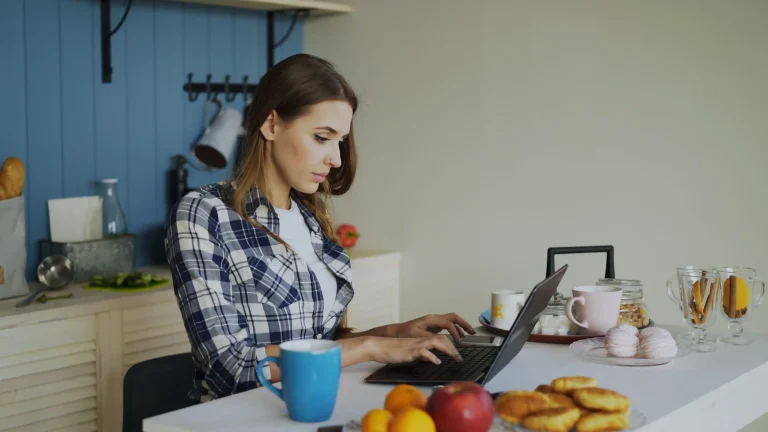
The rise of side hustles is also supported by technology and accessibility. Platforms that facilitate e-commerce, freelance marketplaces, and content monetization allow women to launch and scale secondary income streams with lower barriers to entry than ever before. Social media and digital marketing provide tools to reach audiences directly, creating opportunities for brand building, networking, and professional visibility. What once required significant capital or institutional support can now be pursued from a laptop or smartphone, making diversification achievable for a wider population.
Importantly, side hustles are no longer just about financial gain—they also provide personal fulfillment and skill development. Women report that secondary projects help them explore passions, strengthen professional skills, and gain confidence in areas beyond their primary careers. Over time, some side hustles even evolve into full-time businesses, creating opportunities for career reinvention or complete independence. This dual benefit—security and growth—underscores why side hustles have become a mainstream expectation rather than a niche pursuit.
The cultural shift around side hustles also reflects broader conversations about financial literacy and autonomy. Diversification is increasingly framed as a smart strategy, not a luxury, and women are embracing the mindset that multiple income streams equal stability, opportunity, and control. Peer communities, social media discussions, and online workshops further normalize the practice, turning side hustles into a shared, aspirational approach to economic empowerment.
Ultimately, side hustles in 2026 are more than “extra work.” They are strategic tools for resilience, independence, and long-term security. For women, building a second—or third—income stream is becoming a baseline expectation, combining financial prudence with creativity, skill development, and personal growth. In a world of economic uncertainty, diversification is no longer optional—it’s essential.