October has a different kind of energy. The excitement of January has long passed, summer is officially behind us, and the end of the year is suddenly close enough to feel real. For many women, this is the point when unfinished goals begin resurfacing. The business idea that seemed exciting in the spring is still sitting in a notebook. The social media account that was supposed to become a brand is still waiting for consistent content. The freelance service that could bring in extra income has never actually been offered. The digital product idea has been researched, renamed and redesigned approximately seventeen times, but never launched. October can be the month when that changes. Not because the calendar magically creates success, but because the final quarter of the year offers a useful opportunity to stop treating a side hustle like a someday project and start treating it like something worth testing seriously.
The modern side hustle has also changed significantly. It is no longer limited to picking up a few extra shifts, selling random items online or doing occasional freelance work. The creator economy has created an enormous range of possibilities for people to turn knowledge, personality, creativity and existing skills into businesses. Forbes reported in June 2026 that its Top Creators collectively generated $1.02 billion in earnings, crossing the billion-dollar mark for the first time on its annual list. More importantly, the creator economy is increasingly being defined not simply by followers, but by entrepreneurship, business ownership and the ability to build something beyond social media posts.
That distinction matters for women considering their own side hustles. You do not need to become an influencer to participate in the creator economy. You do not need millions of followers, a professional camera or a viral TikTok. You may already have something valuable enough to build around. Perhaps you know how to organize events, create beautiful graphics, style outfits, bake, teach, write, edit videos, manage social media, plan meals, coach others, photograph products, decorate homes, make jewelry or explain complicated subjects in a way people understand. A side business can begin with the skill you already use casually and turn it into an organized offer that solves a problem for someone else.
That is one of the biggest changes in the current digital business environment: expertise can become an asset even when the audience is relatively small. A niche community can be more valuable than a massive but disconnected following because the people within that community have a specific interest, problem or goal. Someone with 2,000 highly engaged followers interested in affordable fashion, for example, may have a clearer business opportunity than someone with 100,000 followers who are interested in everything and nothing in particular. The same applies to food creators, fitness educators, career coaches, beauty experts, parenting creators, photographers, writers and consultants. Specificity gives people a reason to remember you.
This is why October is a good time to look at the phrase “personal brand” differently. A personal brand does not have to mean turning your entire private life into content. It does not require sharing every morning routine, relationship update or family moment online. A personal brand can simply mean becoming known for something. If people associate your name with affordable travel planning, natural hair education, easy recipes, resume advice, home organization, photography or digital marketing, you have already begun creating a recognizable professional identity. Your brand is the intersection of what you know, what you enjoy and what people trust you to help them with.
The most successful side hustles often begin in that intersection. Instead of asking, “What business should I start?” a better question might be, “What do people already come to me for?” Maybe friends constantly ask you to help them choose outfits. Maybe coworkers ask you to fix their presentations. Maybe relatives want your recipe for the dish you always bring to gatherings. Maybe people compliment your ability to find affordable products. Maybe your social media posts about a specific topic consistently receive questions. Those patterns can reveal potential demand.
The next question is whether that demand can become an actual offer. This is where many aspiring entrepreneurs get stuck. They spend weeks choosing fonts, creating logos, planning websites and thinking about names before determining exactly what they are selling. October is the perfect month to reverse that order. Start with the problem. Then create the simplest useful solution. A woman who is good at organizing closets does not necessarily need a complete lifestyle brand to begin. She might offer a two-hour virtual closet consultation. A designer might start with three social-media templates. A knowledgeable professional might offer a one-hour consultation. A creator might develop a small digital guide. A teacher might create a workshop.
The objective is not to build the entire empire in October. It is to prove that someone is willing to pay for the first version of the idea.
That mindset can make entrepreneurship much less intimidating. A side hustle does not have to begin with a huge investment. Shopify’s 2026 side-business research notes that service businesses such as freelancing, consulting, tutoring and other skill-based services can have relatively low startup costs and can offer a direct path to a first customer. Its research also highlights the importance of starting with the intersection of an existing skill and a problem people are willing to pay to solve.
For women who already work full-time, this is especially important. A side hustle should not immediately become a second full-time job. There is a temptation online to believe that serious entrepreneurs should always be working: answering messages at midnight, posting every day, building multiple products and constantly chasing growth. That approach may create exhaustion before it creates revenue. A smarter side hustle begins with boundaries. Decide how many hours you realistically have. Decide which tasks actually generate value. Decide what you are willing to do yourself and what can wait.
Five focused hours can be more useful than twenty chaotic ones.
This is also where digital tools have changed the equation. A woman no longer needs to rent an office, hire a large team or print thousands of brochures to test a business concept. Social platforms can help creators discover audiences. Digital storefronts can make products available around the clock. Email newsletters can create direct communication with customers. Scheduling tools can simplify appointments. Design platforms can help create professional-looking materials. AI tools can accelerate certain administrative and creative tasks when used thoughtfully. The technology does not replace the business idea, but it lowers the friction between having an idea and testing it.
The challenge is that lower barriers also mean more competition. Everyone can start a social account. Everyone can create a digital product. Everyone can call themselves a coach, consultant or creator. That makes trust increasingly important. A strong side hustle cannot rely entirely on looking professional. It has to demonstrate usefulness. The audience needs to understand what you know, how you can help and why your perspective is worth listening to.
That is why niche communities are becoming so important. A community does not have to mean thousands of people gathered in one giant group. It can be a newsletter with 500 loyal readers, a private membership, a small group of customers, a podcast audience, a local network or a social following built around one highly specific interest. The creator economy is increasingly moving toward businesses that build direct relationships rather than depending exclusively on platform algorithms. Shopify has previously described this broader shift as creators taking a more platform-agnostic approach, building brands and communities on their own terms rather than relying on a single platform.
For women building side hustles, that means the goal should not simply be “get followers.” The better goal is to build recognition and trust. Followers can disappear when algorithms change. A strong reputation can travel with you. Someone who trusts your recommendations may eventually buy your product, book your service, join your membership, subscribe to your newsletter or recommend you to a friend. That relationship is the foundation of a sustainable business.
It also changes how content should be approached. Content does not necessarily need to sell something every time. Some content can educate. Some can entertain. Some can demonstrate expertise. Some can tell your story. Some can answer questions that your potential customers are already asking. Over time, that collection of content becomes evidence of what you know. It gives potential customers a reason to trust you before they ever make a purchase.
October is also an excellent month to audit the content you are already creating. If you have been posting for months, look at what consistently gets meaningful responses. Which topics generate questions? Which posts get saved? Which conversations continue after the initial post? Which subjects do people associate with you? You may already have a niche hiding inside your existing content.
The same principle applies to hobbies. Perhaps you have spent years making something simply because you enjoy it. Maybe you sew, paint, bake, photograph, decorate, write or create digital art. There is a growing cultural push to monetize every hobby, but that does not mean every hobby should become a business. Forbes recently highlighted an important counterpoint: turning a hobby into income can create opportunity, but it can also remove the freedom and enjoyment that made the hobby valuable in the first place. The decision should be based on whether monetization genuinely improves your life rather than simply adding another obligation.
That is an important part of taking your side hustle seriously. Serious does not mean monetizing everything.
It means making intentional decisions.
If you love baking but hate taking custom orders, perhaps selling baked goods is not your business. Maybe recipe development or a digital cookbook is a better fit. If you love fashion but do not want to become an influencer, perhaps personal styling or affiliate content could suit you better. If you love fitness but do not want to coach individual clients, maybe educational content or digital programs are more appropriate. If you are an excellent writer but dislike social media, a newsletter or freelance writing business might make more sense.
The point is to build around the way you actually work.
Another reason to take the side hustle seriously in October is that the fourth quarter can provide useful information. The holiday season creates natural opportunities for certain products and services. Gift guides, digital products, event services, photography, beauty services, food businesses, handmade products and consulting can all experience seasonal demand. But even if your business has nothing to do with the holidays, October gives you a clear three-month window to test your model before the year ends.
Imagine entering January with actual data instead of another vision board.
You could know which offer people bought, which content attracted customers, which price generated interest, which tasks consumed too much time and which parts of the business you actually enjoyed. You could enter the new year with evidence. That is much more valuable than entering January with another vague resolution to “finally start the business.”
Side hustles can also build skills that are valuable far beyond the side business itself. Forbes has noted that side hustles can strengthen skills such as communication, time management, leadership, problem-solving and independent decision-making. Even if a side business never becomes a full-time company, the experience of selling, negotiating, marketing, managing money and communicating with customers can change the way someone approaches their primary career.
That is why the side hustle conversation should not be reduced to money. Income matters, of course. A second revenue stream can help with savings, expenses, debt or financial goals. Shopify’s 2026 research cites Bankrate data showing that 27% of U.S. adults reported having a side hustle in 2025, with an average reported income of $885 per month, although the median was considerably lower. The numbers vary dramatically from person to person, so a side hustle should never be presented as guaranteed easy money. But the broader trend is clear: supplemental income has become a meaningful part of how many people think about work.
For women in particular, there can be something powerful about developing an income stream connected to an ability that belongs to them. A salary can provide stability, but building something independently can create another kind of confidence. You learn that you can identify a problem, create a solution, find customers and improve an offer based on real feedback. That experience changes the way you see your own capabilities.
It can also change how you think about your audience. Instead of seeing followers as numbers, you begin seeing them as people with needs, preferences and questions. That shift is fundamental to building a real business. The strongest personal brands do not simply broadcast at audiences. They listen to them. They notice what people ask for. They create products and services that respond to those needs. The business grows because the audience feels understood.
That is where the future of the creator economy is heading. The creator is becoming less like someone who simply produces content and more like a small media company, educator, product developer, community builder and entrepreneur. Forbes’ 2026 analysis of the creator economy describes a shift toward creators functioning as multi-platform media brands and building more durable businesses rather than relying solely on one-off deals. Another 2026 Forbes analysis points to newsletters, consulting, online communities, digital courses and educational products as examples of how professionals are turning expertise into businesses.
Women do not need to imitate the biggest creators to participate in that shift. In fact, the most interesting opportunities may exist in smaller niches. A highly specific audience can create a highly specific business. A woman who knows exactly who she wants to serve can build content, offers and community around that person. She does not need everyone. She needs the right people.
So what does taking your side hustle seriously actually look like this October?
It could mean choosing one offer instead of five. It could mean finally creating the landing page. It could mean telling your audience what you are available for. It could mean sending the first proposal, opening the first store, publishing the first newsletter, uploading the first digital product or asking the first potential customer for feedback. It could mean setting aside two evenings a week for the business instead of waiting for free time that never arrives.
It could also mean doing the less glamorous work. Tracking expenses. Understanding taxes. Creating terms and conditions. Setting boundaries with clients. Establishing prices. Keeping records. Learning how payments work. Separating business and personal finances where appropriate. Creating a simple system for customer communication. These tasks are not as exciting as designing a logo, but they are part of turning an idea into an actual business.
And perhaps most importantly, taking the side hustle seriously means allowing yourself to be a beginner.
The first version may not be perfect. The first price may be wrong. The first product may need improvement. The first month may generate very little revenue. The first social posts may reach almost nobody. None of those outcomes automatically means the idea failed. They are information.
October can therefore become less about “going viral” and more about going live.
Put the idea into the world.
Let people respond.
Listen carefully.
Improve it.
Try again.
The women building meaningful businesses today are not necessarily the ones with the loudest personal brands. Many are quietly developing specialized expertise, nurturing small communities and creating income streams that fit their lives. Some will eventually leave traditional employment. Others will keep their businesses intentionally small. Some will create six-figure companies. Others will simply earn enough to pay for a monthly bill, build savings or fund something important to them. Success does not have to look identical for everyone.
The point is ownership.
Ownership of your skills. Ownership of your ideas. Ownership of your audience relationships. Ownership of the work you create and the direction you want your career to take.
October gives you three months before the year closes. That is enough time to test an idea, make a first sale, build a small audience, learn a valuable skill or discover that the business you imagined is not actually the business you want. All of those outcomes are useful.
So if there is a side hustle sitting quietly in the background of your life, October might be the month to stop calling it “something I’m thinking about.”
Give it a name.
Give it a schedule.
Give it an offer.
Give it a chance.
Your side hustle does not have to become your entire life. It simply deserves to be treated like something that could become important.
Because sometimes the business you keep saying you will start next year is the business you could have started this month.
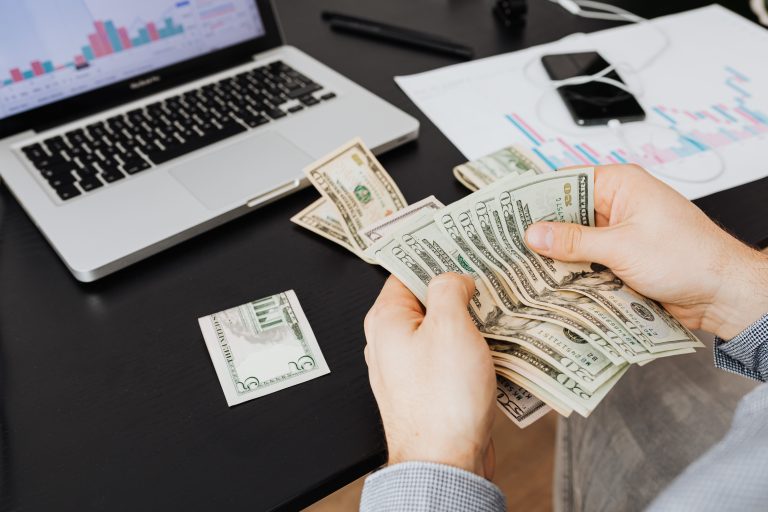
Caption: Your side hustle doesn’t need another someday. October is the month to make it real. 💻✨
References
Forbes — 2026 Top Creators Break $1 Billion in Collective Earnings
Forbes — 2026 Is the Year of Side Hustles
Forbes — The Creator Economy in 2026
Forbes — More Americans Are Designing Their Careers Around the Lives They Want
Shopify — 35 Side Business Ideas in 2026