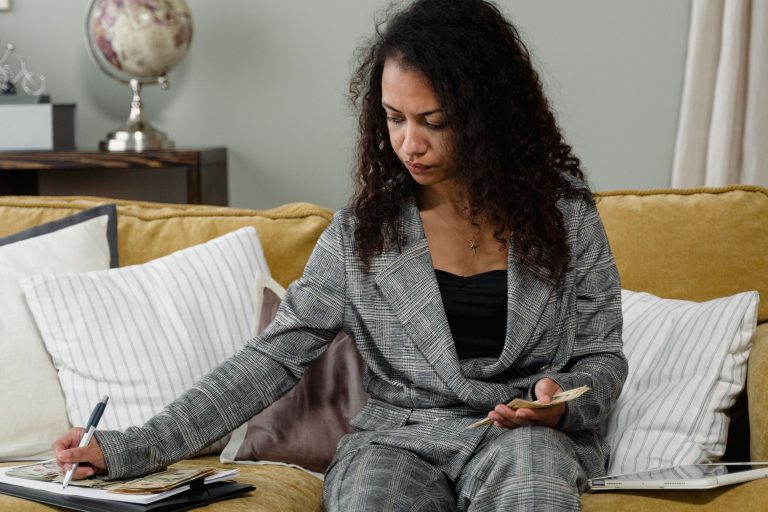
Financial independence for women is about much more than having a paycheck. It is about having choices, understanding your finances, developing valuable skills, and creating a level of financial security that gives you greater control over your future. Whether you are single, married, a mother, a business owner, a professional, or someone planning to return to work, having your own money and career can become an important part of building an independent and confident life.
For generations, women have taken on countless responsibilities within families and communities, yet financial decisions and economic opportunities have not always been equally accessible to them. Today, women’s economic empowerment continues to be an important global issue. The World Bank’s 2026 Women, Business and the Law report examines the laws and systems affecting women’s economic opportunities across 190 economies and finds that significant gaps remain between women and men in legal rights, supportive systems, and enforcement.
That is why conversations about women and money are so important.
Having your own income does not mean you do not value your partner or your family. Building a career does not mean choosing work over motherhood. Financial independence does not mean refusing support from other people. Instead, it means developing your own financial foundation so you can participate more confidently in decisions about your life.
For many women, that foundation starts with two things: having money of their own and developing skills that can create income.
What Does Financial Independence for Women Really Mean?
Financial independence for women does not necessarily mean becoming wealthy or reaching a point where you never need anyone else. It can be as simple as having your own source of income, maintaining personal savings, understanding household finances, and knowing that you have skills that can help you earn money.
Financial independence can look different for every woman.
For one woman, it might mean having a full-time career and building investments. For another, it might mean running a small business from home. Someone else may choose freelance work, remote employment, part-time work, or a flexible career that allows her to spend more time with her children.
The goal is not to create one definition of success.
The goal is to have choices.
When a woman understands her money and has the ability to earn, save, and plan, she is better positioned to make informed decisions about her future.
Why Women Should Have Their Own Money
One of the simplest reasons women should have their own money is that life can be unpredictable.
Unexpected expenses can appear at any time. A job can disappear. A family emergency can happen. A business can experience a difficult period. A relationship can change. A major purchase may suddenly become necessary.
Having personal savings or income does not eliminate these risks, but it can provide an additional layer of financial security.
Your own money can also provide everyday freedom. You may want to take a course, replace your computer, purchase something important for work, contribute to a family expense, start a small business, or pursue a personal goal.
Being able to make those decisions using money you have earned or saved can feel empowering.
This is one reason financial independence is not simply about wealth. It is about having resources that allow you to participate in your own decisions.
The World Bank reported in 2026 that more than 700 million women globally still lack access to a transaction account, while women in developing economies face a financial access gap compared with men. Access to savings, credit, insurance, and payment services can influence women’s ability to manage financial risks and invest in their futures.
Financial Independence Does Not Mean Financial Separation
There is sometimes a misconception that a woman who wants financial independence must want completely separate finances from her partner.
That is not necessarily true.
Couples can have joint accounts, shared expenses, individual accounts, or a combination of these arrangements. What matters is that both people understand their financial situation and have a voice in important decisions.
A woman can contribute to a household while still maintaining personal savings.
She can share financial responsibilities with her partner while continuing to build her own career.
She can depend on her partner for certain things while still developing skills and resources that allow her to earn.
Financial independence is not about rejecting partnership.
It is about making sure partnership does not require the complete loss of your financial identity.
Why Having a Career Matters for Women
A career provides more than income.
It can provide experience, knowledge, professional relationships, confidence, independence, and opportunities for personal growth.
Every project you complete, skill you learn, problem you solve, and challenge you overcome can become part of your professional experience.
A career can also help a woman discover what she is capable of.
Maybe she begins with an entry-level position and eventually becomes a manager. Maybe she starts freelancing and develops a successful business. Maybe she learns digital skills and finds remote work. Maybe she changes careers later in life and discovers an entirely new professional direction.
Career development does not always happen in a straight line.
There may be promotions, setbacks, career breaks, changes in industry, new opportunities, and unexpected turns.
That is normal.
What matters is continuing to build skills and experience whenever your circumstances allow.
Women and Career Independence
Career independence means having skills and experience that can help you create professional opportunities.
It does not mean you must work constantly.
It does not mean every woman should pursue a high-powered corporate career.
It means developing something that belongs to you professionally.
That could be a degree, certification, portfolio, professional skill, business, trade, creative ability, or specialized experience.
Your career becomes an asset because it can potentially create income and opportunities over many years.
This is especially important in a changing economy. The World Bank’s current work on women’s economic empowerment emphasizes the importance of access to jobs, digital tools, capital, skills, and supportive systems that allow women to participate more fully in the economy.
How a Career Can Build Women’s Confidence
Confidence is often built through experience rather than simply through positive thinking.
When you successfully complete something difficult, you learn that you are capable of handling challenges.
The first time you earn your own paycheck can feel meaningful. The first time you land a client can be exciting. The first time you negotiate a salary, finish a major project, launch a business, or learn a difficult skill can change how you see yourself.
These experiences can create professional confidence.
A career can also give women opportunities to meet different people, learn from mentors, develop communication skills, and discover strengths that may not have been obvious before.
This does not mean women who do not have traditional careers lack confidence or ambition. Caregiving, parenting, homemaking, volunteering, and other responsibilities require valuable skills too.
The point is that women should have opportunities to develop their abilities in ways that match their own goals and circumstances.
Financial Literacy for Women Is Just as Important as Earning Money
You can earn a good income and still struggle financially if you do not understand how money works.
That is why financial literacy for women is such an important part of financial independence.
Financial literacy means understanding basic concepts such as budgeting, saving, debt, interest, emergency funds, insurance, investing, retirement planning, and financial risk.
You do not have to become an expert overnight.
Start with the basics.
Know how much you earn. Understand your regular expenses. Track your spending. Know what debts you have. Build savings when possible. Learn how financial products work before using them.
The World Bank has also highlighted financial literacy and digital skills as important elements of women’s economic participation, particularly as more financial services and employment opportunities move online.
The more comfortable you become with money, the easier it becomes to participate in financial conversations and make informed decisions.
Having Your Own Money Creates More Choices
One of the biggest benefits of having your own money is choice.
Maybe you want to take a professional course.
Maybe you want to start a small business.
Maybe you want to upgrade your work equipment.
Maybe you want to travel.
Maybe you want to save for a home.
Maybe you want to build an emergency fund.
Maybe you simply want the peace of mind that comes from knowing you have savings available.
Money cannot solve every problem, but financial resources can create options.
That is why financial independence for women is closely connected to personal freedom.
Having choices does not mean making every decision alone. It means having a meaningful ability to participate in decisions that affect your life.
Why Women Need a Financial Safety Net
A financial safety net is one of the most practical reasons to build personal savings.
An emergency fund can help cover unexpected expenses without immediately turning to high-cost debt or depending completely on another person.
The exact amount a person needs will vary depending on income, expenses, family responsibilities, and financial circumstances. The important point is to begin building a reserve when possible.
Even a small amount can be a starting point.
Over time, savings can become a buffer between you and unexpected financial stress.
Financial security for women is not about expecting something to go wrong. It is about being prepared for the possibility that life may not always follow the plan.
Women Can Have Careers and Families
Female empowerment should not be presented as a competition between career and family.
Women can care deeply about their families and still want professional goals.
A woman can be a mother and a business owner.
She can be a wife and a professional.
She can work from home.
She can work part-time.
She can build a traditional career.
She can take a career break.
She can return to work after raising children.
She can decide that entrepreneurship is better suited to her lifestyle.
There is no single correct version of a successful woman.
The purpose of financial independence is to expand women’s choices, not replace one set of expectations with another.
Why Career Skills Matter Even During a Career Break
Many women step away from paid employment for parenting, caregiving, relocation, education, or personal reasons.
A career break does not erase the skills someone has already developed.
Organization, communication, planning, problem-solving, leadership, customer service, technology, budgeting, and time management can all remain valuable.
A career break can also become an opportunity to learn something new.
Online courses, freelance projects, certifications, volunteering, personal projects, and professional networking can help women maintain or rebuild career skills when their circumstances allow.
Returning to work may require adjustment, but a woman does not necessarily return to the workforce as the same person who left it.
She may return with new life experience, stronger organizational skills, clearer priorities, and a better understanding of what she wants.
How to Start Building Financial Independence
You do not need a six-figure salary to begin working toward financial independence.
Start with what you have.
The first step can be learning exactly where your money goes each month.
Create a simple budget. Identify essential expenses. Look at subscriptions and unnecessary spending. Set a small savings target. Learn about emergency funds. Understand your debts.
Then look at your income.
Are there skills you could develop that could increase your earning potential? Could you take a course? Build a portfolio? Apply for a new role? Start freelancing? Explore remote work? Turn an existing skill into a small business?
Career independence often begins with one skill.
That skill can become experience.
Experience can become income.
Income can become savings.
Savings can become greater financial security.
The process does not have to happen overnight.
Invest in Skills That Can Create Opportunities
One of the best investments a woman can make is developing skills that remain useful.
Digital literacy, communication, writing, sales, marketing, project management, design, accounting, technology, teaching, customer service, and leadership are examples of skills that can be valuable across different careers.
The best skill to learn depends on your goals.
If you want remote work, digital and communication skills may be useful.
If you want to start a business, sales, marketing, budgeting, and customer management may matter.
If you want career advancement, leadership and specialized technical skills may be important.
The goal is not to learn everything.
Choose skills that connect with the kind of work and life you want to build.
Financial Independence Is About Preparation, Not Fear
Some women avoid thinking about financial independence because they associate the topic with negative possibilities.
But building financial independence does not have to come from fear.
It can come from ambition.
You can save because you want to travel.
You can build a career because you enjoy learning.
You can start a business because you have an idea.
You can develop professional skills because you want more opportunities.
You can learn about investing because you want to understand your long-term finances.
You can build an emergency fund because you value peace of mind.
Financial independence can be a positive goal rather than a response to something going wrong.
Why Women’s Economic Empowerment Matters
Women’s financial independence is also part of a much larger conversation about economic empowerment.
The World Bank’s 2026 Women, Business and the Law report found that women worldwide still have only about two-thirds of the legal rights of men in the areas measured by the study, while only 4% of women live in economies close to full legal equality under its framework. The report covers 190 economies and examines areas affecting women’s economic participation, including employment, pay, assets, entrepreneurship, childcare, and workplace protections.
These broader challenges help explain why women’s access to money, careers, education, financial services, and economic opportunities remains important.
When women can participate in the economy, build businesses, earn income, access financial services, and develop skills, the benefits can extend beyond individual women to families, businesses, and communities. The World Bank describes women’s economic participation as an important contributor to broader economic growth and opportunity.
Your Money Is Part of Your Future
Your financial life is not just about what you can afford today.
It is also about the future you are building.
The money you save today may become an emergency fund later. The skill you learn today may lead to a better job next year. The professional relationship you build today may create an opportunity years from now.
Small decisions can compound over time.
That is why women should not wait until they have a perfect career or a large income before thinking about financial independence.
Start with what is possible now.
Learn.
Save.
Earn.
Grow.
Repeat.
Every Woman Deserves the Opportunity to Build Her Own Path
There is no single definition of success for women.
For one woman, success may mean becoming an executive. For another, it may mean running a small online business. Someone else may find fulfillment in teaching, freelancing, healthcare, creative work, entrepreneurship, or working from home.
Some women will prioritize family for certain periods of their lives. Others will prioritize their careers. Many will move between both.
The important thing is having the ability to make informed choices.
That is the heart of women’s financial independence.
It is not about proving that women do not need relationships, families, communities, or support.
It is about making sure women have the skills, resources, and confidence to participate in their own financial futures.
Final Thoughts: Build Your Own Financial Foundation
Having your own money and career is not about becoming completely independent from everyone around you. It is about developing a foundation that gives you more choices.
Financial independence for women can begin with something as simple as opening a personal savings account, learning how to budget, developing a new skill, applying for a better opportunity, or setting aside a small amount of money each month.
A career can give you experience. Skills can give you opportunities. Income can give you resources. Savings can give you a safety net. Financial knowledge can help you make better decisions.
Together, these pieces can create something powerful: greater financial confidence.
Every woman’s journey will look different, and there is no requirement to follow the same path.
But whether you are building a career, raising a family, running a business, working from home, returning to employment, or simply trying to become more confident with money, investing in yourself can be one of the most valuable things you do.
Your money is not just money.
Your career is not just a job.
They can become part of the foundation that allows you to build a future with more choices, more confidence, and greater financial security.