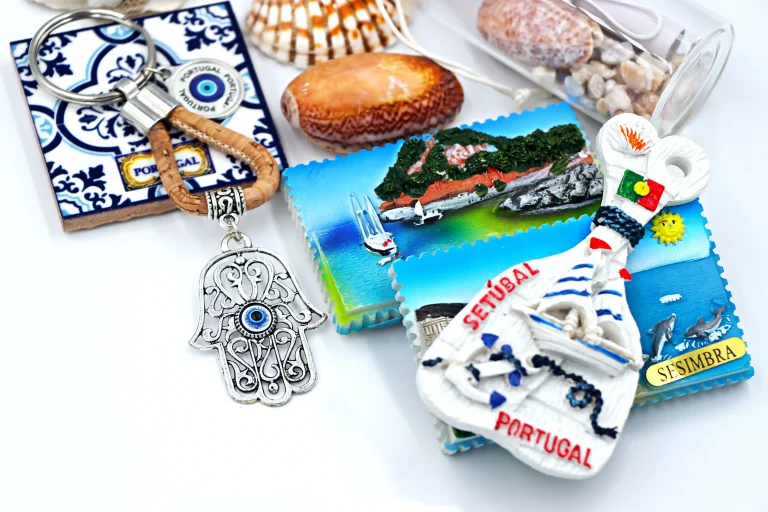
For many women, crafting starts as a creative hobby. It may be something you enjoy during your free time, a way to make gifts for family and friends, or simply an activity that helps you relax after a busy day. But what if that creative hobby could become a source of income? With the growth of online shopping, social media marketplaces, digital products, and personalized products, women can now turn creative skills into practical home-based businesses without needing to rent a physical store.
Starting a crafting business from home can be especially appealing for women who want more control over their schedules. A home-based business allows you to work around family responsibilities, choose how many orders you accept, and gradually build your business without immediately making a large investment. You also do not have to start with a huge product catalog. In many cases, beginning with a few products and learning what customers actually want can be a smarter approach.
From personalized 3D-printed products to children’s art kits and coloring books, there are several creative business ideas that can fit different interests and skill levels. If you have been looking for crafts to sell from home, here are three home businesses worth considering.
1. Start a 3D Printing Business
3D printing has opened up an interesting opportunity for creative entrepreneurs because it allows small businesses to create unique physical products without maintaining a large inventory. Instead of purchasing hundreds of ready-made products, a home-based seller can produce items as customers place orders.
A 3D printing business can focus on small, affordable products that are easy to package and ship. Keychains, clicker toys, desk accessories, organizers, name tags, decorative items, plant accessories, and personalized gifts are examples of products that can be created using a 3D printer. The possibilities can become even broader as you learn how to work with different designs and materials.
Personalization can be one of the strongest selling points of a 3D printing business. Customers often like products that feel unique to them. A simple keychain can become more appealing when it includes a person’s name, initials, favorite color, or a design connected to their interests. Personalized items can also work well as birthday gifts, party favors, school accessories, or small holiday presents.
Clicker toys and other small fidget-style products can also be interesting products to explore, although sellers should make sure that their products are designed and marketed appropriately for the intended age group. If products are specifically intended for children, safety considerations, material choices, labeling, and applicable regulations should be taken seriously.
One advantage of starting with small 3D-printed products is that they can be easier to store than larger handmade items. You can create several designs, photograph them for your online store, and produce items when orders come in. This approach can help reduce the amount of money tied up in inventory.
However, 3D printing is not completely hands-off. You need to learn how to operate the printer, troubleshoot failed prints, maintain the equipment, manage materials, and check every finished product for quality. You may also need to learn basic design software if you want to create original products rather than relying entirely on existing designs.
Another important consideration is intellectual property. Not every design available online can legally be printed and sold commercially. If you purchase or download a 3D model, check its license and make sure commercial selling is allowed. Creating your own original designs can also help your business develop a recognizable identity.
The key to making a 3D printing business work from home is not necessarily producing hundreds of different products. It can be more effective to find a specific niche. For example, you could focus on personalized keychains, desk accessories for office workers, cute plant-related products, school-themed items, or customized gifts. A focused product line can make your business easier to market and manage.
2. Create Kids’ Painting Materials and Art Kits
Parents are constantly looking for creative activities that can keep children entertained while helping them explore their imagination. This creates an opportunity for women who enjoy art, packaging, and creating children’s activities to build a home-based business around kids’ painting materials.
Instead of simply selling individual art supplies, you can create complete painting kits that give children everything they need for a particular activity. A basic kit could include paper, paint, brushes, a palette, and simple instructions. More specialized kits could have a theme, such as animals, outer space, dinosaurs, underwater creatures, holidays, nature, or seasonal activities.
DIY children’s art kits can be especially attractive because parents do not have to spend time figuring out which materials to purchase separately. A thoughtfully prepared kit turns several individual supplies into one convenient activity.
You could also create different levels of kits depending on the child’s age or skill level. Younger children might benefit from simple painting activities with larger brushes and easy-to-follow designs, while older children could receive more detailed projects that encourage them to experiment with colors and techniques.
Another possibility is creating seasonal painting boxes. A Halloween-themed kit could include pumpkin painting activities, while a Christmas kit could feature ornaments or holiday artwork. During summer, you could create an outdoor painting activity box. Seasonal products can give customers a reason to return to your shop throughout the year.
Packaging can make a significant difference in this type of business. Parents are often attracted to products that look organized, fun, and convenient. A well-designed package, clear instructions, attractive labels, and carefully selected materials can make a simple collection of art supplies feel like a complete experience.
You can also use social media to demonstrate how the kits work. Short videos showing the contents of a painting box, the setup process, or the finished artwork can help potential customers understand what they are purchasing. You do not necessarily need expensive equipment to create this content. A smartphone, good lighting, and a clean background can be enough to produce useful product videos.
Safety is particularly important when creating products for children. Materials should be selected carefully, and product descriptions should clearly communicate appropriate age recommendations and any relevant warnings. If you sell children’s art materials, you should also research the safety and labeling requirements that apply in your country and to the markets where you plan to sell.
The business can also grow beyond physical painting kits. Once you have developed original artwork and activities, you could create downloadable painting templates, printable activity sheets, or digital art packs. This creates an opportunity to offer both physical and digital products under the same brand.
3. Build a Coloring Book and Printable Business
If you enjoy drawing, designing, writing simple activities, or creating digital artwork, a coloring book business can be another flexible home-based business idea. Unlike many physical crafts, coloring books can be created digitally and offered in several formats.
You could create children’s coloring books, educational activity books, seasonal coloring pages, holiday activity books, adult coloring books, or themed printable collections. The possibilities are broad, which means you can experiment with different audiences and discover which types of products attract the most interest.
One of the biggest advantages of digital coloring products is that they do not always require physical inventory. A customer can purchase a printable coloring book or activity pack and receive the files digitally. This eliminates many of the costs associated with storing, packaging, and shipping physical products.
However, physical coloring books can also be part of the business. You can work with a local printing company or print selected products yourself, depending on your equipment and budget. Offering both digital and physical versions can allow you to reach customers with different preferences.
For example, a mother might prefer purchasing a printable coloring pack that she can immediately download and print at home. Another customer might prefer receiving a professionally printed coloring book as a gift. Having both options can create additional opportunities without requiring you to completely change your content.
Niche selection is important when creating coloring books. Instead of producing generic coloring pages, consider developing a clear theme. You could create coloring books about animals, nature, transportation, space, holidays, positive affirmations, simple educational concepts, or specific hobbies.
Seasonal content can also provide opportunities throughout the year. Halloween coloring books, Christmas activity books, Valentine’s Day printables, summer activity packs, and back-to-school worksheets can all be developed around specific periods when customers are actively searching for activities.
A coloring book business also gives you the opportunity to build a recognizable brand. If customers enjoy one of your books, they may become interested in your other collections. Consistent illustration styles, covers, themes, and product quality can help make your products easier to recognize.
As with 3D printing, copyright and intellectual property are important. If you use graphics, fonts, illustrations, or other design elements created by someone else, make sure you have the appropriate commercial rights. Creating original artwork or using properly licensed resources can help protect your business and prevent problems later.
How to Choose the Right Craft Business for You
The best crafting business for women is not necessarily the one that appears most profitable on paper. It is the one that fits your skills, available time, budget, and interests.
If you enjoy technology and making physical products, 3D printing could be a good direction. If you love working with children and enjoy organizing creative activities, kids’ painting kits may be more suitable. If you prefer digital design and want a business that can be managed without maintaining a large physical inventory, coloring books and printable products may be the better option.
Your available space should also influence your decision. A 3D printer requires equipment and materials, while physical painting kits require storage space for supplies and packaging. A digital coloring business can potentially be operated with a computer and design software, making it one of the simpler options for someone working with limited space.
Your budget matters too. You do not have to build a complete business on the first day. Start small, test a few products, collect customer feedback, and reinvest some of your earnings into the business.
How to Start a Craft Business From Home
Once you have chosen an idea, begin by identifying a specific customer. Instead of trying to sell to everyone, think about who would benefit most from your products. Your customers could be parents, teachers, gift buyers, hobbyists, office workers, or people looking for personalized products.
Next, create a small collection of products. Three to five strong products can be enough for a starting catalog. Photograph them clearly and write product descriptions that explain exactly what customers will receive.
Social media can then become an important part of your marketing strategy. You can share behind-the-scenes videos, product demonstrations, packaging videos, finished projects, customer creations, and new product announcements. Showing the process behind a handmade product can make the business feel more personal and authentic.
You can also sell through online marketplaces or your own website, depending on your target customers and location. Before choosing a platform, consider its fees, payment options, shipping requirements, audience, and seller policies.
Most importantly, keep track of your costs. Materials, packaging, equipment, printing, marketplace fees, shipping, advertising, and your time all contribute to the real cost of a product. Knowing these numbers will help you set prices that are sustainable rather than simply competing on the lowest price.
Turning Creativity Into Your Own Income
Starting a home-based craft business does not mean you need to quit your current job or immediately turn your hobby into a full-time company. For many women, it can begin as a small side business that grows gradually.
The biggest advantage is flexibility. You can decide how many products to make, when to work, which orders to accept, and how quickly you want the business to grow. You can also experiment with different products until you discover what customers respond to.
Whether you choose 3D-printed keychains and clicker toys, children’s painting kits, or printable and physical coloring books, the goal is the same: turn something you enjoy creating into something people are willing to pay for.
A successful craft business is not built only on creativity. It also requires consistency, good product quality, smart pricing, customer service, and the willingness to learn. But you do not need everything figured out before you begin.
Sometimes the first step is simply choosing one idea, creating your first few products, and seeing where it takes you. With patience and a little business planning, crafting can become more than a hobby. It can become a flexible home-based income stream that gives women the opportunity to earn on their own terms.