Digital life has grown exhausting. Constant notifications, endless feeds, and back-to-back virtual meetings are leaving people burned out, overstimulated, and chronically distracted. In response, a growing movement in 2026 focuses on intentionally redesigning daily routines around screen fatigue. Offline time is no longer an occasional indulgence—it’s becoming a strategic, necessary part of a balanced lifestyle. People are learning that attention, focus, and mental well-being are finite resources, and managing screen exposure has emerged as a core life skill.
At the heart of this trend is awareness. Many realize they are spending far more hours in front of screens than they think, often without deriving meaningful value. Social media scrolling, video calls, email chains, and entertainment streaming all compete for attention while offering only fragmented satisfaction. Over time, this constant digital immersion contributes to fatigue, anxiety, sleep disruption, and a sense of living in a perpetual state of alert. Recognizing the problem is the first step in redesigning routines to protect energy and mental clarity.
People are experimenting with boundaries, and these often begin with time. Setting clear offline windows—morning rituals before checking the phone, evenings without notifications, and device-free meals—creates space for recovery. Even brief periods of disconnection, if repeated consistently, can dramatically reduce stress and improve focus. The principle is simple: when the brain gets a break from screens, it can reset, process experiences, and restore attention, which in turn supports productivity, creativity, and emotional regulation.
Offline time is also becoming purpose-driven. Instead of simply “unplugging,” people are filling screen-free periods with activities that offer real-life engagement: journaling, cooking, walking, socializing in person, or reading. These routines are designed to replace passive digital consumption with active, restorative practices. The goal isn’t rejection of technology—it’s choosing when and how it serves life rather than controls it.
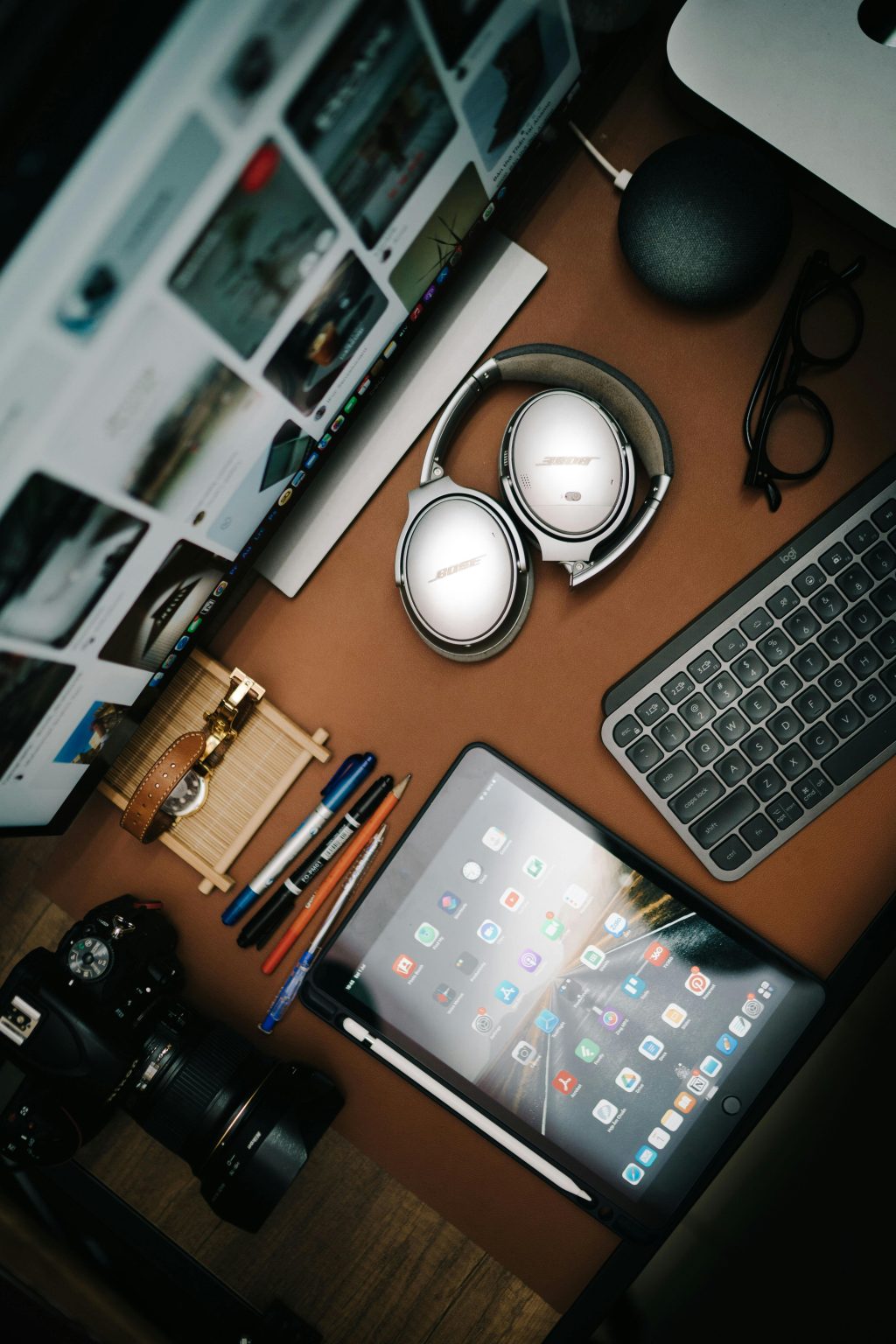
Workspace design is another aspect of this shift. Many are structuring home offices or personal spaces to minimize digital fatigue. Monitors are angled thoughtfully, notifications are muted, and areas dedicated to offline activities are intentionally separate from work zones. By physically separating digital and analog spaces, people reinforce psychological boundaries, making it easier to step away from screens without guilt.
This movement also reflects broader cultural changes around productivity and self-care. For decades, constant connectivity was equated with efficiency and relevance. The current mindset reframes that equation: rest, intentional focus, and offline recovery are now considered productivity tools. People are learning that working smarter includes managing digital exposure, not just maximizing hours online.
Technology itself is adapting to this demand. Features like “focus modes,” scheduled downtime, app timers, and notification filters are becoming mainstream, helping users reclaim attention without completely abandoning digital tools. However, the emphasis remains on conscious choice rather than reliance on automated solutions: intentional design of daily habits is what sustains the benefits.
The social implications are notable as well. Offline routines encourage deeper engagement with real-world relationships and environments. People report feeling more present with friends and family, noticing their surroundings, and experiencing life in a less mediated way. In an era dominated by digital noise, intentional offline habits become a form of mental clarity and cultural literacy—helping individuals participate meaningfully in both online and offline worlds.
Ultimately, redesigning life around screen fatigue is about empowerment. It’s a recognition that attention is valuable and finite, and that digital tools should serve life rather than dominate it. Offline time is not an escape; it’s a strategy. By structuring routines with deliberate screen breaks, people reclaim focus, restore energy, and build a life that is richer, calmer, and more sustainable in a hyperconnected world. In 2026, the most intentional lifestyle may be the one that leaves room for the world beyond the screen.