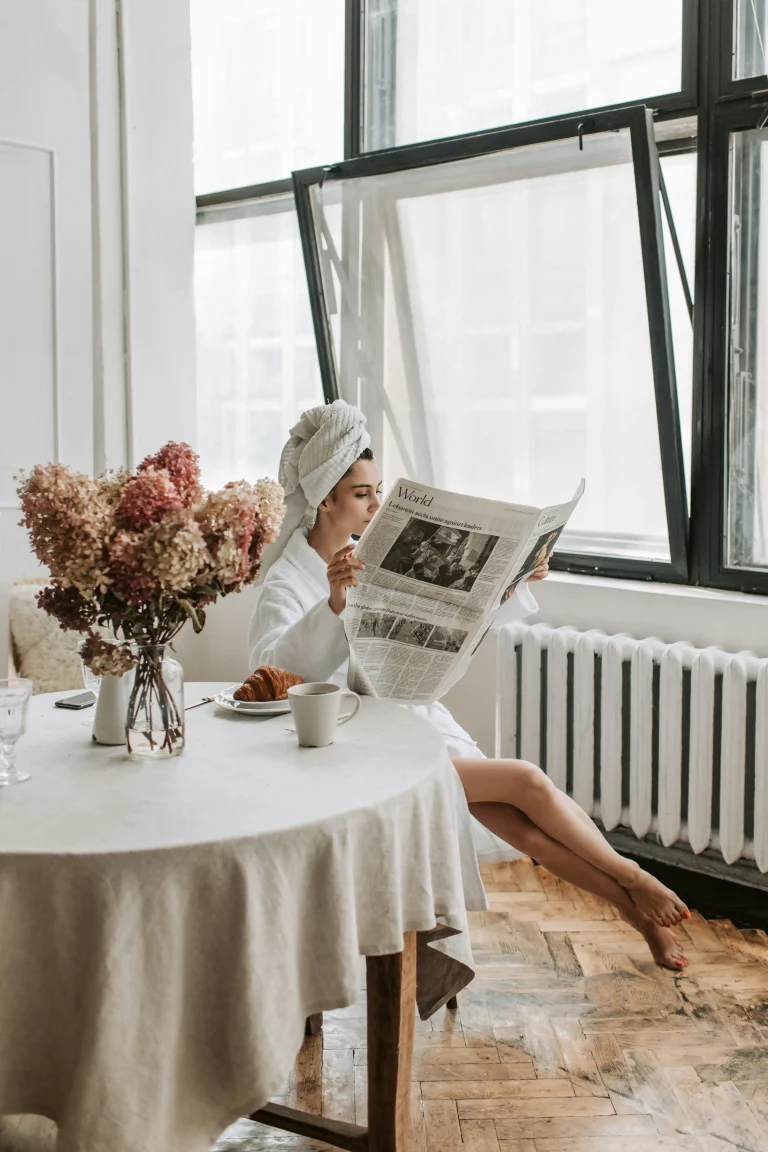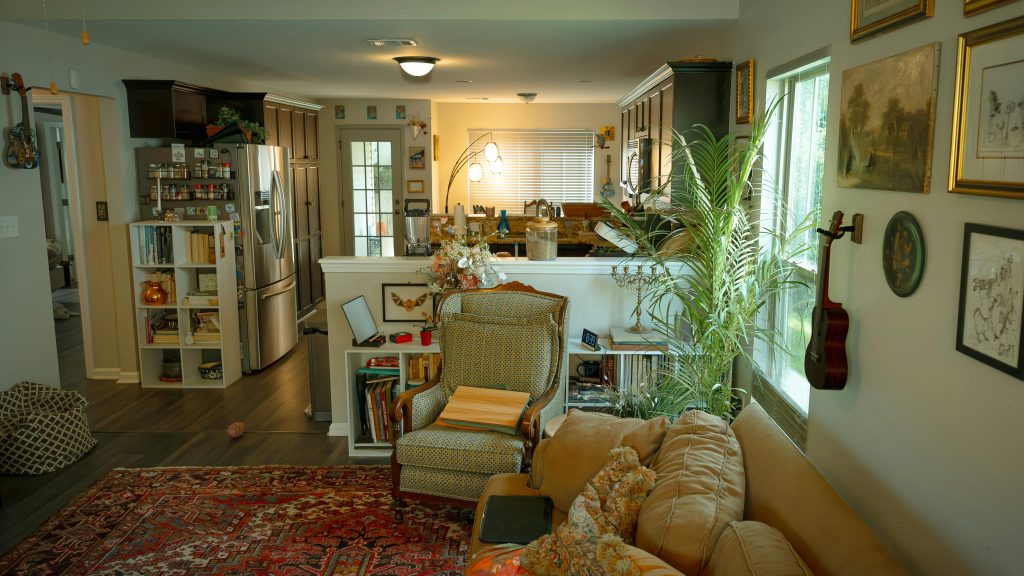
Modern homes are undergoing a quiet revolution. As digital overload and constant stimuli become the norm, people are increasingly designing their living spaces around calm, restorative principles. The latest trend, dubbed “anti-stimulation,” emphasizes less noise, fewer screens, and calmer aesthetics—creating environments that support mental clarity and emotional balance. Homes are no longer just functional spaces; they are sanctuaries for the mind, carefully curated to reduce stress and promote well-being.
This shift is a response to the cognitive and emotional toll of modern life. Continuous notifications, streaming devices, and ever-present social media create a constant state of alertness that the brain struggles to process. Experts in neuroscience and wellness highlight that environments rich in stimuli can exacerbate anxiety, disrupt sleep, and reduce focus. By contrast, spaces designed with intentional simplicity—neutral color palettes, soft lighting, minimal clutter—allow the nervous system to relax and recover. Even small changes, such as limiting screens in bedrooms or creating quiet corners for reflection, can have measurable effects on mood and cognitive function.
The anti-stimulation approach also influences home design and décor. Furniture and layouts prioritize comfort and flow rather than excessive ornamentation. Textures and materials are chosen for their soothing qualities, while colors are muted to reduce visual noise. Nature elements—plants, natural light, and outdoor views—are incorporated to support mental restoration. Even in urban apartments, designers are experimenting with soundproofing, low-tech zones, and spaces dedicated solely to mindfulness or reading.
Beyond aesthetics, this trend intersects with lifestyle choices. Families are setting boundaries around device use, scheduling tech-free times, and cultivating rituals that signal downtime, such as morning coffee without screens or evening wind-down routines. By intentionally reducing sensory input, residents can regain focus, foster creativity, and improve overall resilience against daily stressors.
Ultimately, anti-stimulation spaces reflect a broader cultural recognition that mental health and home design are deeply interconnected. In an era where attention is a scarce resource, creating an environment that actively supports calm and clarity is no longer optional—it’s essential. Homes that reduce noise, limit screens, and embrace gentle, restorative aesthetics don’t just look good; they nurture the brain, giving people the space to recharge, reflect, and thrive.