At the Coachella Valley Music and Arts Festival, the real content shift doesn’t happen on stage—it happens after day one. Once the initial excitement wears off, a different kind of trend takes over feeds: survival. Not in a dramatic sense, but in a practical, highly shareable way that reflects how demanding multi-day festivals have become.
By the second day, the tone of content changes. Early posts focus on outfits, arrivals, and standout moments. Then reality sets in—heat, fatigue, long walks, overstimulation, and inconsistent routines. That’s when “festival survival” content spikes. People start sharing what actually helps them get through the experience, not just what looks good online.
Hydration becomes a central theme almost immediately. Water, electrolytes, and cooling strategies show up across posts because the physical strain is impossible to ignore. Alongside that, food choices shift toward quick, functional options that restore energy rather than slow things down. The focus is less on indulgence and more on maintaining baseline energy.
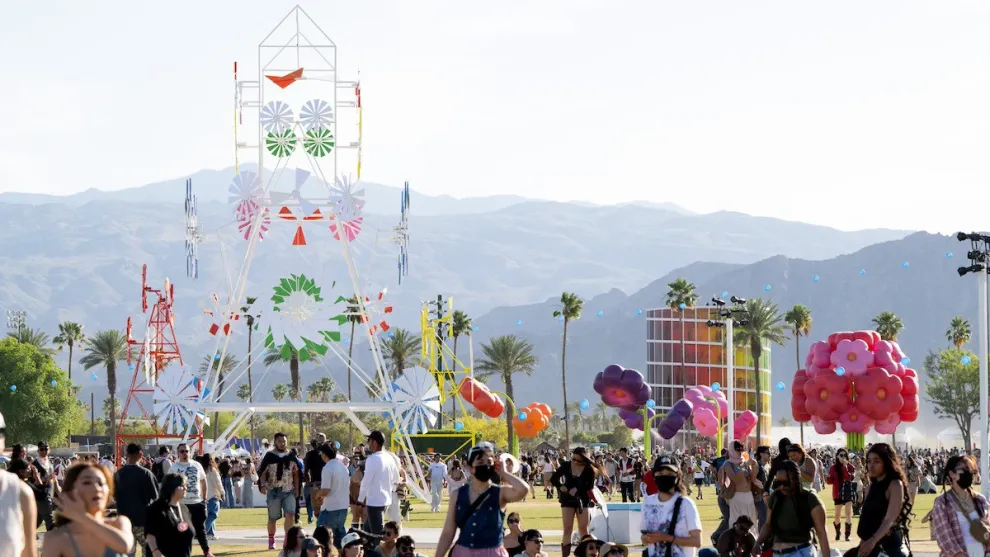
Comfort also becomes visible in a way it wasn’t on day one. Footwear swaps, outfit adjustments, and layering choices start to reflect endurance rather than aesthetics. The polished “arrival look” gives way to something more practical—still styled, but adapted to survive hours of movement and heat.
Another major element is pacing. Survival content often centers on how people manage their time and energy: choosing which sets to attend, when to rest, when to leave early, and when to step away from the crowd entirely. The idea of doing everything fades quickly, replaced by selective participation that prioritizes sustainability over maximizing every moment.
What makes this content resonate is relatability. Unlike highlight reels, survival tips feel immediately useful. They acknowledge the gap between expectation and reality and offer ways to close it. In a space where everything is usually optimized for visual impact, this kind of honesty stands out.
Social media plays a key role in amplifying these behaviors. As more people share their adjustments and coping strategies, they normalize the idea that festivals require planning beyond aesthetics. Survival becomes part of the experience, not something separate from it.
Ultimately, the spike in survival content reflects a broader shift in festival culture. Coachella is still about music, fashion, and moments—but it’s also about endurance. And in 2026, knowing how to navigate the experience matters just as much as being there in the first place.