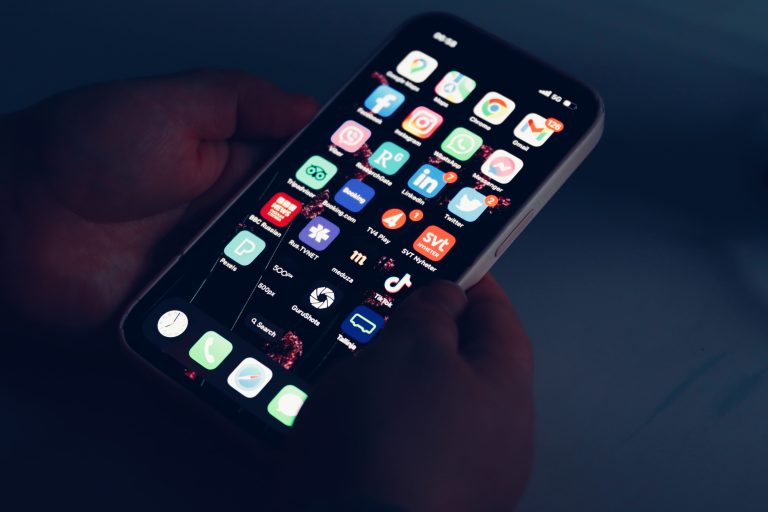
If your perfectly curated feed is starting to feel less like a window into a dream life and more like a high-pressure corporate meeting, you’re not alone. The defining current event of 2025 isn’t happening on a factory floor or in a boardroom; it’s happening inside our heads and in our wallets. We are witnessing a massive Vibe Shift—a conscious, collective rejection of the old, toxic paradigms of work, money, and wellness.
For years, we were sold the dream of the #GirlBoss and the relentless hustle culture—the idea that if you grind hard enough, sleep little enough, and monetize every hobby, you’ll “have it all.” But what we actually got was exhaustion, disappointment, and burnout.
Now, we’re pushing back. The most powerful current movements are centered on well-being over wealth, authenticity over amplification, and quality over quantity. This isn’t just about trends; it’s an economic, cultural, and mental health revolution.
Ready to unpack the current events that are forcing us to choose peace over productivity? Let’s dive into the three major shifts defining our world right now.
1. The Creator Economy’s Identity Crisis: Trading Followers for Financial Freedom
For Gen Z and Millennials, content creation transitioned from a hobby to a viable career, fueled by the promise of platform ad revenue and endless brand deals. However, that promise has cracked, and the current reality of the Creator Economy is forcing a massive shift in strategy.
The Payout Problem
The glittery façade of earning a living through content is fading, largely due to disappointing platform monetization. Major social media platforms have made substantial changes to how they compensate creators, often resulting in payments as low as 1-2 cents for every 1,000 views, according to data on creator economy trends for 2026. Relying solely on ad-based revenue is now virtually impossible for most.
This financial squeeze is further compounded by an oversupply of creators, intensifying competition for brand dollars and pushing influencer fees lower. This is forcing creators to adapt their pricing and offerings to stay competitive in an ever-growing, yet increasingly saturated, market (Source: What’s next for the creator economy: Trends every brand should know | Articles).
The Rise of UGC and the Pivot to Community Ownership
In response to volatile platform payouts, smart creators are initiating a major pivot, moving away from short-term brand deals and toward owning their audience:
- UGC is the New Black: User-Generated Content (UGC), characterized by being unpolished, unscripted, and authentic, is now the star of influencer marketing. It strips away the corporate gloss and resonates deeply with consumers who crave connection, not perfection. While this is great for authenticity, it means creators often have to charge less for UGC than for traditional, high-production sponsored posts (Source: Creator economy vs influencer marketing: Why smart brands are making the switch in 2025).
- The Power of the Niche: Brands are increasingly moving away from massive, celebrity-style influencers who offer broad reach. Instead, they are prioritizing micro- and niche-creators who drive better engagement, brand lift, and sentiment within specific communities. This is putting a financial squeeze on mid-tier lifestyle creators, forcing a difficult choice between adapting or scaling back (Source: Influencer marketing survival playbook: How the creator economy is shaping up in the back half of 2025 – Digiday).
- Building Your Own Platform: The key to long-term stability is building a business that doesn’t live and die by the algorithm. Creators are diversifying their income streams beyond the platforms themselves. This means monetizing content through:
- Memberships and Subscriptions
- Digital Products (templates, e-books, courses)
- Affiliate Marketing (which works best with the deep trust micro-creators generate)
The new current event in the creator economy is realizing that the value is in the community and the relationship, not just the follower count. As this segment matures, the emphasis is shifting from short-term virality to a long-term survival strategy built on authentic connection (Source: Top 10 Creator Economy Trends for 2026 – Uscreen).
2. The Quiet Revolution: Rejecting the Grind for Soft Life and Quiet Luxury
The single most defining social current event is the complete breakdown of “hustle culture.” We’ve seen the promised outcome of overwork—exhausted Millennials who are underpaid and priced out of housing—and Gen Z has collectively said, “No, thanks.”
The Soft Life Movement: Boundaries Over Boss Moves
The soft life trend, which originated in the Nigerian influencer community, is a lifestyle revolution centered around ease and well-being rather than relentless productivity (Source: Is Hustle Culture Becoming Obsolete? Understanding the “Soft Life”… – Women of Influence).
The core of this movement is a conscious re-evaluation of what success means:
- Mental Health Priority: Increasing awareness of burnout and mental health issues has highlighted the physical and emotional dangers of overwork. Gen Z is leading the charge, with 64% saying they care more about mental well-being than financial growth, and 58% willing to take lower pay for a better work-life balance (Source: Gen Z Is Ditching Hustle Culture: Inside the Rise of the Soft Life Trend on TikTok – Medium).
- The Lazy Girl Job: This TikTok-popularized term highlights a new work philosophy: prioritizing high-paying, low-stress, remote roles that maximize flexibility and mental space. The goal is not laziness, but reclaiming time and energy from capitalist expectations.
- The Rejection of “Having It All”: As The Guardian noted, the soft life is a logical reaction to a macro-level system that demands too much and often suppresses the wages of vulnerable populations. It’s a complete pivot from the previous generation’s pressure to “lean in” and push until you “have it all” (Source: The soft life: why millennials are quitting the rat race | Women | The Guardian).
This shift is not about rejecting ambition, but about finding a rhythm that doesn’t drain you—a rhythm that balances focus and flow, ambition and ease (Source: 437: The Soft Life vs. The Hustle Culture).
Quiet Luxury: The Soft Life Aesthetic
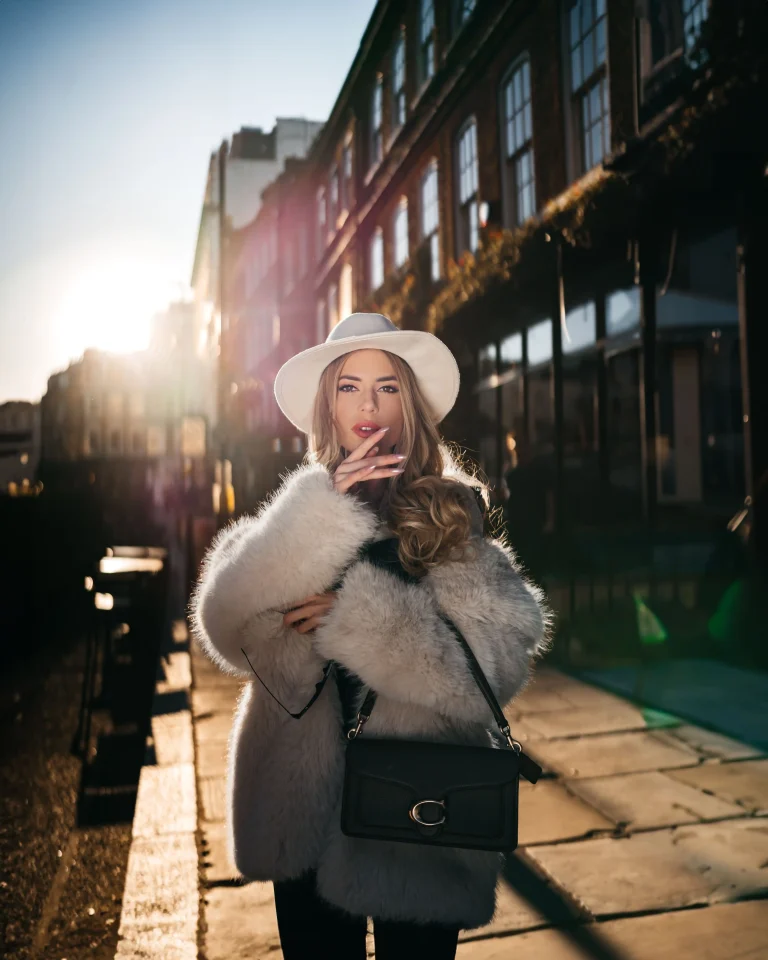
This revolution in how we work is perfectly mirrored in how we shop, leading to the cultural moment of Quiet Luxury. This trend is the fashion world’s version of soft living: rejecting the flashy, logo-heavy aesthetics of conspicuous consumption in favor of impeccable design, timeless quality, and understated elegance (Source: The Rise of Quiet Luxury: Why “Less is More” is the New Fashion Mantra – The WALK Mag).
The appeal lies in:
- Mindful Consumerism: It’s about “buying better, not more.” By focusing on high-quality basics—a buttery cashmere sweater, perfectly tailored trousers—consumers are intentionally investing in pieces designed to last a lifetime, aligning with a broader cultural push for sustainability and intentional living.
- Stability and Timelessness: Following a period of global uncertainty, people are drawn to a wardrobe that feels stable, classic, and transcends seasonal trends. The focus is on craftsmanship and the subtle details that only a discerning eye can appreciate.
Quiet Luxury is the uniform of the Soft Life: it says, “I value my own peace and quality of life over proving my status to the world.”
3. The Wellness Algorithm: How to Find the Truth in a Sea of Scrolls
The final major current event affecting our daily lives is the increasing influence of social media on our health and wellness decisions. While platforms offer unprecedented access to support groups and mindfulness practices, they are also a breeding ground for misinformation, demanding a new level of digital health literacy.
The Problem of Inaccurate Influence
In 2025, social media has transformed into a primary source for health advice, especially for younger generations. Preliminary findings of a study on Gen Z TikTok users showed that 87% have used the platform for nutrition and health advice rather than consulting with medical professionals (Source: DCU and MyFitnessPal study on social media health and wellness trends highlights urgent need for digital health literacy – DCU Business School).
The danger? Much of this content is wildly inaccurate. That same study found that only a startling 2.1% of the nutrition content analyzed on TikTok proved to be accurate when compared to public health and nutrition guidelines. Yet, 30% of users tried a popular fad diet found on the platform anyway, with 31% reporting an adverse effect.
People are relying on signals like follower count or virality, which are terrible indicators of actual nutritional or medical quality. This highlights an urgent need for licensed professionals to help champion scientific truth across social media (Source: DCU and MyFitnessPal study on social media health and wellness trends highlights urgent need for digital health literacy – DCU Business School).
Digital Hygiene: Active Use vs. Passive Scrolling
It’s not just what we see, but how we engage with it that matters. Research confirms that our usage habits are key to digital wellness:
- The Passive Scroll Tax: Spending hours passively scrolling through content has been linked to increased symptoms of depression, anxiety, and stress. It can also increase feelings of isolation and make you feel like you are “missing out” on better lives (Source: Healthy Social Media Habits | NIH News in Health).
- The Power of Active Engagement: Conversely, actively engaging and connecting with others online can help build social supports. Platforms can be powerful enablers for health promotion, support groups, and coping strategies when used intentionally (Source: The Impact of Social Media on Health Behaviors, a Systematic Review – PMC – NIH).
The current event here is the urgent cultural embrace of Digital Hygiene. This is a movement that focuses on being able to use technology while maintaining one’s mental health—whether that’s through setting specific screen limits or seeking out mental health support via licensed digital channels (Source: Emerging Wellness Trends to Watch in 2025 – Weljii).
Your New Wellness Checklist:
- Question the Source: Before adopting a health trend, check the credentials of the person sharing it. Do they have expertise, authority, and trustworthiness?
- Go Beyond the Screen: Recognize that time online takes away from time you could be spending with others, being physically active, or pursuing a hobby—all essential for mental health protection.
- Choose Active Over Passive: Turn your passive scrolling into active engagement by seeking out trusted, valuable content.
Final Thoughts: Designing Your Intentional Life
The defining current event of our time is the shift from a pressure-cooker life built on external validation to a deliberate, conscious life built on internal values.
- We are realizing that working ourselves to burnout doesn’t guarantee financial success in the volatile Creator Economy.
- We are choosing the Soft Life and Quiet Luxury as direct, daily resistance against the toxic Hustle Culture narrative.
- We are learning to practice Digital Hygiene to protect our mental well-being from the flood of misinformation and the pressure of the perfect scroll.
The power is in setting your own boundaries—with your work, your money, and your phone. You don’t have to hustle harder to be successful, and you are absolutely allowed to be powerful and peaceful, focused and feminine, all at once. Designing a curated life is not about having it all figured out; it’s about choosing what belongs in your day, your energy, and your thoughts.
I’m cheering you on in your hustle, your softness, and every beautifully curated moment in between.