Welcome back, girls! The digital dust is settling, but the world is moving faster than ever. If you’re anything like me, your phone screen feels less like a window and more like a portal to a constantly shifting reality. Every swipe, every scroll, every piece of clothing you buy is now part of a larger conversation—a massive, interconnected moment where technology, ethics, and pop culture are crashing together.
Right now, the current events that truly matter aren’t just happening in Washington or on Wall Street. They’re happening in your Instagram feed, in the fabric of your favorite dress, and in the sound of the pop song stuck in your head. We’re living in the age of the Synthetic Self, the Ethical Overhaul, and the Vibe Shift, and understanding these three movements is key to navigating life in 2025.
In this deep dive, we’re unpacking the current events that are fundamentally altering our media, our wardrobes, and our very definition of authenticity. Get ready, because the lines between real and fake are blurrier than ever, and knowing where to stand is your ultimate power move.
Part 1: The Synthetic Self – When Your Fave Pop Star Isn’t Even Real
The biggest, most mind-bending current event in pop culture isn’t a celebrity feud or a surprise album drop. It’s the quiet takeover of Artificial Intelligence in the world of influence and entertainment. AI is not just summarizing our emails anymore; it’s singing the latest chart-topping hits and modeling the new collection from your favorite fast fashion brand. The rise of the “Synthetic Self” is here, and it’s forcing us to question everything we consume.
The Avatars Are Taking Over the A-List
We are officially seeing AI-generated personalities transition from novelty to genuine commercial viability. Take the case of Xania Monet, the latest digital phenomenon. Xania is not a human being; she is a photorealistic avatar with music generated entirely by algorithms. She is a composite product manufactured from digital tools, right down to the voice. As Van Badham pointed out in an article for The Guardian, products like Xania are “restarting conversations about the intersection of capitalism, creativity and opportunity.” While some find her music novelty, a growing demographic of younger people are already expressing “scorn” for what they call “AI slop,” seeing it as the ultimate generic digital product.
This trend isn’t limited to music. Synthetic influencers, like the highly publicized Mia Zelu, have appeared everywhere from high-profile fashion events like Wimbledon to major brand advertorials. Mia Zelu is pure code, yet social media lit up with questions about her stylist and her impossible skincare routine. Her perfection, manufactured by AI, highlights a truly uncomfortable question for us all: If AI-generated perfection becomes the standard, what happens to the realistic beauty ideals we’ve fought so hard to establish?
The Bias Built into the Algorithm
The issue deepens when we realize that the AI that creates these seemingly “neutral” perfect figures carries deep, messy human biases. As reported by eWeek, tests conducted on various AI models showed that when asked to generate images of certain populations—such as a “suspicious person”—the models consistently defaulted to generating men in hoodies, faces shadowed, leaning on old, harmful pop-culture tropes. Conversely, when asked to generate images in emergency scenarios, the responses split along gendered lines, often positioning men as the commanders and women as the comforters.
This isn’t just a glitch in the code; it’s a reflection of the biased data the AI was trained on, which then gets amplified and reinforced in the content that defines our culture. If the AI shaping our pop stars and influencers is pulling “yesterday into tomorrow,” we risk mistaking old, harmful habits for innovation, particularly in reinforcing gendered patterns and unrealistic standards for women.
Our New Life Skill: Digital Vigilance
The blurring line is also a serious safety issue. The sophistication of deepfakes—hyper-realistic voice clones and face-swapped videos—has skyrocketed, leading to serious concerns in the finance sector and beyond. It’s no longer just about whether a pop star is real; it’s about whether the person asking for your banking information is real.
As Thales noted, knowing what is fake is rapidly becoming a life skill. We are entering a phase of collective hallucination where our old filters—gut feeling, instinct—start to falter against seamless synthetic identities. The crucial takeaway is this: We must demand transparency. When an influencer or brand uses AI, it shouldn’t be a secret; it should be disclosed clearly. Our choice to consume real, human creativity is the counter-movement to the “Synthetic Self.” We have to stop just watching and start asking: Who are we really following?
Part 2: Decoding the Dress Code – Why Sustainable Fashion Needs a Digital Divorce from Fast Fashion
The second tectonic shift shaking our world is happening in our closets. Fashion, an industry built on constant newness, is now facing a reckoning regarding its environmental and social impact. The climate crisis is a current event, and the fashion industry is intrinsically tied to it. Accounting for an estimated 2-8% of the world’s greenhouse gas emissions, fashion is one of the planet’s most polluting sectors. The dialogue around sustainable fashion has moved past organic cotton and into a full-scale demand for systemic change.
The Looming Waste Crisis and the Circular Push
Globally, a truckload of clothes is dumped or burned every single second, according to the United Nations. This staggering waste problem is accelerated by the fast fashion model, which operates on hyper-speed and ultra-low prices. This isn’t just an overseas issue. In South Korea, for instance, around 800,000 tonnes of textiles are thrown away annually, with poor recycling infrastructure exacerbating the problem, as reported by Earth.Org.
The solution, championed by the UN Alliance for Sustainable Fashion, is a decisive move toward a circular economy. This means shifting the focus from the take-make-dispose model to one of sustainable production, reuse, and repair. Experts estimate that greenhouse gas emissions could be reduced by 44% simply by doubling the lifespan of clothing. This is why we’re seeing a monumental surge in the secondhand and recommerce markets.
The Recommerce Revolution is Mainstream
Resale is no longer just a niche activity for thrift-store enthusiasts; it is now one of the most influential forces in today’s retail landscape. Reports, like the one from SCADask, confirm that secondhand fashion has definitively moved from niche to mainstream. Platforms like eBay and Depop are not just marketplaces; they are spearheading circular runway initiatives, and new, powerful legislation is aiming to support this shift. Even major brands like Marks & Spencer are becoming scaling partners for innovative recycled materials like Circulose, accelerating their move away from virgin fibers.
The rise of the conscious consumer, driven by rising prices and a preference for sustainable choices, is fueling this boom. However, this progress brings a new hazard: Greenwashing.
The Greenwashing Glitch: Mandatory Due Diligence
The biggest ethical current event in fashion is the fight against “greenwashing”—when brands use vague, misleading sustainability claims to appear eco-friendly without making real changes. Unfortunately, the industry has historically been one of the least regulated, which has allowed the “race to the bottom” to continue, where companies that disregard the environment gain a competitive edge.
The answer lies in legislation. Groundbreaking movements are pushing for mandatory social and environmental due diligence. Legislation like The Fashion Act in New York aims to hold major fashion companies accountable by requiring them to map out their supply chain, set Paris Agreement-aligned climate goals, and publicly report their environmental impacts. As the creators of the act state on their website, this is about shifting the industry away from empty promises and demanding action to stop the addiction to fossil fuels and exploitation.
As conscious consumers, our job is to be vigilant. Look for certifications and transparency. Look for detailed impact reports, like the one recently published by Patagonia, which focused on “Work in Progress” rather than polished perfection. If a claim sounds too good to be true, it’s probably a greenwashing glitch designed to trick you into buying more. Demand less blah-blah and more action.
Part 3: The Platform Pivot – Navigating the New Social Search Engine
If the first two sections cover what we see and what we wear, the third section is about how we find and experience it all. Social media is not just for sharing selfies anymore; it has fully evolved into our primary search engine and news source—a fundamental current event in communication.
TikTok Is the New Google (Especially for Girls)
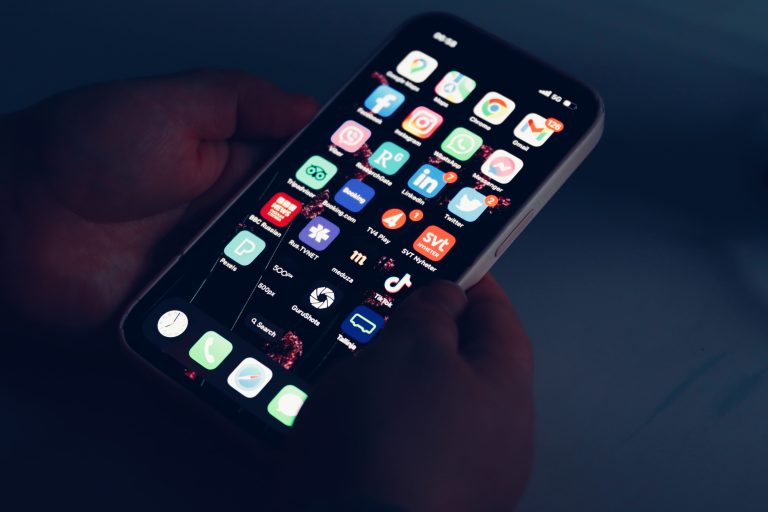
For an entire generation, the traditional search bar is obsolete. Instead, people are skipping Google and heading straight to platforms like TikTok, Instagram, and Pinterest to find product reviews, recipes, and travel tips. This is called Social SEO, and it is profoundly changing marketing and information discovery.
Recent data from the Pew Research Center highlights this major demographic shift:
- TikTok use among U.S. adults has jumped significantly since 2021, and critically, women are more likely than men to use Instagram, TikTok, and Facebook.
- TikTok and Instagram are now major destinations for news consumption, with 55% of TikTok users and 41% of Instagram users reporting they regularly get news there.
- Younger adults (18-29) are the most frequent users, standing out dramatically in their daily use of TikTok and Instagram.
The takeaway? If you want to know what’s trending, what’s happening globally, or how to style that new piece of sustainable clothing, the social algorithm is your librarian.
The Rise of the Micro-Influencer and Vibe Culture
This shift in platform usage has simultaneously driven a change in who holds influence. The massive celebrity influencer is giving way to two powerful forces: User-Generated Content (UGC) Creators and Micro-Influencers.
As Hootsuite notes, the creator economy is now worth over $100 billion, and platforms are heavily investing in everyday creators. Brands are finding that teaming up with micro-influencers sparks more authentic conversations and stronger connections than relying on established mega-stars. Why? Because authenticity sells, especially when AI is blurring the lines everywhere else.
Furthermore, we’re seeing a shift from fleeting, hyper-fast “trends” to “Vibe” culture. This is a slower, mood-driven approach where marketers use social listening to decode the emotional energy behind a trend rather than just the surface-level sentiment. This means the content is less about chasing the latest TikTok dance and more about cultivating a specific, long-lasting aesthetic and emotional experience that strengthens the brand’s identity. The emphasis is on long-form, meaningful engagement, and authentic brand storytelling that builds trust.
Finding Balance in the Feed
The current events shaping our feeds require vigilance. We’ve seen platforms like TikTok add options to limit AI content in users’ feeds, acknowledging the need for digital hygiene. The crucial step is to be conscious of what you’re feeding the algorithm. Are you passively consuming manufactured perfection, or are you actively engaging with human-led, authentic content?
Our new reality requires us to treat our feed like a curated garden, not a sewage pipe. Use the search functions, prioritize niche communities, and be intentional about supporting the voices—whether they are micro-influencers, small businesses, or ethical brands—that resonate with your personal “vibe” and values.
Final Thoughts: The Conscious Consumer of 2025
The current events of today are really about one thing: The necessity of consciousness.
The blurring of reality through AI, the relentless speed of fast fashion, and the constant input from social feeds are all designed to push you toward unconscious consumption. The Synthetic Self tells you to strive for an impossible, manufactured beauty. The Greenwashing Glitch tells you to buy new things faster because they’re kinda sustainable. The algorithmic feed tells you what to think, search, and feel.
But the current event we can all control is our own conscious revolution.
Your power in 2025 lies in demanding transparency in pop culture, supporting systemic change in fashion, and curating your digital life with intention.
- Demand the Real: When you see a perfect face or hear a perfect voice, ask if it’s real. Prioritize and celebrate human creativity over algorithmic output, especially when AI-generated content can carry hidden biases (Source: AI Bias Test: How 5 Models Imagine People – eWeek).
- Invest Ethically: Look beyond the “eco-friendly” label. Support legislation demanding accountability, like The Fashion Act, and look for brands making measurable reductions in their Scope 3 emissions (Source: The Fashion Act). Participate in the recommerce revolution by selling, swapping, or repairing your existing wardrobe.
- Search Smart: Use your social platforms not just for entertainment but for informed discovery. Remember that women are major users of key platforms like TikTok and Instagram, and our collective focus drives trends. Use that power to elevate authentic stories and focus on building your own, genuine vibe (Source: Americans’ Social Media Use 2025 | Pew Research Center).
The world is changing, girl, and you are the main character in this story. Let’s keep it real, keep it conscious, and keep setting the trends that actually matter.
Sources & Further Reading
- The AI Identity Crisis:
- Xania Monet’s music is the stuff of nightmares. Thankfully her AI ‘clankers’ will be limited to this cultural moment | The Guardian
- AI Takes on Pop Culture – and It’s Already Got a Fanbase | Thales
- Sustainable Fashion and the Waste Crisis:
- The Rise of Fast Fashion in South Korea, And How to Stop It | Earth.Org
- Fashion Industry Charter for Climate Action | UNFCCC
- The Fashion Act | S. 4746 (Hoylman) / A. 4333 (Kelles)
- Sustainable Fashion and Apparel News | Fashion Dive
- The Social Media Landscape:
- Americans’ Social Media Use 2025 | Pew Research Center
- Social Media Trends 2025 | Hootsuite