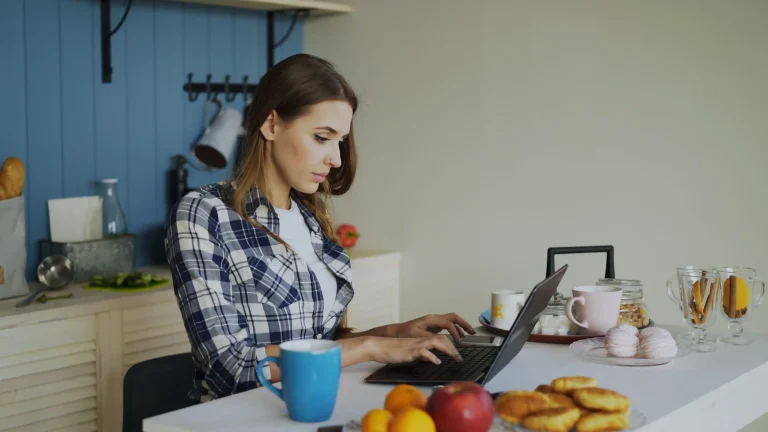
For generations, career success was often measured by traditional milestones: climbing the corporate ladder, earning a specific title, and following a predictable professional path.
Today, that definition is changing.
More women are building careers around creativity, independence, entrepreneurship, and personal purpose. Instead of following one traditional route, many are creating opportunities that combine professional growth with flexibility, ownership, and the freedom to design work around their lives.
The modern career landscape is becoming more open, diverse, and adaptable.
Women are increasingly exploring paths that were once difficult to access, including entrepreneurship, content creation, freelancing, digital businesses, creative industries, and technology-driven careers.
This shift reflects a larger transformation in how people think about work. Success is no longer defined only by where someone works or what position they hold. For many professionals, success now includes having control over their time, pursuing meaningful projects, and building careers aligned with personal values.
Creativity has become one of the biggest drivers of new career opportunities.
Digital platforms have created new ways for women to turn skills and interests into professional opportunities. Writing, design, photography, marketing, education, consulting, and content creation can now become sustainable careers through online platforms and global audiences.
A person no longer needs to wait for traditional gatekeepers to recognize their talent. They can build a portfolio, connect with customers, and create opportunities independently.
Entrepreneurship has also become a major pathway for women seeking greater control over their careers.
More women are launching businesses across industries including beauty, wellness, fashion, technology, food, education, and professional services. Many are creating companies based on personal experiences, solving problems they understand, and building brands that reflect their values.
This growth has been supported by easier access to digital tools. Online marketplaces, social media, e-commerce platforms, and remote work technologies have lowered some barriers that previously made entrepreneurship more difficult.
Women can now build businesses with smaller teams, global customers, and flexible structures.
The rise of the creator economy has also opened new possibilities. Content creators, educators, coaches, and digital entrepreneurs are building careers by sharing expertise, developing communities, and creating valuable online experiences.
For many women, this path offers a combination of creativity and independence. They can choose what they create, who they serve, and how they structure their work.
However, building an independent career requires more than creativity. Successful professionals often develop skills in business strategy, marketing, financial planning, communication, and technology.
The most successful career builders understand that creativity and business knowledge work together.
Remote and flexible work opportunities have also transformed career possibilities. Many women are seeking professional environments that allow them to balance career goals with personal priorities.
Flexibility has become an important factor in career decisions because it allows people to design lifestyles that support both professional ambition and personal well-being.
This shift has encouraged companies to rethink traditional workplace structures. Organizations are increasingly recognizing that talent can come from different backgrounds, locations, and career paths.
Women are also entering industries where they have historically been underrepresented. Fields such as technology, engineering, finance, and leadership are seeing more women creating businesses, leading teams, and influencing innovation.
These changes are helping expand the definition of who can be a leader.
Mentorship and community have played an important role in this evolution. Women are creating networks that provide support, knowledge, and opportunities for others.
Professional communities, online groups, and entrepreneurship networks allow women to share experiences, learn from one another, and build stronger career foundations.
This sense of connection is especially valuable in fields where women have traditionally faced limited representation.
Another important shift is that women are increasingly prioritizing careers that reflect their identities and values. Many are choosing work that allows them to express creativity, contribute to causes they care about, and create meaningful impact.
Purpose has become a major part of modern career decisions.
This does not mean traditional career paths are disappearing. Corporate leadership, professional roles, and established industries continue to offer valuable opportunities. Instead, women today have more choices in how they build success.
A successful career can now take many forms.
It can be leading a company, building a personal brand, creating products, developing expertise, or combining multiple professional interests into one unique path.
The future of work will likely continue moving toward greater flexibility and personalization. As technology advances and new industries emerge, more women will have opportunities to create careers that reflect their strengths and ambitions.
The biggest change is that women are no longer only entering existing career paths.
They are creating new ones.
The next generation of professional success will be shaped by those who combine creativity, independence, and innovation to build careers on their own terms.
References
- McKinsey & Company – Women in the Workplace Research
- World Economic Forum – Future of Work and Gender Gap Research
- Harvard Business Review – Women Leadership and Career Development Research
- Deloitte – Workplace Trends and Future of Work Insights
- U.S. Small Business Administration – Women Entrepreneurs Resources and Research
- LinkedIn Economic Graph – Workforce and Career Trends Research