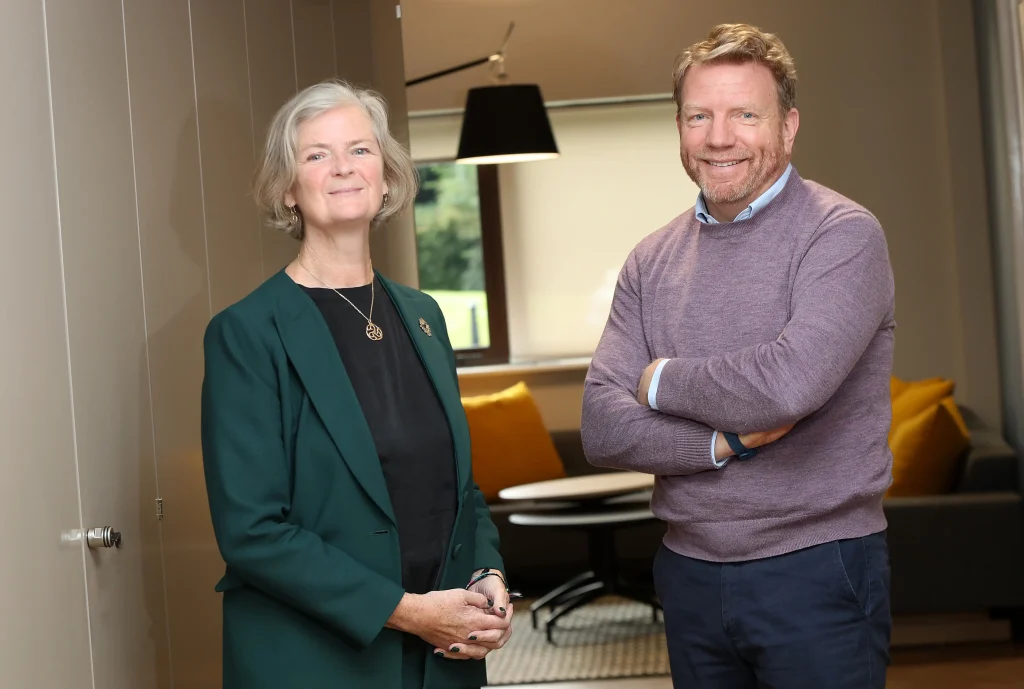
Lessons from Sally Bridgeland FIA, Development Bank of Wales
In recent years, the call to support women in business has grown louder and more urgent. From boardrooms to startups, women entrepreneurs are proving that when given the opportunity, they deliver innovation, resilience, and economic growth. Yet despite progress, gender disparities persist — in access to capital, leadership roles, pay equity, and representation across industries.
Sally Bridgeland FIA, a senior figure at the Development Bank of Wales, has often reflected on her own journey: “Back in the 1980s, when I started work, the world of finance was not particularly welcoming… I know first‑hand how far we’ve come — and how far we have to go.” Her perspective, rooted in experience and institutional insight, underscores why backing women in business isn’t just a matter of fairness — it’s essential for a thriving economy and society.
In this article, we’ll explore:
- The current state of women in business
- Barriers women still face
- Why supporting women benefits the broader economy
- How institutions and individuals can take action
1. A Snapshot: Women in the Business World
Globally, women make up roughly half the workforce, yet they remain underrepresented in business leadership and ownership roles. According to the World Bank, while female labor force participation has increased, women are still less likely than men to be managers or business owners.¹ Even in advanced economies, the gender gap in leadership roles persists.
In the UK, for example:
- Only about 34% of UK senior leadership roles are held by women.²
- Women‑led businesses receive a disproportionately small share of investment funding compared to their male‑led counterparts.³
- Gender pay gaps and career advancement obstacles remain prevalent across sectors.
Bridgeland’s reflection on her early career in the 1980s — a time when female voices in finance were rare — highlights how these disparities are not accidental, but rooted in historical norms that favored male advancement.
2. Barriers Women Face in Business
A. Access to Capital
One of the biggest hurdles for women in business is access to finance. Women entrepreneurs often receive less funding from venture capital firms, banks, and institutional investors compared to men. This disparity exists even when women’s business proposals demonstrate comparable — or better — performance potential.
Several factors contribute:
- Investor bias: subconscious preferences for founders who “look like” traditional business leaders
- Risk perception: female founders may be unfairly perceived as higher risk
- Lack of representation: women are underrepresented among decision‑makers in investment firms
The result? Women often have to bootstrap more of their business growth — or turn to alternative sources of finance.
B. Leadership and Representation Gaps
Women are underrepresented in senior leadership positions. This is not due to lack of ability, but systemic barriers such as:
- Unconscious bias in hiring and promotion
- Stereotypes about leadership styles
- Limited access to professional networks
These gaps become self‑reinforcing; when fewer women are visible in leadership, fewer women see themselves represented — reducing aspiration and opportunity.
C. Balancing Career and Care Responsibilities
Despite progress, women still shoulder more unpaid care responsibilities than men. This can limit:
- Time available for business development
- Opportunities to pursue promotions
- Participation in networking events critical for career growth
Policies like flexible work arrangements and affordable childcare are crucial, but many workplaces still lag in offering these supports.
3. The Economic Case: Why Supporting Women Matters
Backing women in business is not only an ethical imperative — it’s an economic one. When women succeed, economies grow.
A. Women‑Owned Businesses Drive Growth
Studies show that female entrepreneurs often reinvest profits into their families and communities at high rates, leading to positive multiplier effects in local economies. In many emerging markets, women‑owned micro and small businesses are lifelines for community well‑being.
B. Diversity Boosts Innovation and Performance
Research conducted by McKinsey & Company found that companies with gender‑diverse leadership teams are more likely to outperform their peers financially.⁴ When women are included in decision‑making, organizations benefit from a broader range of perspectives, better problem‑solving, and increased innovation.
C. Closing the Gender Gap Could Add Trillions to Global GDP
Global economic analyses estimate that closing the gender gap in employment and entrepreneurship could add trillions of dollars to the world economy. Countries that empower women across sectors see stronger, more sustainable economic outcomes.
4. Sally Bridgeland’s Perspective: Finance, Opportunity, and Change
Sally Bridgeland’s career offers a lens into the evolution of women’s roles in finance — and what still needs to change.
When she entered the field in the 1980s, finance was overwhelmingly male‑dominated. Few women had access to prominent roles or decision‑making positions. As she advanced, Bridgeland saw firsthand how gender barriers affected not only representation but also access to opportunity.
Her work with the Development Bank of Wales reflects a commitment to leveling the playing field. The bank actively supports women‑led enterprises, recognizing that access to capital can be transformative — not only for individual entrepreneurs, but for the broader business ecosystem.
Her message to women entrepreneurs is clear: “You have the skills, the vision, and the resilience — now we need systems that back you.”
5. Areas Where Support Can Make a Difference
A. Expanding Access to Capital
Financial institutions can do more to support women by:
- Offering gender‑aware loan programs
- Reducing collateral requirements
- Actively tracking and reporting loan data by gender
Public and private sector partnerships can bridge gaps from venture capital to microfinance.
B. Mentorship and Networking Programs
Connections matter. Mentorship programs help women:
- Navigate barriers to leadership
- Gain visibility in professional networks
- Build confidence and strategic insight
Networking organizations tailored to women’s business leadership are proving effective in many regions.
C. Policy and Advocacy
Government policy plays a role in enabling women’s business success. Examples include:
- Tax incentives for women‑owned enterprises
- Parental leave policies that address care responsibilities
- Funding for women’s training and entrepreneurship programs
Policy advocacy ensures systemic barriers are addressed, not just at the individual level.
D. Education and Skills Development
Equipping women with business skills — from financial literacy to digital marketing — empowers them to compete effectively. Programs that combine technical skills with entrepreneurship training create more sustainable business outcomes.
6. Stories of Impact: Women Who’ve Thrived With Support
Across industries, women are proving what’s possible with the right support.
Tech Innovators
Women founders are starting companies that disrupt industries — from fintech to health tech. Though they receive a lower proportion of venture funding overall, many show strong performance, customer growth, and positive social impact.
Social Entrepreneurs
Women often spearhead ventures that combine profit with purpose — focusing on education, community development, sustainability, and health. These businesses create social value while remaining economically viable.
Small and Medium Enterprises (SMEs)
In many communities, women‑owned SMEs serve as engines of employment and stability. With targeted financing and mentorship, their growth can have outsized effects on local economies.
Together, these success stories show that when women are backed — financially, socially, and institutionally — they deliver results.
7. The Ripple Effect: How Backing Women Benefits Everyone
Supporting women in business has cascading positive effects:
A. Economic Empowerment for Families
Women who run businesses often invest in education, healthcare, and household well‑being — creating stability and opportunity for future generations.
B. Community Development
Thriving women‑led enterprises strengthen communities by creating jobs, supporting local suppliers, and fostering inclusive growth.
C. Cultural Impact
When women succeed in business, they shift cultural norms, inspiring young women and girls to pursue entrepreneurial aspirations. Representation matters — and women leaders become role models.
8. Addressing Persistent Challenges
While progress has been made, obstacles remain:
- Funding Imbalances: Women still receive far less capital than men — especially in venture financing.
- Stereotypes and Bias: Gender bias in hiring, promotion, and investment decisions can limit opportunities.
- Structural Barriers: Care responsibilities, workplace inflexibility, and unequal pay continue to disadvantage women.
Ending these challenges requires multi‑sector commitment — from governments, financial institutions, employers, and communities.
9. Practical Steps for Individuals to Support Women Entrepreneurs
You don’t need to run a bank to make a difference. Here are ways individuals can help back women in business:
Support Women‑Owned Brands
Choose to shop from women founders — especially small and local businesses. Your spending is direct support.
Mentor or Advocate
If you have expertise, offer mentorship. Your guidance can open doors for someone with potential.
Invest With Intent
Consider gender‑lens investing, which prioritizes businesses led by women or serving women’s needs. Even small investment vehicles can make an impact.
Amplify Voices
Share success stories, promote women founders on social media, and celebrate women’s leadership — visibility matters.
10. The Way Forward: A Call to Action
The business landscape is changing — and women are poised to lead its evolution. But without intentional backing, this potential remains constrained.
As Sally Bridgeland put it: “The world is more welcoming than it used to be — but welcoming isn’t enough. We need active support, investment, and opportunity.”
Backing women in business is about:
- Building inclusive economies
- Creating equitable opportunity
- Harnessing the full talent pool of our workforce
It’s not only the right thing to do — it’s smart economics.
Conclusion
If we want economies that are resilient, innovative, and inclusive, we must back women in business at every level — from microfinance to multimillion‑dollar investment rounds, from mentorship to policy reform. Women have the talent, creativity, and leadership capacity to drive economic transformation, but they need equal access to resources, networks, and opportunities.
By investing in women, we invest in stronger communities, healthier families, and a more equitable future for all.
References
- World Bank — Gender at Work: A Companion to the World Development Report 2019 (https://www.worldbank.org/en/topic/gender/publication/gender-at-work)
- McKinsey & Company — Women in the Workplace 2025 (https://www.mckinsey.com/featured-insights/diversity-and-inclusion/women-in-the-workplace)
- Harvard Business Review — Why Women‑Owned Startups Are Still Getting the Short End of the Stick (https://hbr.org/2021/05/why-women-owned-startups-are-still-getting-the-short-end-of-the-stick)
- McKinsey & Company — Diversity Wins: How Inclusion Matters (https://www.mckinsey.com/featured-insights/diversity-and-inclusion/diversity-wins-how-inclusion-matters)