Female empowerment is not just a movement, a hashtag, or a trending conversation—it is a deep, ongoing transformation in the way women see themselves, claim space in the world, and shape the systems that once held them back. It is the story of courage meeting opportunity, of voices refusing to be silenced, and of everyday acts that collectively change history. The narrative of empowerment is as ancient as the stories of women who defied odds, and as modern as the teenager today who builds her first business online, speaks up in a classroom, or demands equal pay in her workplace. It is not confined to one culture, one generation, or one definition. Rather, it is the universal yet deeply personal journey of self-realization, confidence, and unapologetic existence.
At its core, female empowerment is about choice. The choice to speak or remain silent, to lead or to support, to stay in a role or to walk away. It’s about dismantling the invisible rules that told women how they “should” live and replacing them with a truth they craft themselves. This doesn’t mean every woman must aim to be a CEO, a public figure, or a groundbreaking inventor—empowerment comes in many forms. For one, it may be starting a career in a male-dominated field. For another, it may be raising a family in a way that breaks old cycles of inequality. For another still, it might be traveling alone for the first time or simply saying “no” without explanation.
Historically, empowerment was often about survival. For centuries, women were denied education, property rights, and the right to vote—not because they were incapable, but because systems feared what capable women might do. Education became the first spark for many. The moment a woman could read, she could question. When she could write, she could challenge. And when she could lead, she could inspire. Each legal victory—whether the right to vote, own land, or work in professions once closed to her—was more than a step forward for individuals; it was a collective declaration that women are not passive participants in society, but active architects of its future.
In modern times, empowerment has expanded beyond access to rights and into the realm of redefining cultural narratives. Women are not only entering spaces once dominated by men; they are reshaping those spaces entirely. Leadership is no longer defined solely by hierarchy but by empathy, collaboration, and emotional intelligence—qualities that women have long been told to hide, now recognized as vital to sustainable success. Empowerment has also become deeply intertwined with self-worth, body autonomy, and mental health. A woman who knows her value doesn’t wait for validation; she moves forward knowing her existence alone is enough reason to take up space.
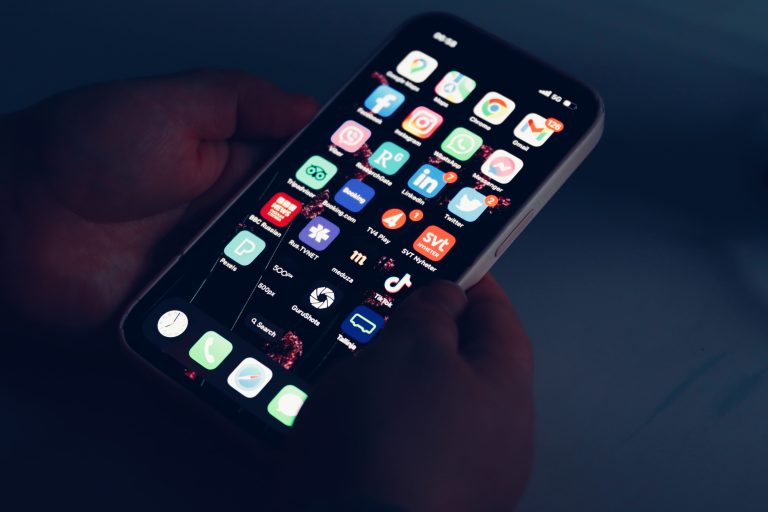
Social media has played a powerful role in both advancing and challenging empowerment. On one hand, it has given women a global platform to tell their stories, connect across borders, and create movements that governments and corporations can’t ignore. Campaigns for equality, awareness about harassment, and celebration of women’s achievements can now reach millions overnight. On the other hand, it has introduced new pressures—curated perfection, comparison culture, and online harassment—that can chip away at confidence. True empowerment in the digital age means using these tools for growth while guarding one’s self-esteem against the unrealistic standards they can promote.
Empowerment is not a straight road—it’s a cycle of learning, unlearning, and growing. Many women have experienced moments where they felt strong, only to face situations that made them doubt themselves again. This doesn’t erase their progress; it’s a reminder that empowerment is a practice, not a permanent state. It’s built through resilience: the quiet decision to try again after failure, the courage to walk away from toxic environments, the willingness to speak up even when your voice shakes.
One of the most beautiful aspects of empowerment is that it multiplies when shared. A woman who steps into her power often inspires those around her to do the same. The mentor who guides a young professional, the friend who reminds you of your worth during heartbreak, the leader who uses her position to open doors for others—these are all acts of empowerment in motion. The more women lift each other up, the faster the old hierarchies crumble.
This doesn’t mean empowerment is without its challenges. Gender biases still exist in subtle and overt forms. Many women face “glass ceilings” at work, “glass cliffs” where they’re given leadership in times of crisis without support, or are judged more harshly for mistakes than their male counterparts. Women of color, LGBTQ+ women, women with disabilities, and those in marginalized communities often face compounded barriers. This is why intersectionality is crucial in any conversation about empowerment—because the fight for equality must acknowledge that not all women face the same struggles, and solutions must reflect those differences.
Empowerment also calls for redefining success on one’s own terms. For too long, women were measured by narrow societal checklists: marriage, motherhood, appearance. While those can be fulfilling choices, they should be choices—not obligations. A woman may be most empowered when she builds a multimillion-dollar company, or when she lives quietly in a small town, painting landscapes, or when she chooses not to marry or have children at all. What matters is that her life reflects her own vision, not the weight of someone else’s expectations.
There is also a quiet power in setting boundaries. Empowerment doesn’t have to look like loud defiance; sometimes it’s the quiet “I will not tolerate this” and the steady step toward a healthier environment. It’s choosing rest without guilt. It’s refusing to apologize for taking up time, space, or opportunities. These small, daily acts of reclaiming one’s life are just as revolutionary as large-scale movements.
The future of female empowerment lies in collaboration rather than competition. For too long, women were taught to see each other as rivals, fighting over the few seats at the table. The truth is, the table can be expanded, rebuilt, or replaced entirely. Women supporting women—whether through mentorship programs, networking, sharing resources, or simply celebrating each other’s wins—creates a ripple effect that benefits everyone.
In the end, empowerment is about freedom. The freedom to dream without limitation, to make choices without fear, to live authentically without seeking permission. It’s not just about breaking barriers; it’s about building bridges—for ourselves and for those who come after us. And while the journey is far from over, each step forward is a reminder that empowered women are not exceptions—they are the new norm.
The most powerful thing a woman can do for herself is to believe that she is enough exactly as she is. The most powerful thing she can do for others is to help them believe it too. In a world that still underestimates the power of women, simply owning your voice, your choices, and your worth is an act of quiet revolution. And revolutions, as history shows, have the power to change everything.Female empowerment is not just a movement, a hashtag, or a trending conversation—it is a deep, ongoing transformation in the way women see themselves, claim space in the world, and shape the systems that once held them back. It is the story of courage meeting opportunity, of voices refusing to be silenced, and of everyday acts that collectively change history. The narrative of empowerment is as ancient as the stories of women who defied odds, and as modern as the teenager today who builds her first business online, speaks up in a classroom, or demands equal pay in her workplace. It is not confined to one culture, one generation, or one definition. Rather, it is the universal yet deeply personal journey of self-realization, confidence, and unapologetic existence.
At its core, female empowerment is about choice. The choice to speak or remain silent, to lead or to support, to stay in a role or to walk away. It’s about dismantling the invisible rules that told women how they “should” live and replacing them with a truth they craft themselves. This doesn’t mean every woman must aim to be a CEO, a public figure, or a groundbreaking inventor—empowerment comes in many forms. For one, it may be starting a career in a male-dominated field. For another, it may be raising a family in a way that breaks old cycles of inequality. For another still, it might be traveling alone for the first time or simply saying “no” without explanation.
Historically, empowerment was often about survival. For centuries, women were denied education, property rights, and the right to vote—not because they were incapable, but because systems feared what capable women might do. Education became the first spark for many. The moment a woman could read, she could question. When she could write, she could challenge. And when she could lead, she could inspire. Each legal victory—whether the right to vote, own land, or work in professions once closed to her—was more than a step forward for individuals; it was a collective declaration that women are not passive participants in society, but active architects of its future.
In modern times, empowerment has expanded beyond access to rights and into the realm of redefining cultural narratives. Women are not only entering spaces once dominated by men; they are reshaping those spaces entirely. Leadership is no longer defined solely by hierarchy but by empathy, collaboration, and emotional intelligence—qualities that women have long been told to hide, now recognized as vital to sustainable success. Empowerment has also become deeply intertwined with self-worth, body autonomy, and mental health. A woman who knows her value doesn’t wait for validation; she moves forward knowing her existence alone is enough reason to take up space.
Social media has played a powerful role in both advancing and challenging empowerment. On one hand, it has given women a global platform to tell their stories, connect across borders, and create movements that governments and corporations can’t ignore. Campaigns for equality, awareness about harassment, and celebration of women’s achievements can now reach millions overnight. On the other hand, it has introduced new pressures—curated perfection, comparison culture, and online harassment—that can chip away at confidence. True empowerment in the digital age means using these tools for growth while guarding one’s self-esteem against the unrealistic standards they can promote.
Empowerment is not a straight road—it’s a cycle of learning, unlearning, and growing. Many women have experienced moments where they felt strong, only to face situations that made them doubt themselves again. This doesn’t erase their progress; it’s a reminder that empowerment is a practice, not a permanent state. It’s built through resilience: the quiet decision to try again after failure, the courage to walk away from toxic environments, the willingness to speak up even when your voice shakes.
One of the most beautiful aspects of empowerment is that it multiplies when shared. A woman who steps into her power often inspires those around her to do the same. The mentor who guides a young professional, the friend who reminds you of your worth during heartbreak, the leader who uses her position to open doors for others—these are all acts of empowerment in motion. The more women lift each other up, the faster the old hierarchies crumble.
This doesn’t mean empowerment is without its challenges. Gender biases still exist in subtle and overt forms. Many women face “glass ceilings” at work, “glass cliffs” where they’re given leadership in times of crisis without support, or are judged more harshly for mistakes than their male counterparts. Women of color, LGBTQ+ women, women with disabilities, and those in marginalized communities often face compounded barriers. This is why intersectionality is crucial in any conversation about empowerment—because the fight for equality must acknowledge that not all women face the same struggles, and solutions must reflect those differences.
Empowerment also calls for redefining success on one’s own terms. For too long, women were measured by narrow societal checklists: marriage, motherhood, appearance. While those can be fulfilling choices, they should be choices—not obligations. A woman may be most empowered when she builds a multimillion-dollar company, or when she lives quietly in a small town, painting landscapes, or when she chooses not to marry or have children at all. What matters is that her life reflects her own vision, not the weight of someone else’s expectations.
There is also a quiet power in setting boundaries. Empowerment doesn’t have to look like loud defiance; sometimes it’s the quiet “I will not tolerate this” and the steady step toward a healthier environment. It’s choosing rest without guilt. It’s refusing to apologize for taking up time, space, or opportunities. These small, daily acts of reclaiming one’s life are just as revolutionary as large-scale movements.
The future of female empowerment lies in collaboration rather than competition. For too long, women were taught to see each other as rivals, fighting over the few seats at the table. The truth is, the table can be expanded, rebuilt, or replaced entirely. Women supporting women—whether through mentorship programs, networking, sharing resources, or simply celebrating each other’s wins—creates a ripple effect that benefits everyone.
In the end, empowerment is about freedom. The freedom to dream without limitation, to make choices without fear, to live authentically without seeking permission. It’s not just about breaking barriers; it’s about building bridges—for ourselves and for those who come after us. And while the journey is far from over, each step forward is a reminder that empowered women are not exceptions—they are the new norm.
The most powerful thing a woman can do for herself is to believe that she is enough exactly as she is. The most powerful thing she can do for others is to help them believe it too. In a world that still underestimates the power of women, simply owning your voice, your choices, and your worth is an act of quiet revolution. And revolutions, as history shows, have the power to change everything.