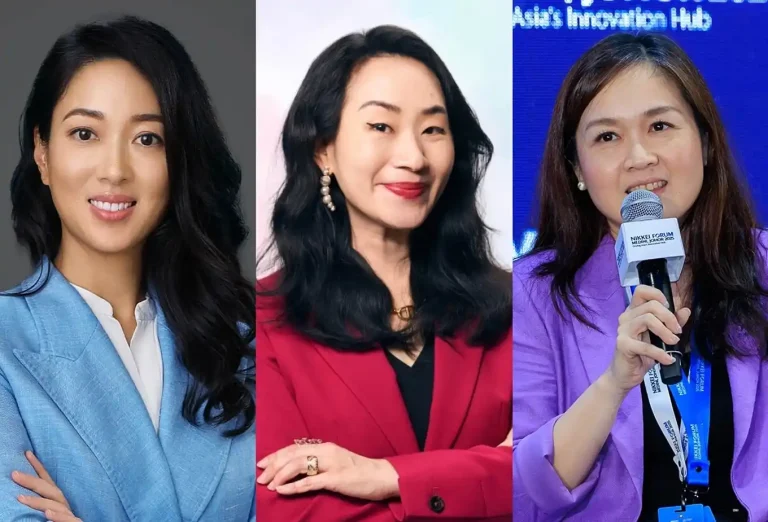
Women’s empowerment is more than a social concept—it’s a transformation that touches every part of life: personal, professional, political, and cultural. It’s about giving women the tools, resources, and confidence to make decisions for themselves and to influence the world around them. At its heart, it is the recognition that women are not just participants in society; they are leaders, innovators, and change-makers whose full potential benefits everyone.
When we talk about empowerment, we’re talking about more than just equality. Equality means having the same opportunities; empowerment means having the ability and support to take advantage of those opportunities. It’s one thing to open the door for women; it’s another to make sure they have the confidence, skills, and societal backing to walk through it without fear or hesitation.
Education is perhaps the single most powerful driver of women’s empowerment. When girls have access to quality education, their futures expand dramatically. Studies have shown that educated women are more likely to earn higher incomes, make informed decisions about health, and become leaders in their communities. Education doesn’t just lift individual women—it breaks the cycle of poverty for generations. Yet in many parts of the world, girls still face barriers such as child marriage, lack of access to schools, and gender-based discrimination that keeps them from learning. Empowerment starts when those barriers are broken.
Economic empowerment is equally crucial. Financial independence gives women the power to shape their own lives. When women can earn and control their income, they gain freedom from dependence and the ability to make choices that serve their best interests. Entrepreneurship, career advancement, equal pay, and access to credit are vital components of this. Economically empowered women also tend to invest in their families and communities, leading to broader social progress.
But empowerment is not only about opportunity—it’s also about safety and dignity. A woman cannot truly be empowered if she lives in fear of violence, harassment, or discrimination. Ending gender-based violence is central to creating a world where women can thrive. This means enforcing laws, changing cultural norms, and providing resources so that survivors can heal and reclaim their lives.
Representation matters, too. Seeing women in positions of power—in politics, business, sports, media—sends a message that leadership is not defined by gender. Role models inspire younger generations to dream bigger and to believe that those dreams are possible. The fight for more representation is not about tokenism; it’s about ensuring that women’s perspectives shape decision-making processes at every level.
One of the most overlooked aspects of women’s empowerment is mental and emotional well-being. Societal pressures, unrealistic beauty standards, and the expectation to juggle multiple roles can erode confidence. Empowerment means rejecting harmful stereotypes, practicing self-love, and building supportive communities where women lift each other up instead of tearing each other down. It’s about celebrating achievements without comparing, and recognizing that there is no single “right” way to be a woman.
True empowerment also recognizes diversity. The experiences of women are not uniform—race, culture, sexuality, disability, and socio-economic background all shape the challenges and opportunities women face. Intersectional empowerment ensures that all voices are heard, not just those who already have a platform.
Ultimately, women’s empowerment is a continuous process. It’s in the small, everyday acts of courage—speaking up in a meeting, negotiating for a better salary, choosing a path that others may not understand. It’s in the collective movements that demand change from governments, corporations, and cultural institutions. It’s in the quiet determination to create a better future, not only for ourselves but for the generations to come.
An empowered woman changes her life. A society of empowered women changes the world.