For generations, career success was often measured by traditional milestones: climbing the corporate ladder, earning a prestigious title, working longer hours, and reaching positions of authority. Professional achievement was frequently separated from personal life, with many people expected to adapt their lives around their careers.
Today, that definition is changing. More women are rethinking what success means and designing careers that fit their personal goals, values, lifestyles, and priorities. Instead of asking only, “How can I advance professionally?” many are asking a different question: “How can my career support the life I want to build?”
This shift represents a broader transformation in the modern workplace. Success is becoming more personal, flexible, and individualized. For many women, the ideal career is no longer simply one with a higher salary or impressive title—it is one that provides purpose, freedom, balance, and the ability to create a meaningful life.
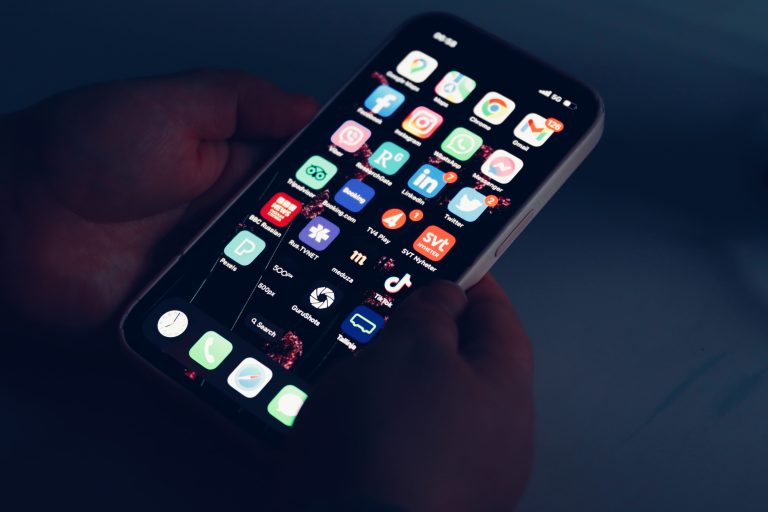
Technology has played a major role in making this possible. Remote work, digital platforms, online businesses, and flexible employment models have opened opportunities that were once unavailable. Women can now build careers beyond traditional office structures, creating professional paths that align more closely with their personal circumstances.
The rise of entrepreneurship has been especially influential. More women are launching businesses, creating digital brands, becoming consultants, developing online communities, and turning personal interests into sustainable careers. These opportunities allow individuals to define their own schedules and build work environments that reflect their values.
This does not mean traditional careers are becoming less valuable. Many women continue pursuing leadership positions within established organizations, industries, and institutions. However, the idea of success within these roles is evolving. Flexibility, meaningful work, and workplace culture are becoming just as important as promotions and compensation.
Work-life balance has become one of the biggest priorities shaping modern career decisions. Many professionals are recognizing that career achievement should not require sacrificing health, relationships, personal interests, or quality time. Instead, sustainable success focuses on creating a lifestyle where professional and personal goals can exist together.
This mindset is particularly important for women, who have historically faced unique challenges in the workplace. Balancing career growth with family responsibilities, personal expectations, and societal pressures has often required difficult choices. New career models are helping create more options rather than forcing people into one traditional path.
Personal branding has also transformed career development. In the past, professional identity was often defined by an employer or organization. Today, individuals can build their own reputation through social media, online portfolios, digital content, and professional networks.
Platforms such as LinkedIn allow professionals to showcase expertise, connect with opportunities, and build visibility beyond their current workplace. This has made career growth more accessible for people who want to explore different industries or create independent professional identities.
Another major shift is the growing importance of purpose. Many women are choosing careers based on personal meaning rather than external expectations. They are seeking roles that align with their interests, contribute to causes they care about, or allow them to make a positive impact.
This change can be seen across many industries. Women are entering technology, entrepreneurship, science, finance, creative industries, healthcare, and leadership roles while bringing new perspectives and approaches to problem-solving.
The workplace itself is adapting to these expectations. Companies are increasingly focusing on flexibility, employee well-being, professional development, and inclusive leadership because attracting and retaining talent requires understanding what modern workers value.
Career paths are also becoming less linear. The traditional idea of choosing one profession and staying in the same role for decades is becoming less common. Many women are embracing career changes, starting businesses later in life, returning to education, or combining multiple professional interests.
This flexibility allows people to view careers as evolving journeys rather than fixed identities. Skills gained from one experience can create opportunities in completely different fields, making personal growth an important part of professional success.
The concept of designing a career around life also reflects a deeper cultural change: people want more control over their time. Time has become one of the most valuable forms of independence. A career that provides flexibility and autonomy can feel more successful than one that offers status without personal fulfillment.
However, creating a personalized career path also requires planning. Flexibility often comes with challenges, including financial uncertainty, self-management, and the responsibility of creating opportunities independently. Successful career design requires understanding personal strengths, setting clear goals, and continuously developing skills.
Education and mentorship remain important parts of this process. Women who have access to supportive networks, professional guidance, and learning opportunities are better positioned to navigate changing career landscapes and pursue ambitious goals.
Ultimately, the future of work is becoming more individualized. There is no longer one universal definition of success that applies to everyone. A successful career may look different depending on a person’s values, responsibilities, dreams, and lifestyle.
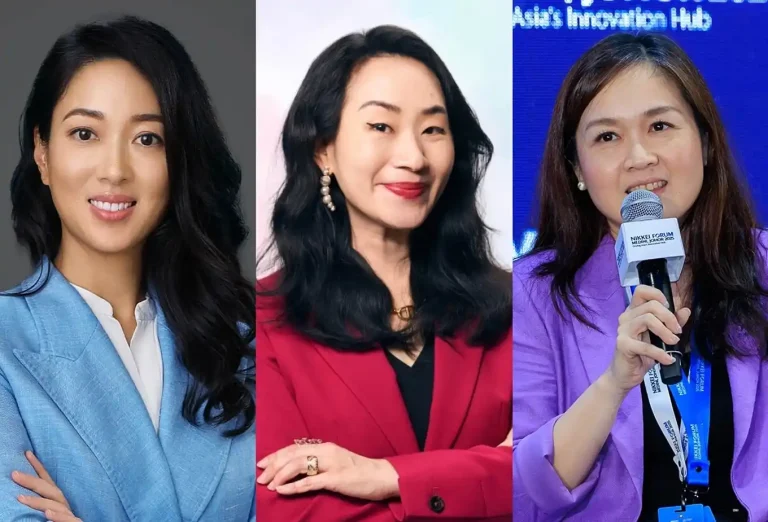
For many women, career success is no longer only about reaching the top—it is about building something that feels right. Whether that means leading a company, creating a business, working remotely, changing industries, or pursuing a passion, the goal is the same: creating a career that supports the life they want.
The women designing careers around their lives are redefining achievement itself. They are proving that success is not only about where you work or what title you hold—it is about creating a professional journey that reflects who you are.
References
- Harvard Business Review – Career Development, Leadership, and Workplace Research
- McKinsey & Company – Women in the Workplace Research and Reports
- World Economic Forum – Gender Equality and Future of Work Research
- Pew Research Center – Work, Technology, and Lifestyle Studies
- Deloitte – Workplace Trends and Future of Work Insights
- International Labour Organization – Women and Employment Research