Flexible careers are no longer seen as “alternatives” to traditional office paths—they are becoming the preferred direction for a growing number of professionals, especially women entering creative and digital industries. Instead of following a fixed 9-to-5 structure, many are choosing work that prioritizes autonomy, creativity, and control over time.
This shift reflects a broader change in how success is defined. Stability is still important, but it is no longer the only priority. Freedom, flexibility, and lifestyle alignment are now equally valued, reshaping what modern career growth looks like.
The shift away from traditional office expectations
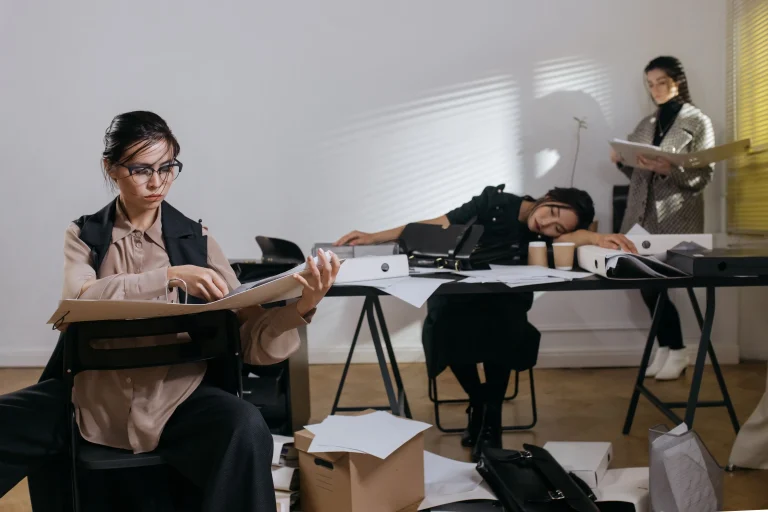
For decades, the standard career path was predictable: full-time office work, fixed hours, in-person meetings, and long-term corporate progression. While this structure still exists, it no longer represents the only—or even the most desirable—option for many workers.
Digital tools, remote platforms, and freelance marketplaces have made it possible to build sustainable careers outside traditional office systems. As a result, creative professionals are increasingly designing their own work structures instead of adapting to rigid ones.
This has opened the door to roles in content creation, digital marketing, design, consulting, brand strategy, and independent entrepreneurship. These careers often prioritize output and creativity over physical presence in an office.
Why flexibility is becoming the new career advantage
Flexibility is now one of the most valuable currencies in modern work culture. It allows people to control when, where, and how they work—something that was rarely possible in older corporate systems.
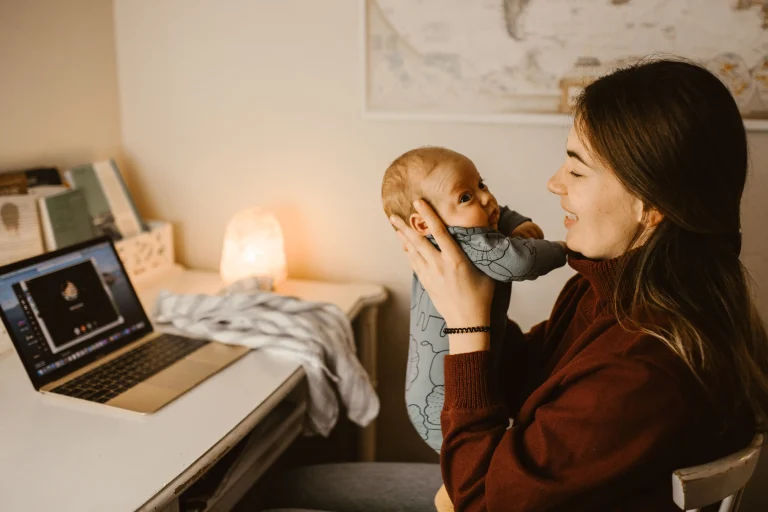
For many women in creative industries, this flexibility is not just a convenience—it is a requirement for balancing multiple responsibilities, including education, family, personal projects, and side businesses.
Remote-friendly tools like collaborative design platforms, video communication apps, and cloud-based project management systems have made it easier than ever to work from anywhere. This has helped normalize careers that exist entirely outside traditional office environments.
The rise of creative and independent careers
One of the most noticeable trends is the growth of independent creative work. Instead of committing to a single employer, many professionals are combining multiple income streams such as:
- Freelance design and branding work
- Social media content creation
- Online coaching or consulting
- Digital product creation (courses, templates, guides)
- Influencer marketing and brand partnerships
These roles allow individuals to build personal brands while also developing business skills that were once limited to entrepreneurs and executives.
Platforms like YouTube, TikTok, Instagram, and Substack have turned creativity into a direct career path. A strong online presence can now lead to sponsorships, collaborations, and long-term business opportunities.
Why women are leading this shift
Women are playing a major role in reshaping creative career paths. Many are choosing flexible work structures that align better with lifestyle goals, mental wellbeing, and long-term independence.
Instead of climbing traditional corporate ladders, they are building portfolio careers—combining multiple roles that evolve over time. This might include freelance work, brand partnerships, personal projects, and digital entrepreneurship all at once.
Creators such as Emma Chamberlain, Alix Earle, and Addison Rae have helped normalize the idea that creative digital work can evolve into full-scale business careers.
Their success reflects a larger cultural shift: personal branding is no longer separate from professional identity—it is often the foundation of it.
Social media as a career engine
Social platforms have become the primary infrastructure for many creative careers. Instead of relying on traditional gatekeepers like agencies or corporations, individuals can now build audiences directly.
This has changed the definition of opportunity. A single viral video, post, or creative project can open doors to brand deals, partnerships, and long-term income streams.
However, this also requires adaptability. Algorithms change frequently, audience preferences shift quickly, and creators must continuously evolve their content strategies to stay relevant.
Despite these challenges, the potential for independence continues to attract new professionals into the creative space.
The blending of personal life and professional identity
One of the defining features of modern creative careers is the blending of personal expression with professional output. Unlike traditional roles that separate work from identity, creative careers often integrate both.
This can be seen in lifestyle content, fashion branding, digital storytelling, and online entrepreneurship. Personal experiences often become part of professional storytelling, making careers feel more authentic and relatable.
At the same time, this blending raises new questions about boundaries, burnout, and privacy. As careers become more visible online, maintaining balance becomes increasingly important.
Financial independence through diversified income
Another major reason flexible careers are growing is financial diversification. Instead of relying on a single paycheck, many creative professionals build multiple revenue streams.
This approach provides more stability in uncertain economic conditions. If one income source slows down, others can continue supporting overall earnings.
Digital platforms have made this easier by offering monetization options such as ad revenue, affiliate marketing, digital product sales, and subscription-based content.
The changing meaning of success
Success in traditional office culture was often measured by promotions, titles, and years of service. In creative and flexible careers, success looks different.
It may include:
- Audience growth
- Creative freedom
- Income independence
- Work-life balance
- Personal fulfillment
This broader definition allows individuals to design careers that align with their values rather than external expectations.
Challenges of flexible creative careers
Despite their advantages, flexible careers are not without challenges. Income can be unpredictable, competition is high, and long-term stability requires constant adaptation.
Many creatives also face pressure to remain consistently visible online, which can lead to burnout or creative fatigue. Managing boundaries between work and personal life becomes essential for sustainability.
Additionally, without structured environments, self-discipline and time management become critical skills.
The future of creative work
As technology continues to evolve, flexible careers are expected to grow even further. Artificial intelligence, remote collaboration tools, and digital marketplaces are lowering barriers to entry and expanding opportunities for independent professionals.
This means more people will have the ability to design careers that fit their lifestyles rather than adapting their lives to rigid job structures.
Ultimately, the rise of flexible creative careers reflects a larger cultural transformation. Work is no longer just about stability or status—it is about freedom, expression, and control over one’s time.
For many women entering creative industries today, the most valuable career choice is not the most traditional one—it is the one that allows them to build a life that feels both sustainable and personally meaningful.