In 2026, side hustles have evolved from occasional extra income streams into structured, flexible work ecosystems that many people rely on for financial stability and creative independence. Among the most active participants in this shift are women, who continue to shape online business trends across content creation, digital services, and e-commerce platforms.
Unlike traditional second jobs, modern side hustles are built around flexibility. They are designed to fit into existing routines rather than replace them, allowing individuals to scale income based on time, skills, and opportunity. This adaptability is one of the main reasons these models have become so widely adopted.
A major category driving this trend is digital content creation. Platforms centered around short-form video, subscription content, and niche communities have made it possible to monetize personal expertise, lifestyle content, and creative output without requiring large-scale infrastructure. Many creators build income through brand partnerships, affiliate marketing, and platform-based monetization tools.
Another rapidly growing area is online services. Freelance design, copywriting, social media management, virtual assistance, and consulting continue to expand as businesses increasingly outsource tasks to independent workers. These roles often require minimal startup costs, making them accessible and scalable.
E-commerce also remains a strong pillar of the side hustle economy. Independent online stores, digital product sales, and small-batch physical goods continue to perform well, especially when supported by social media marketing and creator-led branding. Platforms that simplify storefront creation have lowered barriers to entry significantly.
In many cases, these income streams are combined. A single individual might manage content creation alongside freelance work or digital product sales, creating a diversified approach to income rather than relying on a single source. This multi-stream model has become increasingly common as financial flexibility becomes a priority.
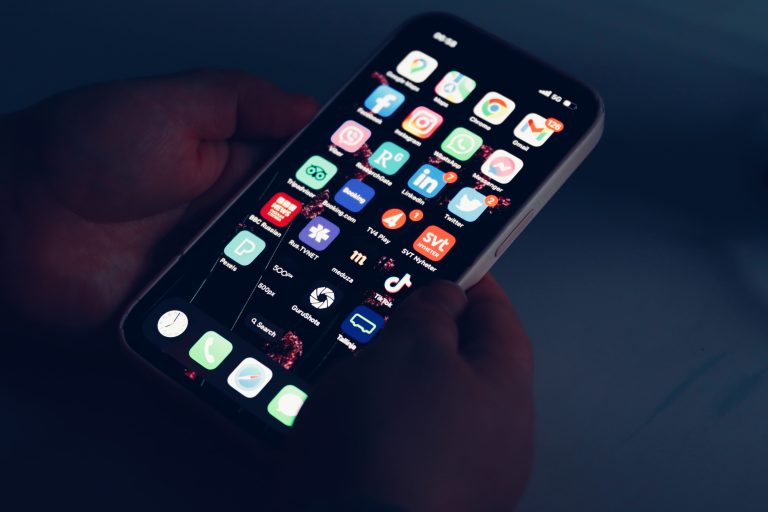
Social media continues to play a central role in shaping which side hustles gain traction. Trends often spread quickly through tutorials, success stories, and behind-the-scenes content that normalize the idea of building income independently. This visibility helps reduce barriers for newcomers entering similar spaces.
At the same time, the appeal of side hustles is not only financial. Many participants are drawn to the autonomy they provide, including control over schedules, creative direction, and long-term growth potential. This sense of independence has become a defining feature of modern digital work culture.
However, the growth of side hustles also highlights the increasing complexity of balancing multiple responsibilities. Managing time, maintaining consistency, and navigating platform changes are ongoing challenges that come with this type of work structure.
Despite these challenges, the trend continues to expand as more people seek adaptable ways to earn income in an increasingly digital economy. What began as a supplementary activity has become a core part of how modern work is structured for many individuals.