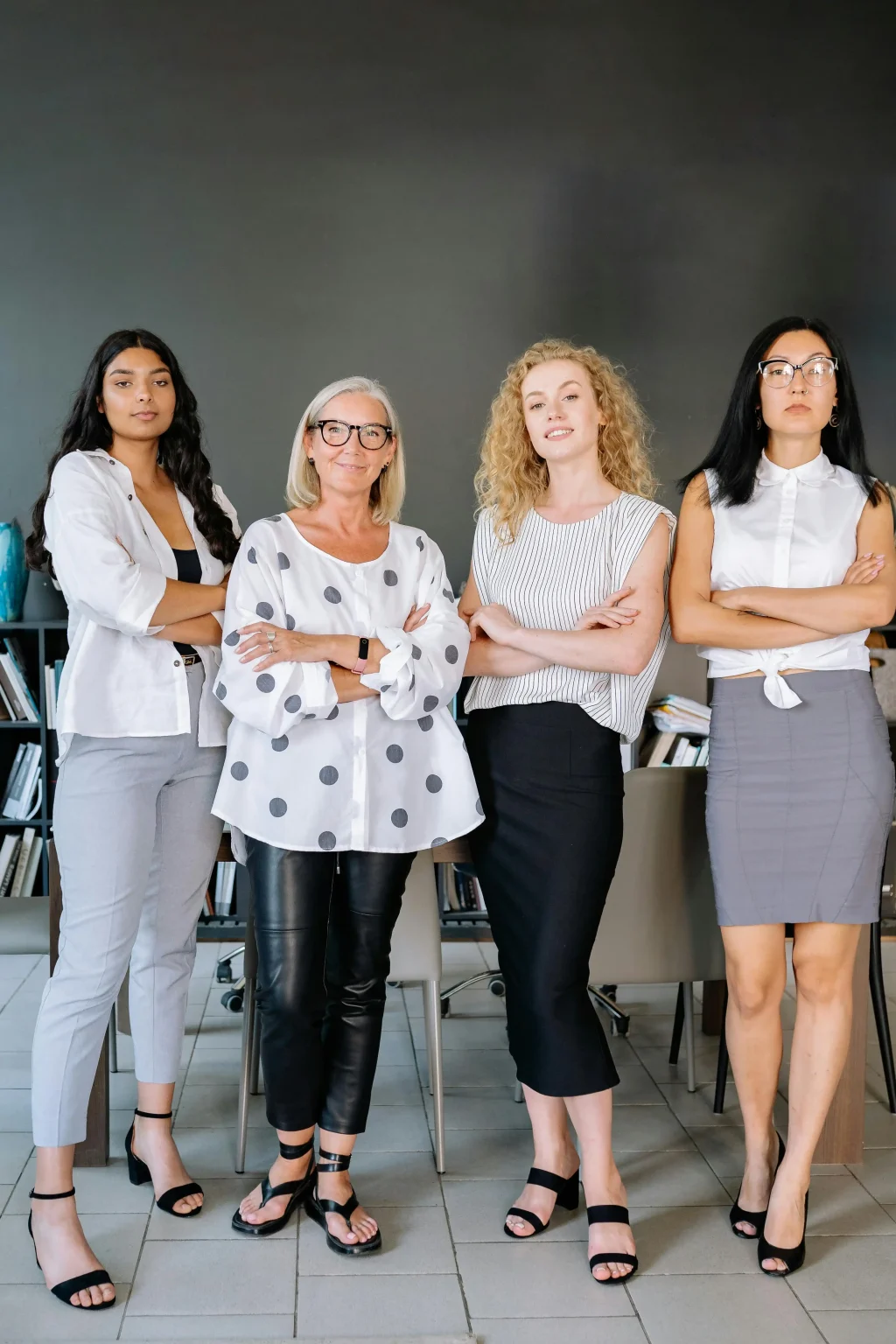
The 21st century has ushered in a transformative era for women across the globe. Female empowerment is no longer confined to discussions about equality in the workplace or politics—it encompasses personal growth, leadership, social influence, and redefining what it means to be strong. Women today are breaking barriers, challenging stereotypes, and reshaping society with resilience, creativity, and courage.
This article explores the evolution of female empowerment, the various ways women demonstrate strength today, the challenges they face, and practical strategies to support and amplify women’s voices in all areas of life.
Understanding Female Empowerment
Female empowerment refers to the process by which women gain agency, confidence, and resources to make decisions that affect their lives and communities. It goes beyond mere equality—it emphasizes opportunity, self-determination, and leadership. Empowerment can manifest in multiple ways:
- Economic empowerment: Access to education, career opportunities, and financial independence.
- Social empowerment: The ability to participate in community decisions and challenge social norms.
- Political empowerment: Women taking active roles in governance and policy-making.
- Personal empowerment: Building confidence, self-awareness, and the ability to make choices that align with personal goals and values.
In the 21st century, empowerment also intersects with technology, media, and social platforms, allowing women to amplify their voices, showcase talent, and inspire change on a global scale.
Women Redefining Strength in Modern Society
Strength is no longer defined solely by traditional markers of power or authority. Women today are demonstrating that true strength is multifaceted—it is mental, emotional, social, and physical.
1. Leadership and Career Advancement
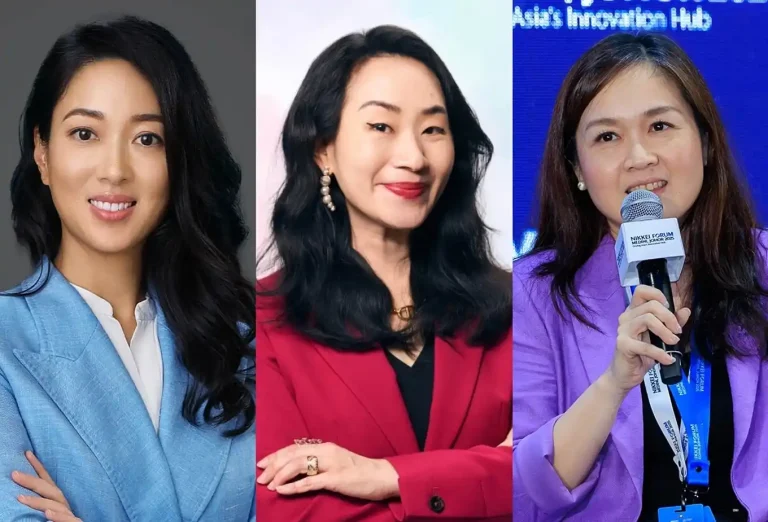
Women are taking the lead in industries traditionally dominated by men. From business executives to entrepreneurs and innovators, women are shaping economies and redefining leadership norms. Examples include:
- CEOs breaking glass ceilings and transforming corporate culture.
- Female entrepreneurs creating inclusive workplaces and driving innovation.
- Professionals leveraging mentorship and networking to foster collective growth.
These achievements prove that strength is not just about authority—it’s about vision, resilience, and the ability to inspire others.
2. Advocacy and Social Influence
Empowered women are using their platforms to advocate for social change, from gender equality to climate action and human rights. Activists, content creators, and public figures are showing that raising your voice can be as powerful as leading an organization. Social media, blogs, and podcasts provide avenues for women to reach audiences worldwide, creating communities of empowerment.
3. Emotional Resilience
Strength also means emotional resilience—the ability to overcome challenges, navigate setbacks, and maintain mental health. Women today are breaking the stigma around mental health, emphasizing the importance of therapy, self-care, and mindfulness. This form of empowerment encourages others to value their emotional well-being as a vital component of strength.
4. Breaking Stereotypes
Women are challenging outdated societal norms that limit opportunities based on gender. They are proving that strength comes in diverse forms, whether as stay-at-home mothers managing households, professionals balancing careers and family, athletes excelling in male-dominated sports, or creatives breaking traditional artistic boundaries.
This broad definition of strength shows that empowerment is inclusive and adaptable to personal contexts.
Challenges Women Still Face
Despite significant progress, women continue to face systemic barriers that require ongoing attention and action:
- Gender pay gap: Women still earn less than men in many industries, affecting financial independence and long-term wealth accumulation.
- Workplace bias: Stereotypes and discrimination can limit career growth, leadership opportunities, and recognition.
- Representation: Women remain underrepresented in politics, STEM fields, and senior leadership roles globally.
- Societal pressure: Expectations around appearance, behavior, and family roles continue to affect women’s ability to pursue personal and professional goals freely.
Addressing these challenges is essential for creating a truly empowering environment for women worldwide.
Strategies for Supporting Female Empowerment
Promoting female empowerment requires action at multiple levels—from personal development to societal change. Here are some strategies:
1. Education and Skill Development
Access to education is the cornerstone of empowerment. Encouraging women to pursue learning opportunities, vocational training, and continuous professional development enables independence and confidence.
2. Mentorship and Networking
Mentorship programs provide guidance, encouragement, and opportunities for women to navigate career paths and leadership roles. Networking also helps create supportive communities, amplify voices, and open doors to new ventures.
3. Representation Matters
Showcasing women in leadership positions, media, politics, and STEM roles encourages younger generations to aspire to leadership and innovation. Representation normalizes women’s presence in all sectors, reinforcing empowerment as achievable and attainable.
4. Encouraging Financial Independence
Financial literacy and access to economic resources are crucial for empowerment. Women who control their finances gain autonomy over career choices, investments, and personal decisions.
5. Advocating for Policy Change
Governments, institutions, and organizations must implement policies that support gender equality, such as parental leave, equal pay, anti-discrimination measures, and safety in the workplace. Collective advocacy strengthens systemic change for future generations.
6. Self-Care and Personal Development
Empowerment begins with self-awareness and self-care. Encouraging women to prioritize mental health, physical well-being, and personal goals creates a strong foundation for professional and social empowerment.
Technology and Female Empowerment
Digital tools and social media have transformed how women connect, create, and lead:
- Social media activism: Platforms allow women to share experiences, raise awareness, and mobilize communities.
- Online learning: Access to online courses, webinars, and mentorship programs removes geographic and financial barriers.
- Entrepreneurial opportunities: E-commerce, freelancing, and content creation empower women to build businesses and financial independence.
Technology has become a force multiplier for female empowerment, enabling women to amplify their impact and break traditional barriers.
Inspiring Examples of Female Empowerment
Across industries and cultures, women are redefining strength and inspiring change:
- Ava DuVernay: A filmmaker advocating for representation and social justice through her art.
- Malala Yousafzai: An education activist whose courage has empowered millions of girls worldwide.
- Serena Williams: A sports icon breaking barriers in tennis while advocating for women’s rights and entrepreneurship.
- Jacinda Ardern: Former New Zealand Prime Minister, exemplifying empathetic leadership and resilience.
These women demonstrate that strength is multifaceted, combining courage, creativity, advocacy, and leadership.
The Future of Female Empowerment
Female empowerment in the 21st century is evolving beyond traditional definitions of success. The future is likely to focus on:
- Intersectionality: Recognizing diverse experiences of women across race, class, and background.
- Collaborative leadership: Emphasizing inclusivity, empathy, and shared decision-making.
- Global connectivity: Leveraging technology to create global movements for change.
- Sustainable empowerment: Ensuring long-term access to education, healthcare, and opportunities for all women.
Empowerment is no longer about competing within patriarchal frameworks—it is about redefining strength, creating opportunities, and fostering collective progress.
Conclusion: Redefining Strength for Today and Tomorrow
Female empowerment in the 21st century is a dynamic, evolving concept. Women today demonstrate strength in leadership, advocacy, emotional resilience, and social influence, breaking barriers while inspiring future generations. Empowerment is not a one-size-fits-all model—it is personal, cultural, and multifaceted.
By supporting education, mentorship, representation, financial independence, and inclusive policies, society can foster a world where women thrive. As women continue to redefine strength, they are not only achieving personal success—they are reshaping culture, communities, and global progress.
Ultimately, female empowerment is about choice, agency, and the courage to redefine norms, ensuring that women of today and tomorrow can live, lead, and succeed on their own terms.