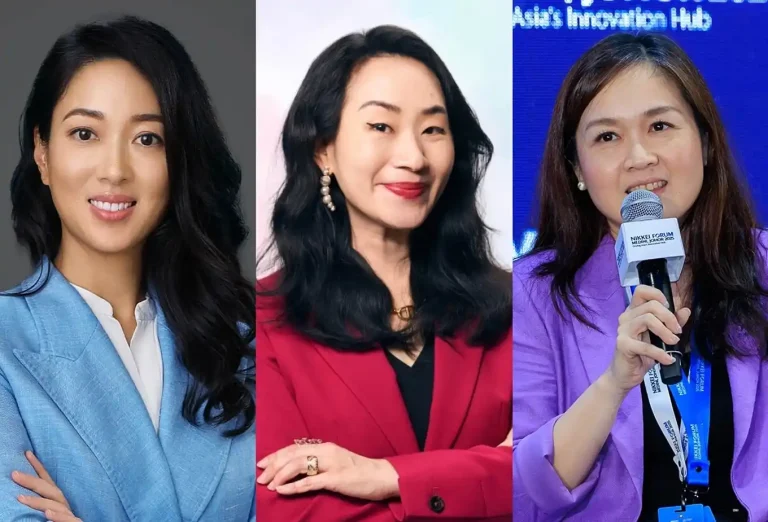
Female empowerment, once a term primarily associated with historical women’s suffrage movements, has evolved dramatically in the 21st century. Today, it’s far more than a buzzword; it’s a dynamic, multifaceted process encompassing a global movement to uplift women and girls, ensuring their full participation and thriving in every sphere of life. This contemporary understanding moves beyond mere equality—the idea of equal rights and opportunities—to embrace equity, which acknowledges historical disadvantages and systemic barriers, striving for outcomes that are just and truly empowering. It recognizes that for women to truly flourish, societal structures, cultural norms, and individual mindsets must undergo fundamental transformations. From boardrooms to ballot boxes, from digital spaces to local communities, the journey of female empowerment in this generation is about dismantling systemic obstacles, amplifying diverse voices, and fostering profound personal agency.
The Pillars of 21st-Century Female Empowerment
The modern push for female empowerment rests on several interconnected pillars, each crucial for holistic progress:
1. Economic Empowerment: At its core, economic empowerment means ensuring women have equal access to, control over, and benefit from resources, opportunities, and income. This involves tackling persistent issues like the gender pay gap, where women globally still earn significantly less than men for comparable work. It extends to breaking glass ceilings in corporate leadership, fostering female entrepreneurship, and ensuring access to financial literacy, capital, and markets. When women are financially independent and can make their own economic decisions, they gain greater autonomy, improved well-being for themselves and their families, and contribute significantly to national and global economies. Research consistently shows that economies grow faster when more women participate in the workforce and hold leadership positions.
2. Political Empowerment: This pillar focuses on increasing women’s representation and influence in political processes and decision-making bodies at all levels, from local councils to national parliaments and international organizations. It’s about ensuring women’s voices are heard and reflected in policy-making, advocating for legislation that addresses women’s rights, and challenging systemic barriers to their political participation. Beyond simply voting, it involves active civic engagement, advocating for gender quotas where necessary, and fostering environments where female leaders can thrive without facing undue scrutiny or discrimination. The presence of women in political leadership often leads to policies that better serve the needs of diverse populations.
3. Educational Empowerment: Access to quality education is a foundational right and a powerful catalyst for empowerment. This pillar emphasizes ensuring girls and women have equal opportunities to learn, from primary school through higher education, including traditionally male-dominated fields like STEM (Science, Technology, Engineering, and Mathematics). Education equips women with the knowledge, skills, and critical thinking abilities necessary to pursue meaningful work, make informed life choices, and challenge societal norms. Beyond formal schooling, it includes lifelong learning, digital literacy, and vocational training, all of which are essential for navigating a rapidly changing world and securing economic opportunities.
4. Social & Cultural Empowerment: This is perhaps the broadest and most pervasive pillar, addressing the deep-seated cultural norms, stereotypes, and biases that constrain women’s lives. It involves challenging harmful media representations, promoting body positivity and self-acceptance, advocating for reproductive rights and comprehensive healthcare, and creating environments free from gender-based violence, sexual harassment, and discrimination. Social empowerment means dismantling patriarchal structures and ingrained prejudices that dictate women’s roles, limit their choices, and deny their autonomy. It fosters a culture where women are valued for their diverse talents and contributions, rather than confined by outdated expectations.
5. Personal Agency & Autonomy: Ultimately, empowerment culminates in a woman’s enhanced sense of self-worth, her ability to determine her own choices, and her right to influence social change for herself and others. This personal agency is about having control over one’s body, life, and future. It encompasses mental and emotional well-being, the ability to set boundaries, develop emotional intelligence, and cultivate resilience in the face of adversity. True empowerment means not just having opportunities, but also the confidence and internal strength to seize them, to speak one’s truth, and to define success on one’s own terms.
The Indispensable Role of Intersectionality
A crucial evolution in 21st-century female empowerment is the central role of intersectionality. Coined by legal scholar Kimberlé Crenshaw, intersectionality highlights that various forms of inequality—such as race, class, gender identity, sexual orientation, disability, and religion—do not operate in isolation. Instead, they intersect and compound, creating unique and often more severe forms of oppression for individuals who hold multiple marginalized identities.
For female empowerment to be truly meaningful, it must be intersectional. This means:
- Acknowledging Diverse Experiences: Understanding that the challenges faced by a Black woman, a disabled queer woman, an Indigenous woman, or a low-income migrant woman are distinct from those faced by a white, cisgender, affluent woman. Their pathways to empowerment must address the specific “interlocking” systems of oppression they encounter.
- Centering Marginalized Voices: Prioritizing the lived experiences and leadership of women from the most marginalized groups, ensuring that solutions and policies are built from their unique perspectives and needs. This prevents a “one-size-fits-all” approach that might inadvertently leave some women behind.
- Building Inclusive Movements: Creating movements that actively combat racism, ableism, homophobia, transphobia, and classism within the fight for gender equality. True female empowerment champions all women, recognizing that the liberation of the most marginalized lifts everyone.
The Digital Age: Opportunities and Challenges
The digital revolution has profoundly impacted the landscape of female empowerment, presenting both unprecedented opportunities and significant challenges for this generation.
Opportunities:
- Global Connection and Solidarity: Social media platforms allow women to connect across borders, share experiences, mobilize for causes, and build powerful global solidarity networks (e.g., #MeToo, #TimesUp). This can amplify voices and create collective action on an unimaginable scale.
- Access to Information and Education: Online learning platforms, digital libraries, and social media groups provide unparalleled access to educational resources, skill-building opportunities, and vital information about health, rights, and economic opportunities, particularly for women in remote or underserved areas.
- Economic Opportunities: E-commerce platforms, remote work, and the gig economy offer women flexible income-generating opportunities, allowing them to participate in the workforce even with caregiving responsibilities, and to build businesses that reach global markets.
- Voice and Advocacy: Digital spaces empower women to speak out against injustice, share their stories, and challenge harmful narratives, bypassing traditional media gatekeepers.
Challenges:
- Online Harassment and Cyberbullying: Women, particularly those in public-facing roles or engaged in advocacy, disproportionately face online harassment, cyberstalking, and gender-based violence in digital spaces, which can silence voices and cause significant psychological harm.
- Misinformation and Disinformation: The spread of misogynistic narratives and anti-women’s rights propaganda online can undermine empowerment efforts and reinforce harmful stereotypes.
- Digital Divide: Disparities in access to technology, internet connectivity, and digital literacy (especially in developing countries or rural areas) can exacerbate existing inequalities, leaving some women further behind.
- AI Bias: As artificial intelligence becomes more prevalent, the risk of gender and intersectional biases embedded in algorithms can perpetuate discrimination in areas like hiring, lending, and healthcare.
Navigating this dual reality requires robust digital literacy, fostering safe online spaces, and advocating for policies that promote digital inclusion and protect women from online harm.
Empowerment in Action: Real-World Examples
Female empowerment is not just a theoretical concept; it’s tangible action unfolding daily across the globe:
- Grassroots Movements: From local women’s cooperatives providing micro-loans in rural communities to community-led initiatives combating gender-based violence, grassroots efforts are building empowerment from the ground up, often led by the very women they serve.
- Corporate Initiatives: Many progressive companies are implementing strategies to achieve gender pay equity, increase female representation in leadership (e.g., through mentorship and sponsorship programs), offer flexible work arrangements, and provide robust parental leave policies, recognizing that diverse teams drive innovation and profitability.
- Policy and Legal Reforms: Advocacy groups and empowered female politicians are pushing for legislative changes, such as stronger laws against workplace discrimination, comprehensive sexual and reproductive health services, protection from domestic violence, and equitable access to land and property rights.
- Individual Acts of Agency: Empowerment also manifests in countless individual acts of courage: a young woman choosing education over early marriage, an entrepreneur launching a business against societal odds, an artist challenging gender stereotypes through her work, or simply a woman setting healthy boundaries in her personal life.
The Path Forward: Collective Action and Individual Responsibility
The journey toward full female empowerment is ongoing and requires sustained effort from all corners of society.
- Allyship and Male Engagement: True empowerment cannot be achieved by women alone. It requires active allyship from men who are willing to challenge patriarchal norms, advocate for gender equality in their spheres of influence, and dismantle systems of privilege.
- Mentorship and Sponsorship: Establishing robust mentorship programs and fostering sponsorship relationships is crucial for guiding and championing women’s professional and personal growth, particularly in fields where they are underrepresented.
- Policy and Legal Reform: Continued pressure for systemic changes through legislation and policy reform is vital to create a truly equitable society where opportunities are guaranteed, and discrimination is actively prevented and punished.
- Continuous Self-Reflection and Growth: For individuals, female empowerment is also an internal journey. It involves continuous learning, challenging internalized biases, prioritizing mental and physical well-being, and cultivating a strong sense of self-worth and purpose.
- Intergenerational Dialogue: Fostering conversations between older generations of women who paved the way and younger generations who are forging new paths ensures that lessons are learned, and momentum is maintained.
Female empowerment in the 21st century is a dynamic, complex, and deeply personal and collective journey. It’s about recognizing the inherent worth and potential of every woman, dismantling the barriers that hold her back, and creating a world where she can define her own destiny and contribute her unique talents to the fullest. As the tide of empowerment continues to rise, it lifts all boats, promising a more just, prosperous, and equitable future for everyone.