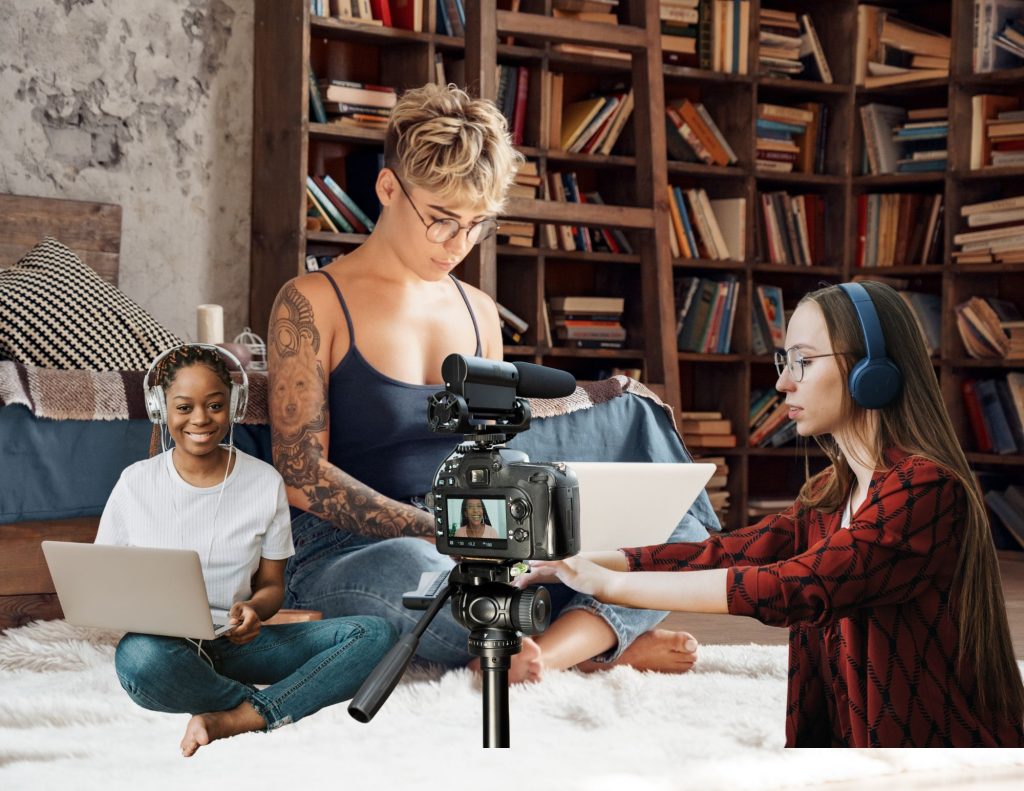
In 2026, side hustles are no longer treated as optional experiments or short-term passion projects. For many younger audiences, they have become a practical part of financial planning, shaped by rising costs of living, digital opportunity, and the increasing accessibility of online tools that make earning income outside traditional employment more realistic than ever.
What used to be framed as “extra income” is now often viewed as structural income flexibility. Instead of relying on a single source of earnings, many people are building multiple small revenue streams that together create stability in unpredictable economic conditions.
This shift is closely tied to how work itself has changed. Remote platforms, freelance marketplaces, creator tools, and digital commerce systems have lowered the barrier to entry for independent income generation. A laptop or smartphone can now function as a distribution point for services, content, or products.
The definition of work has expanded beyond traditional employment. Side hustles now include freelance design, content creation, tutoring, consulting, digital products, e-commerce, affiliate marketing, short-form media, and micro-services delivered through online platforms.
A major factor driving this trend is financial uncertainty. Younger generations are increasingly aware that depending on a single income stream can feel limiting in volatile job markets. Side income provides a sense of buffer and adaptability, even if it starts small.
At the same time, platform design has made monetization more accessible. Social media networks, digital marketplaces, and payment systems are increasingly integrated, allowing users to turn attention, skills, or niche knowledge into revenue without requiring complex infrastructure.
Creator ecosystems in particular have transformed expectations. People no longer need massive audiences to generate income. Even small but highly engaged communities can support subscription models, digital products, or service-based businesses.
This has also changed how people view skill development. Instead of separating hobbies and income, many individuals now explore ways to monetize personal interests gradually. Creative skills, technical knowledge, and lifestyle content can all become income sources when paired with consistent output and audience engagement.
However, this expansion comes with pressure. The same systems that make income accessible also encourage constant activity. Many individuals feel pressure to maintain multiple streams simultaneously, balancing full-time work, personal life, and side projects.
There is also an emotional component. Side hustles often represent autonomy. They offer a sense of control over income, creativity, and direction that traditional employment does not always provide. This independence is a major reason the trend continues to grow even when earnings begin modestly.
At the same time, not all side hustles scale equally. Many remain small or experimental, and sustainability often depends on consistency, audience retention, and adaptability over time. The most successful approaches tend to evolve gradually rather than relying on rapid growth.
Importantly, this trend is not limited to any single industry or platform. It spans digital services, physical products, content ecosystems, and hybrid models that combine multiple income sources. The flexibility of modern tools allows individuals to experiment quickly and adjust based on performance.
Ultimately, “Why Side Hustles Are Becoming Essential In 2026” reflects a broader economic and cultural shift: work is no longer defined by one employer or one role, but increasingly by a portfolio of activities that together create stability, opportunity, and financial resilience in a rapidly changing digital economy.