For a long time, emotional labor was invisible—and expected. Women were conditioned to smooth tensions, anticipate needs, soften messages, and absorb discomfort so others wouldn’t have to. Today, that expectation is being named, recognized, and increasingly rejected. Managing everyone else’s feelings is no longer seen as kindness; it’s seen as unpaid work.
This cultural shift is rooted in awareness. Women are identifying how often they’re asked to translate emotions, de-escalate conflict, and maintain harmony in workplaces, families, friendships, and online spaces. The realization is simple but powerful: constantly regulating other people’s emotions comes at a personal cost. Energy, time, and mental health are finite resources.
Online conversations reflect this change. Across platforms like Instagram, TikTok, and X, women are openly discussing boundaries, burnout, and the decision to stop over-explaining or cushioning the truth. Content that validates opting out of emotional caretaking resonates deeply—because it names a shared experience.
Rejecting emotional labor doesn’t mean rejecting empathy. It means refusing responsibility for emotions that aren’t yours to manage. Women are learning that discomfort isn’t always a problem to fix and that other people’s reactions don’t automatically require intervention. Letting silence exist. Letting others sit with their feelings. These choices are becoming acts of self-respect.
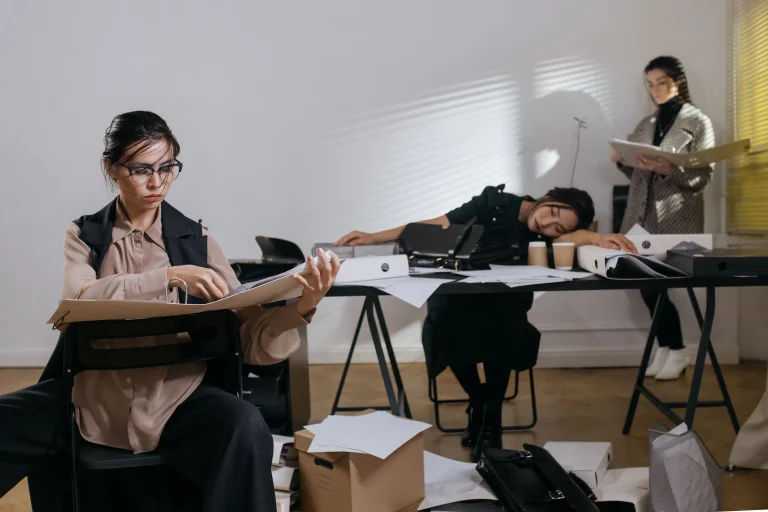
This shift is especially visible in professional settings. Women are no longer volunteering to be the “office therapist,” the mediator, or the emotional buffer. Clear communication is replacing emotional cushioning. Boundaries are replacing burnout. And saying “that’s not my responsibility” is no longer framed as rude—it’s framed as healthy.
There’s also a generational element. Younger women are quicker to disengage from emotional obligations that don’t align with their values. They are less willing to perform likability at the expense of clarity. Emotional availability is becoming selective, not default.
Ultimately, this movement isn’t about hardness—it’s about fairness. Emotional labor has long been unevenly distributed, and women are choosing to rebalance that scale. By stepping back from managing everyone else’s feelings, they’re reclaiming space for their own.