Success in 2026 is no longer viewed as purely internal—driven by discipline, motivation, or talent alone. Instead, there’s a growing understanding that output is deeply influenced by environment. The spaces people work, live, and move through are being intentionally designed to support focus, reduce friction, and stabilize performance. The idea is simple but powerful: controlled environments create controlled output.
This shift reflects a more systems-oriented mindset. Rather than relying on willpower to overcome distractions, people are removing distractions altogether. Workspaces are being simplified, notifications are minimized, and physical surroundings are curated to promote clarity. Clean desks, neutral tones, minimal clutter, and designated zones for specific activities are becoming standard, not aesthetic choices but functional ones. The goal is to make the desired behavior—focus, productivity, creativity—the easiest behavior to execute.
The connection between environment and efficiency is both psychological and practical. Visual noise, constant interruptions, and disorganized spaces demand cognitive energy, even when people aren’t consciously aware of it. Over time, this drains attention and reduces the quality of output. By contrast, structured, calm environments reduce decision fatigue and allow the brain to operate more efficiently. When everything has a place and a purpose, mental bandwidth is freed up for higher-level thinking.
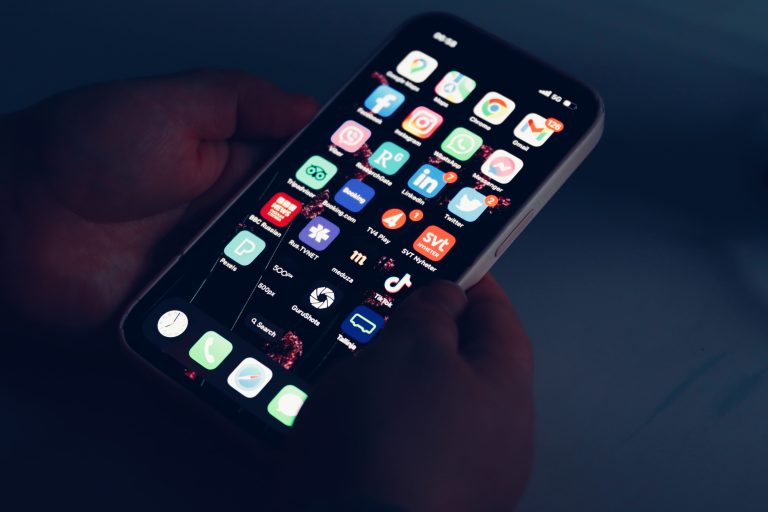
Digital environments are just as important. In a world dominated by screens, people are restructuring their online spaces to mirror the same intentionality as their physical ones. This includes organizing files, limiting open tabs, using focus modes, and curating what content they consume. The aim is to reduce digital clutter in the same way one would declutter a room. Fewer distractions online translate directly into more sustained attention and better performance.
There’s also a growing emphasis on environment as a trigger for behavior. People are designing spaces that cue specific actions: a workspace that signals focus, a corner for reading or reflection, a separate area for relaxation. These physical cues help the brain switch modes more easily, reducing the friction that often comes with starting or stopping tasks. Over time, these associations strengthen, making productivity and recovery feel more automatic.
This trend aligns closely with broader conversations around burnout and sustainability. Instead of pushing harder within chaotic environments, individuals are choosing to optimize their surroundings to make consistent performance possible. Efficiency is no longer about squeezing more into the day—it’s about removing what doesn’t need to be there in the first place.
Technology is evolving alongside this mindset. Tools that block distractions, manage time, and create structured workflows are becoming essential parts of daily routines. But again, the emphasis is not on adding more—it’s on refining what already exists. The most effective environments are not overloaded with tools; they are streamlined to support specific outcomes.
Ultimately, the focus on environment reflects a deeper shift in how people approach success. It’s no longer about relying on bursts of motivation or reacting to external pressures. It’s about building conditions that make high-quality output inevitable. By controlling their surroundings—both physical and digital—people are gaining greater control over their performance. In 2026, success isn’t just about what you do. It’s about where—and how—you do it.