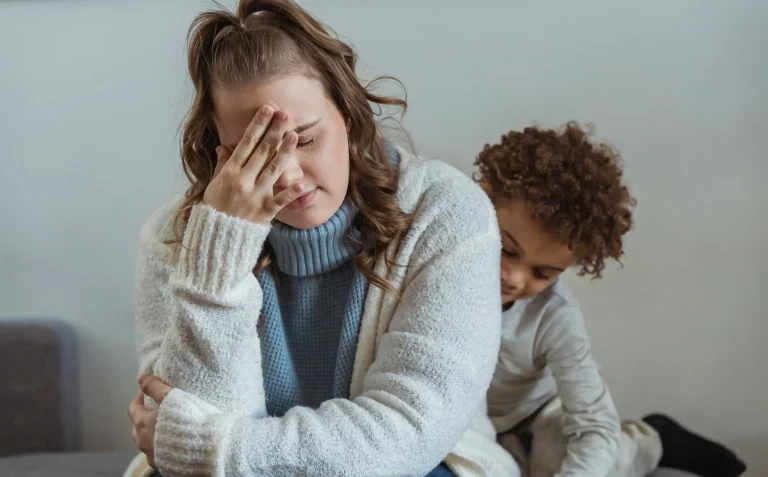
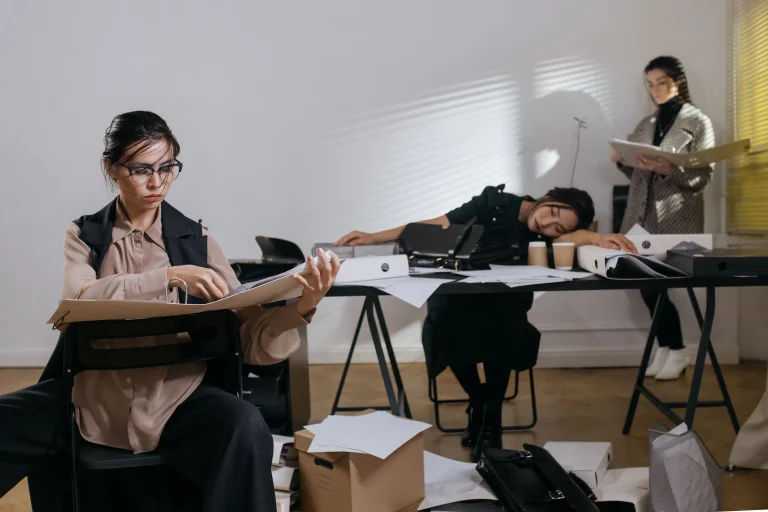
In the relentless hum of modern life, characterized by constant digital connectivity, demanding careers, and the perpetual pressure to juggle multiple roles, many women find themselves teetering on the brink of exhaustion. The pervasive issues of anxiety, stress, and burnout are not merely inconveniences; they are silent epidemics impacting mental health. Yet, in this high-octane environment, an ancient, seemingly simple antidote is gaining renewed prominence: crafting. Far from being just a leisurely pursuit, engaging in activities like knitting, pottery, painting, quilting, or even intricate paper crafts offers a powerful, accessible, and deeply therapeutic path to mental wellness and stress reduction for contemporary women. It’s mindfulness in motion, a tangible way to quiet the mind, soothe the spirit, and reclaim a sense of calm and control amidst chaos.
The concept of mindfulness, often associated with meditation, is about bringing one’s full attention to the present moment, observing thoughts and feelings without judgment. While sitting still and meditating can be challenging for many, particularly those with busy minds or high anxiety, crafting offers an active, tactile form of mindfulness. The repetitive motions, the focus required, and the tangible outcome all work together to create a powerful calming effect on the brain.
How Crafting Cultivates Mental Wellness:
Reduces Stress and Anxiety:
- Repetitive Motions: Activities like knitting, crocheting, or repetitive brushstrokes in painting create a rhythmic, almost meditative state. This repetitive action helps calm the nervous system, lower heart rate, and reduce cortisol (the stress hormone).
- Flow State: When deeply engrossed in a craft, individuals often enter a “flow state”—a highly focused mental state where one is completely immersed in an activity, losing track of time and external worries. This is incredibly restorative and provides a break from rumination and negative thought patterns.
- Sense of Control: In a world where so much feels out of control, crafting provides a sphere where women have complete agency. They choose the colors, the patterns, the techniques, and dictate the pace. This sense of mastery and control can be deeply empowering.
Boosts Mood and Combats Depression:
- Dopamine Release: Completing a project, even a small one, triggers a release of dopamine, the “reward” chemical in the brain, fostering feelings of accomplishment and pleasure. This positive feedback loop can be a powerful antidote to feelings of hopelessness associated with depression.
- Creative Expression: Crafting provides a non-verbal outlet for emotions and creativity. Expressing oneself through art can be cathartic and contribute to a sense of purpose and identity.
- Tangible Results: Unlike many abstract tasks, crafting results in a physical, tangible object. Seeing and holding something you’ve created provides concrete evidence of your effort and skill, boosting self-esteem.
Enhances Focus and Concentration:
- Digital Detox: Crafting forces a break from screens and the constant barrage of notifications. This digital detox allows the mind to rest from fragmented attention and improve sustained focus.
- Problem-Solving Skills: Many crafts involve problem-solving (e.g., correcting a dropped stitch, planning a quilt layout, fixing a wobbly pot). This engages the brain in a productive, stimulating way that builds cognitive resilience.
Fosters Connection and Reduces Isolation:
- Community Building: Crafting often leads to participation in local classes, craft groups, or online communities. These connections provide social support, shared interests, and a sense of belonging, which are vital for mental health, especially for women who often feel isolated by their various roles.
- Shared Learning: Learning new techniques from others or teaching skills creates meaningful interactions and strengthens bonds.
Develops Resilience and Patience:
- Embracing Imperfection: Crafts often require patience, trial and error, and the acceptance of imperfections. This process teaches resilience and a growth mindset, transferable skills for navigating life’s challenges.
- Delaying Gratification: Large projects require sustained effort over time, teaching the value of delayed gratification and perseverance.
Integrating Crafting into a Busy Life:
For modern women, finding time for crafting can seem like another task on an already overflowing plate. However, even small, consistent efforts can yield significant benefits:
- Micro-Crafting: Dedicate 15-30 minutes a day to a craft. Even small bursts of focused activity can reduce stress.
- Portable Projects: Choose crafts that are easily transportable (e.g., knitting, embroidery) for commutes, waiting rooms, or quiet moments.
- No Pressure, Just Process: Release the pressure for a perfect outcome. Focus on the joy of the process, the rhythm, and the sensory experience.
- Designate a Craft Space: Even a small corner can become a sacred space for creative work, signaling to your brain that it’s time to unwind.
- Join a Group: Committing to a class or a regular craft meet-up provides structure and social accountability.
The return to crafting for mental wellness is a quiet revolution. It’s a recognition that amidst the demands of the digital age, humans still crave tactile engagement, creative expression, and moments of focused calm. For modern women, who often bear the brunt of societal pressures, crafting offers not just a hobby, but a vital tool for self-care, a path to mindfulness in motion, and a powerful way to stitch together a more resilient, joyful, and balanced life, one thoughtful stitch or brushstroke at a time. It’s a powerful reminder that sometimes, the most profound peace is found not in stillness, but in purposeful creation.