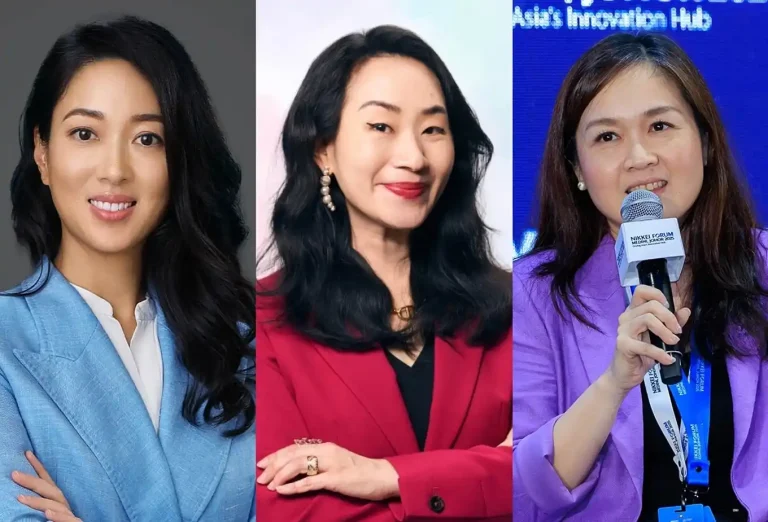
In the 21st century, the landscape of leadership is undergoing a profound and necessary transformation, largely driven by the increasing presence and influence of women at the helm across every sector. From corporate boardrooms and political chambers to entrepreneurial ventures and social impact organizations, women are not just filling positions once exclusively held by men; they are actively redefining leadership itself. This shift is challenging traditional power dynamics, fostering more inclusive cultures, and proving that diverse leadership is not just an ethical imperative but a strategic advantage. Understanding this evolution means recognizing the unique strengths women bring, the persistent challenges they face, and the critical role of mentorship and sponsorship in accelerating their ascent.
For centuries, leadership models were predominantly shaped by masculine ideals: hierarchical, assertive, competitive, and often characterized by a command-and-control approach. Women who entered these spaces were often expected to either assimilate into these existing models, sometimes termed “women with moustaches,” or face skepticism if they brought a different style. However, research and real-world experience are increasingly demonstrating that leadership, when diversified, yields richer outcomes. Women leaders often bring qualities that are now recognized as essential for navigating today’s complex, interconnected world.
The Evolving Nature of Female Leadership:
1. Collaborative and Inclusive Approaches: Studies consistently show that women leaders tend to favor more collaborative and inclusive decision-making processes. They are often adept at building consensus, valuing diverse perspectives, and fostering psychological safety within their teams. This approach cultivates environments where innovation thrives, employees feel heard, and collective intelligence is maximized, leading to more robust and sustainable solutions. It moves away from rigid hierarchies towards more fluid, network-based structures.
2. Empathy and Emotional Intelligence: While stereotypes once dismissed “emotional” leadership, today, emotional intelligence (EQ) is recognized as a critical leadership trait. Women often excel in this area, demonstrating high levels of empathy, self-awareness, and the ability to understand and manage emotions – both their own and those of others. This allows them to connect more deeply with employees, build stronger relationships, resolve conflicts more effectively, and inspire loyalty and commitment.
3. Transformational Leadership: Many women leaders adopt a transformational leadership style, focusing on inspiring and motivating their teams to achieve higher levels of performance and personal growth. This involves empowering individuals, delegating effectively, and nurturing talent, rather than simply dictating tasks. This approach not only boosts productivity but also enhances employee satisfaction and retention, creating a more dynamic and engaging work culture.
4. Resilience and Adaptability: Women who reach leadership positions often do so having navigated numerous systemic barriers, from gender bias to the “double bind” (being perceived as either “too soft” or “too aggressive”). This journey often cultivates exceptional resilience, grit, and adaptability – qualities essential for leading through periods of rapid change, uncertainty, and crisis. They are often adept at pivoting, learning from setbacks, and guiding their organizations through turbulent times.
5. Purpose-Driven and Socially Conscious Leadership: There’s a growing trend among women leaders to infuse their work with a strong sense of purpose and social responsibility. Whether in business, non-profits, or government, many are driven by a desire to create positive societal impact, championing ethical practices, sustainability, and diversity. This focus on broader impact resonates deeply with today’s socially conscious workforce and consumer base.
Persistent Challenges on the Path to the Helm:
Despite these strengths and the undeniable progress, women still face significant systemic barriers:
- The Glass Ceiling and Glass Cliff: While more women are reaching leadership roles, the “glass ceiling” persists, particularly at the highest echelons (e.g., CEO roles, head of state). Furthermore, women are often appointed to “glass cliff” positions—leadership roles that are precarious and come with a higher risk of failure, especially during times of crisis.
- Unconscious Bias and Stereotypes: Deep-seated unconscious biases about women’s leadership capabilities, their commitment to career (especially if they are mothers), and their perceived “likability” continue to hinder their advancement and undermine their authority.
- Work-Life Imbalance and Caregiving Burden: Women disproportionately bear the brunt of caregiving responsibilities, which, coupled with a lack of supportive policies (e.g., universal childcare, equitable parental leave), often forces them to make difficult choices between career progression and family obligations.
- “Old Boys’ Networks” and Lack of Sponsorship: Informal networks and traditional power structures can exclude women from crucial opportunities, mentorship, and sponsorship. While mentorship provides guidance, sponsorship involves powerful individuals actively advocating for and opening doors for proteges. Women often have less access to these critical networks.
- Microaggressions and Harassment: Women leaders still frequently encounter subtle (and not so subtle) forms of sexism, microaggressions, and harassment in the workplace, which can erode confidence and create a hostile environment.
The Critical Role of Mentorship and Sponsorship:
To accelerate the ascent of women into leadership and ensure their sustained success, robust systems of mentorship and sponsorship are indispensable:
- Mentorship: Provides guidance, advice, and a sounding board. A mentor can help a woman navigate career challenges, develop new skills, and gain insights from someone with more experience. This is invaluable for professional development and building confidence.
- Sponsorship: This goes beyond advice. A sponsor is typically a senior, influential individual who uses their power and influence to advocate for a protégé. They actively promote their protégé for promotions, speak up for them in high-level meetings, provide access to key networks, and create tangible opportunities. For women, who are often overlooked for promotions or challenging assignments, sponsorship is often the missing link to breaking through the glass ceiling.
The Future of Leadership:
The 21st century demands leaders who are agile, empathetic, inclusive, and capable of navigating unprecedented complexity. Women leaders, with their often-distinct approaches and strengths, are uniquely positioned to meet these demands. Investing in female leadership means dismantling systemic barriers, fostering genuinely equitable workplaces, and actively promoting and sponsoring women into positions of power. It’s about recognizing that empowering women to lead transforms not just their own lives, but the very fabric of organizations, communities, and nations, creating a more just, innovative, and resilient world for everyone. The evolution of power dynamics is not just about bringing women to the table; it’s about rebuilding the table to ensure everyone has a rightful, impactful seat.