Introduction
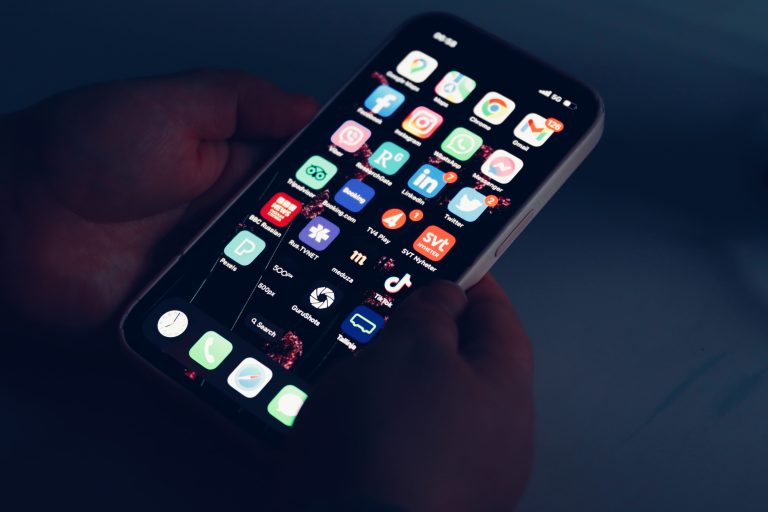
In the modern digital landscape, social media has become one of the most powerful tools for communication, influence, and self-expression. For women across the world, it has opened doors that were previously closed due to geographic, economic, or cultural barriers. Today, platforms such as Instagram, TikTok, and YouTube are not just entertainment spaces—they are global stages where women are building businesses, shaping narratives, and redefining empowerment.
Female empowerment in the digital age is no longer limited to traditional activism or institutional leadership. It now includes content creation, digital entrepreneurship, online education, and global advocacy driven by ordinary women with extraordinary voices. This shift has created a new era where influence is no longer controlled by a few but distributed across millions of users worldwide.
This article explores how social media is giving women a global voice, transforming industries, and reshaping the meaning of empowerment in the 21st century.
The Rise of the Digital Feminine Voice
Before the rise of social media, women often struggled to have their voices heard in mainstream media, politics, and business. Traditional gatekeepers controlled what stories were told and who got to tell them. However, the digital revolution has disrupted that structure.
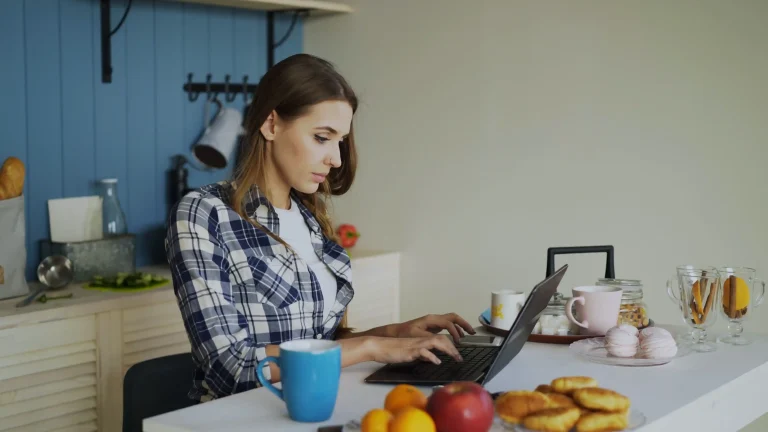
Today, a woman with a smartphone and internet connection can:
- Build a personal brand
- Start a business
- Educate others
- Speak out on social issues
- Influence global conversations
Platforms like Instagram and TikTok have become powerful storytelling tools where women share their experiences, challenges, and achievements without needing approval from traditional media institutions.
This democratization of voice has played a key role in female empowerment, allowing women from different cultures, backgrounds, and socioeconomic statuses to participate in global discourse.
Social Media as a Tool for Economic Empowerment
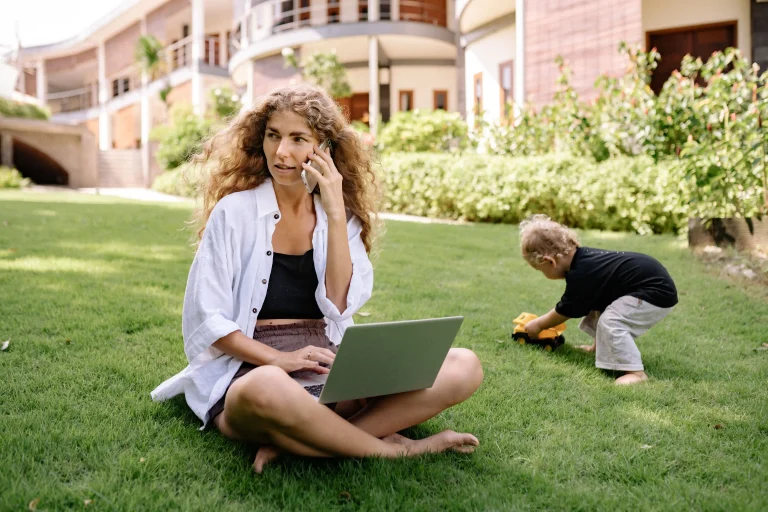
One of the most significant impacts of social media on female empowerment is financial independence. Women are no longer limited to traditional career paths. Instead, they are building digital careers and businesses directly from their phones.
Influencer Economy and Personal Branding
The influencer economy has created new income streams for women. Many female creators earn through:
- Brand sponsorships
- Affiliate marketing
- Digital products
- Online courses
- Content monetization
On platforms like YouTube, long-form educational content and entertainment videos allow women to earn revenue through ads and partnerships. Meanwhile, TikTok and Instagram enable rapid audience growth, helping creators build influence faster than ever before.
Small Business Growth
Social media has also become a major driver for female entrepreneurs. Women-led businesses in beauty, fashion, wellness, and digital services use platforms like Instagram to reach global audiences without needing physical stores.
This has been especially impactful in developing countries where traditional business infrastructure is limited. A simple online shop can now reach customers worldwide, reducing financial barriers for women entrepreneurs.
Education and Knowledge Sharing
Beyond business, social media has become a massive educational platform. Women are using digital tools to share knowledge on topics such as:
- Personal finance
- Health and wellness
- Career development
- Parenting
- Mental health awareness
Educational creators on YouTube have built entire communities around learning and self-improvement. Many female educators use the platform to simplify complex topics, making education more accessible to global audiences.
TikTok has also become a surprising source of “micro-learning,” where short videos teach everything from budgeting tips to skincare routines and productivity hacks.
This accessibility to information empowers women to make informed decisions about their lives, careers, and health.
Building Communities and Support Networks
One of the most powerful aspects of social media is its ability to connect people. Women across the globe are forming supportive online communities that transcend borders.
These communities provide:
- Emotional support
- Career advice
- Networking opportunities
- Shared experiences
- Mentorship
For example, Facebook groups, Instagram communities, and TikTok comment sections often become safe spaces where women encourage each other and share personal journeys.
This sense of digital sisterhood plays a crucial role in female empowerment, especially for women who may feel isolated in their offline environments.
Challenging Gender Stereotypes and Cultural Norms
Social media has also become a powerful tool for challenging outdated gender norms. Women are using their platforms to speak out against inequality, discrimination, and cultural expectations.
Hashtags and viral movements have helped amplify these messages globally. Campaigns advocating for equal pay, body positivity, and reproductive rights have gained massive traction online.
Through storytelling, women are reshaping narratives about what they can and cannot do. They are proving that success is not defined by traditional roles but by personal choice and capability.
The Role of Digital Activism
Digital activism has become a key part of modern female empowerment. Social media allows women to organize, mobilize, and raise awareness faster than ever before.
Movements advocating for women’s rights have gained momentum through viral content and online campaigns. These movements often start with a single post but grow into global conversations that influence policy, culture, and public awareness.
Unlike traditional activism, digital activism is:
- Fast
- Accessible
- Borderless
- Cost-effective
This makes it especially powerful for women who may not have access to traditional platforms of influence.
Challenges Women Face in the Digital Space
While social media has created opportunities, it also comes with challenges. Women in digital spaces often face:
Online Harassment
Many female creators experience harassment, trolling, and cyberbullying. This can discourage participation and limit expression.
Algorithm Bias
Platform algorithms sometimes favor certain types of content, making it harder for smaller female creators to gain visibility.
Pressure and Burnout
The demand for constant content creation can lead to stress, burnout, and mental health challenges.
Privacy Concerns
Sharing personal experiences online can expose women to safety risks and privacy violations.
Despite these challenges, many women continue to use social media as a tool for empowerment, finding ways to navigate and overcome these barriers.
The Future of Female Empowerment in the Digital Era
The future of female empowerment is deeply connected to digital innovation. As technology evolves, new opportunities will continue to emerge.
We are already seeing growth in:
- AI-driven entrepreneurship
- Remote work opportunities
- Digital education platforms
- Global online marketplaces
- Creator economy expansion
Women are expected to play a major role in shaping these industries. With increasing access to technology, more women will be able to build independent careers and global influence.
Governments, organizations, and tech companies are also beginning to recognize the importance of inclusive digital ecosystems that support female participation and leadership.
Conclusion
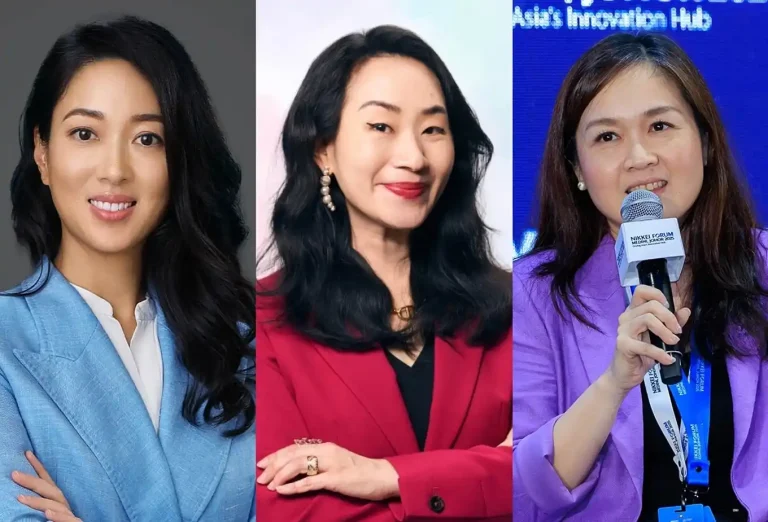
Social media has fundamentally changed the landscape of female empowerment. It has given women the ability to speak, earn, educate, and lead on a global scale. Platforms like Instagram, TikTok, and YouTube have transformed from simple entertainment apps into powerful tools for independence and influence.
While challenges such as harassment and inequality still exist, the overall impact of the digital age has been profoundly positive for women’s empowerment. It has created a world where voices that were once silenced can now reach millions.
The future of empowerment is digital, and women are at the center of this transformation—building communities, shaping culture, and redefining success on their own terms.