The beauty industry is undergoing a profound transformation. The days of a “one-size-fits-all” approach are over. Today’s consumers are more informed, health-conscious, and discerning than ever before. This shift has given rise to three major trends—clean beauty, personalized skincare, and the global influence of K-beauty—which together are creating a new blueprint for the industry. This article will explore each of these powerful forces and explain why they are not just passing fads, but the future of how we approach personal care.
The Power of Clean Beauty: A Movement Beyond Marketing
The clean beauty movement is more than a trend; it represents a fundamental change in consumer values. People are increasingly questioning what they put on their bodies, demanding products free from harmful chemicals, parabens, sulfates, and other controversial ingredients. This shift is driven by a desire for health and transparency. Consumers now read ingredient lists, research their concerns, and actively seek out brands that align with their ethical and environmental values.
This movement has forced the entire industry to adapt. Major retailers have responded by creating dedicated “clean beauty” sections, making it easier for customers to find products that meet their standards. In addition, certifications like those from CertClean or the Environmental Working Group have become a key selling point.
The focus on clean beauty extends beyond a product’s formula. It also includes a commitment to sustainability. Many clean beauty brands are embracing eco-friendly packaging, using refillable bottles, and sourcing their ingredients responsibly. This holistic approach resonates deeply with modern consumers who want to make a positive impact with their purchases. Consequently, the global market for natural and organic cosmetics is experiencing rapid growth, a clear signal that this trend has a lasting impact.
Hyper-Personalization: The Future of Your Skincare Routine
Today’s consumer knows that their skin is unique. Generic products can’t always address specific concerns like hyperpigmentation, sensitive skin, or anti-aging needs. This has paved the way for hyper-personalization, an exciting new frontier powered by technology.
The technology behind personalized beauty is both advanced and accessible. Brands are now using AI-powered skin analysis and augmented reality (AR) try-ons to create a custom experience. For instance, an AI tool can analyze a selfie to assess skin texture, hydration levels, and fine lines. Based on this data, it can recommend a tailored skincare routine with product suggestions designed for that individual’s unique needs.
This technology is not limited to online shopping. Some innovative brands offer custom-blended products. Customers might take an at-home skin test or answer a detailed quiz, and the brand then formulates a serum or moisturizer specifically for them. This level of customization improves a product’s efficacy and builds a stronger, more trusting relationship between the consumer and the brand.
Ultimately, personalization gives power back to the consumer. It transforms the shopping experience from a guessing game into a precise, data-driven process that delivers real results. This is especially true for Gen Z consumers, who expect tailored experiences and are willing to use new technology to achieve their desired outcomes.
K-Beauty’s Enduring Influence: Innovation Meets Ritual
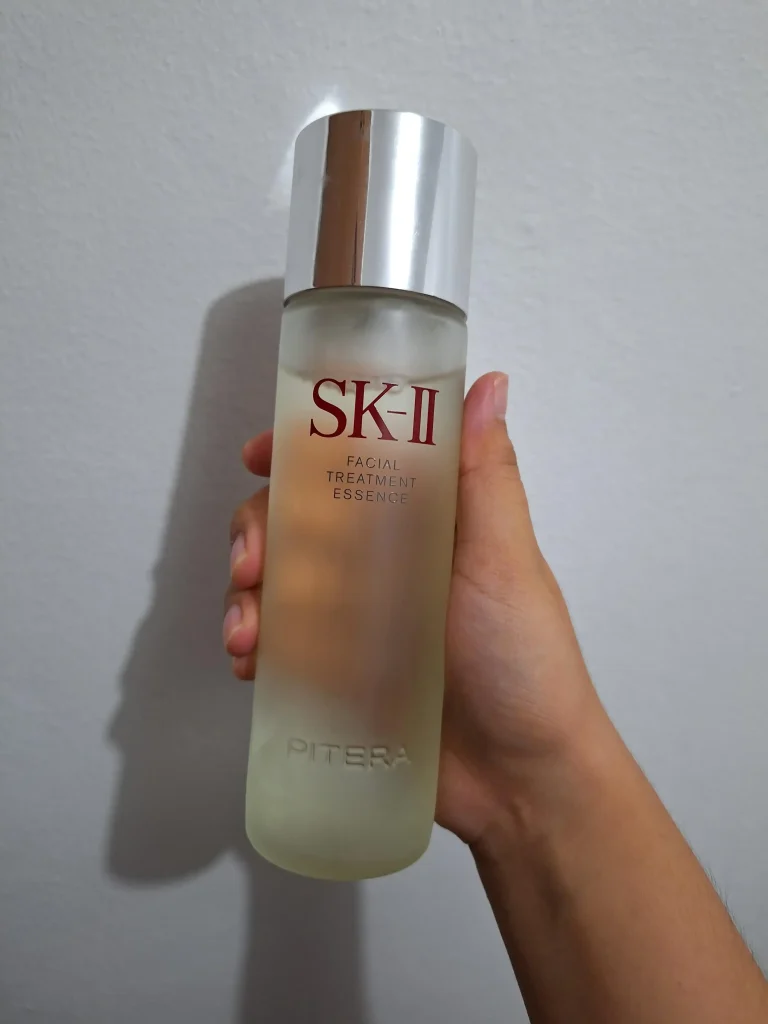
For years, the Korean beauty (K-beauty) industry has been at the forefront of global beauty innovation. Its philosophy, which prioritizes skincare and a healthy, glowing complexion over heavy makeup, has captivated a global audience. While “glass skin” remains a popular goal, K-beauty has evolved. It continues to influence the market with its unique blend of innovative formulas, gentle ingredients, and a deep appreciation for the skincare ritual.
1. The Core Philosophy of K-Beauty
The foundation of K-beauty is a belief in a multi-step routine that nurtures the skin. Unlike Western routines that traditionally focused on cleansing and moisturizing, K-beauty introduced the world to essences, ampoules, and sheet masks. These products are often packed with gentle but effective natural ingredients like green tea, snail mucin, and centella asiatica (cica), which are celebrated for their calming and healing properties.
2. K-Pop and Social Media as a Driving Force
The global popularity of K-beauty is undeniably linked to the rise of K-pop and K-dramas. Celebrities and idols openly share their skincare secrets, creating a sense of authenticity and trust with their fans. This social media-driven connection has made K-beauty accessible and aspirational. Fans want to achieve the same “no-makeup makeup” look and radiant complexion as their favorite stars. This influencer-driven marketing is a powerful tool that brands use to engage with a younger, digitally native audience.
3. The New Wave of K-Beauty Trends
K-beauty is not a static trend; it is constantly innovating. Recent developments include:
- Skip-Care: A more minimalist approach that combines the benefits of multiple products into a single, multi-functional product, like a serum-toner hybrid. This addresses the needs of busy consumers who want the benefits of a K-beauty routine without the time commitment.
- Waterless Skincare: This trend uses highly concentrated formulas without water. Products like solid cleansers or essence pads offer powerful active ingredients while also promoting sustainability by reducing water use and packaging.
- Next-Gen Ingredients: K-beauty continues to pioneer new ingredients, from fermented extracts to cutting-edge bio-technologies, which improve absorption and efficacy.
These innovations show that K-beauty is more than just a passing fad. It is a dynamic force that continues to push the boundaries of skincare science.
Conclusion: A New Blueprint for Beauty
The beauty industry’s future is being shaped by consumers who demand transparency, personalized solutions, and effective products that are a joy to use. The rise of clean beauty, the power of hyper-personalization, and the enduring influence of K-beauty all point to a new blueprint where brands must be authentic, innovative, and deeply connected to their audience. For businesses, this means moving beyond traditional marketing to build communities, embrace technology, and deliver products that truly make a difference. For consumers, it means a healthier, more customized, and more mindful approach to beauty than ever before.