Festival culture in 2026 is no longer centered around a single headline moment. Instead, it has evolved into what many are calling “experience stacking”—a way of designing trips and events around multiple layered moments rather than one main attraction. The focus has shifted from attending a singular festival, concert, or destination highlight to curating a sequence of experiences that feel interconnected, dynamic, and emotionally varied.
This shift reflects a broader change in how people define value in travel and leisure. Traditional travel once revolved around a destination: you went somewhere for a landmark, a beach, a city, or a specific event. Now, that model feels too narrow. People want density of experience. A weekend or trip is expected to include multiple touchpoints—music events, food discoveries, wellness activities, social moments, and downtime—each contributing to a layered sense of memory rather than a single peak.
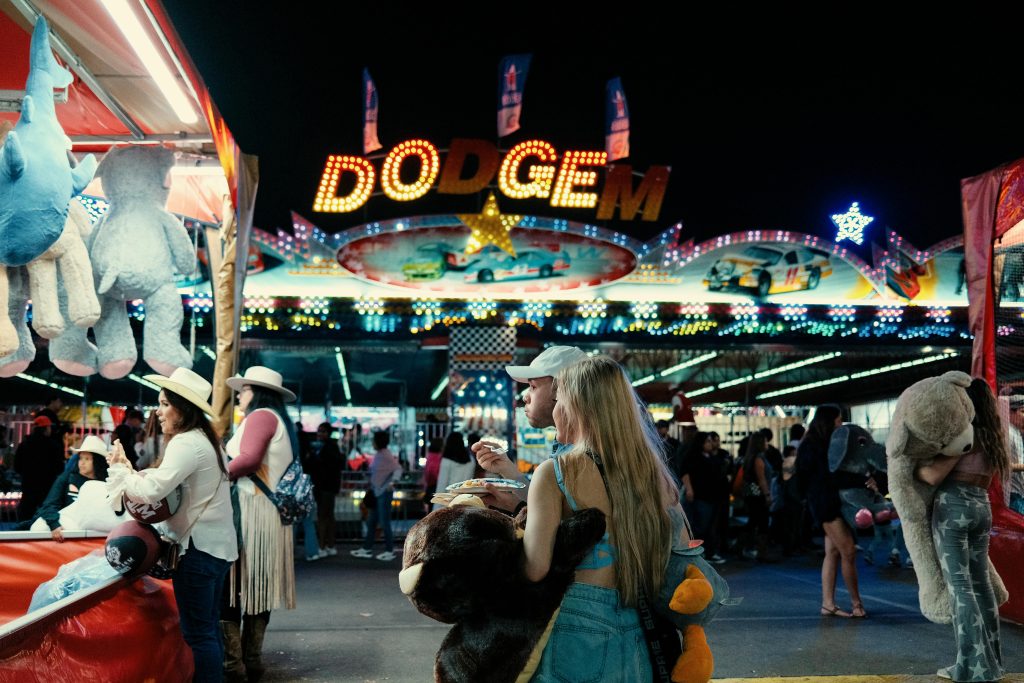
Festivals are adapting quickly to this expectation. Instead of being isolated events, they are becoming ecosystems. Daytime wellness sessions, nighttime performances, curated food spaces, pop-up installations, and interactive zones are all designed to extend engagement. Attendees move fluidly between environments, collecting moments rather than waiting for one defining highlight. The value is in variety, rhythm, and progression.
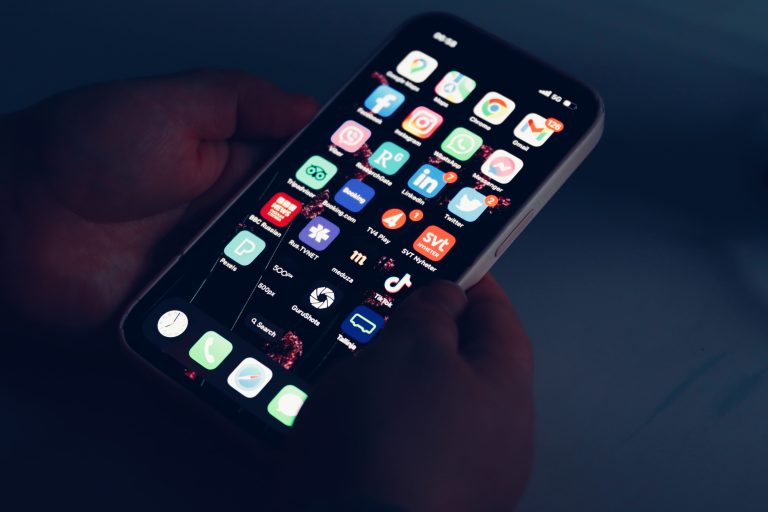
Social media has accelerated this transformation. Short-form content rewards diversity of experience—multiple clips, multiple visuals, multiple moods. A single event that offers only one type of experience struggles to sustain attention online. But an environment that produces varied, shareable moments keeps audiences engaged before, during, and after the experience. People don’t just post “I went here”—they post a sequence of micro-experiences that together form a narrative.
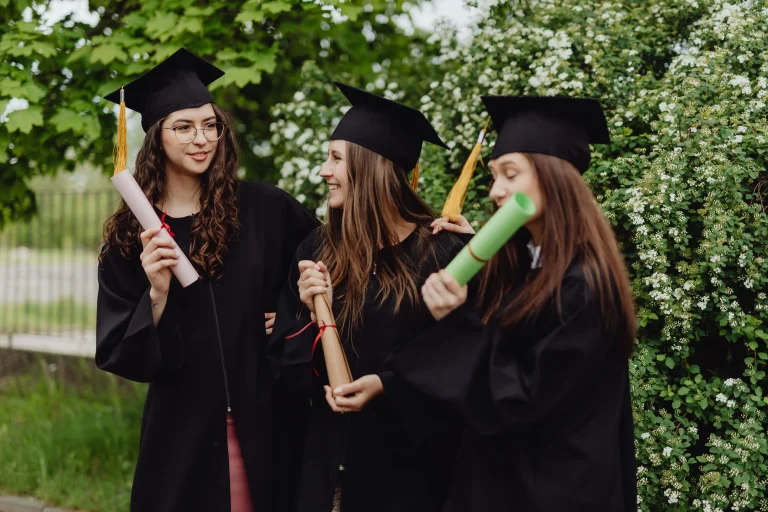
This has also changed expectations around travel. Instead of booking trips around one primary reason, people are designing itineraries that layer experiences intentionally. A city visit might include a festival, a wellness retreat, local food exploration, and curated social events. The goal is to maximize emotional and sensory diversity within a limited timeframe. Travel becomes less about escape and more about accumulation—collecting moments that feel distinct but connected.
The psychology behind experience stacking is tied to modern attention habits. In a world of constant stimulation and rapid content cycles, singular experiences can feel underwhelming unless they are highly intense. Multiple smaller experiences create a richer sense of engagement and memory formation. Instead of one peak moment, people remember a sequence of highlights, which feels more fulfilling and immersive.
Brands and event organizers are responding by designing for flow rather than focus. Experiences are no longer static—they are structured journeys. Lighting, sound, timing, and spatial design are all used to guide people through different emotional states across a single event. The aim is to create movement, not just presence.
Ultimately, experience stacking reflects a deeper cultural shift in how people value time. In 2026, a single moment is no longer enough. People want layers, transitions, and variety within their experiences. Festivals, travel, and events are no longer defined by one main attraction—they are defined by how many meaningful moments can be lived within them. And increasingly, the richest experiences are the ones that don’t stop at one highlight, but keep unfolding.