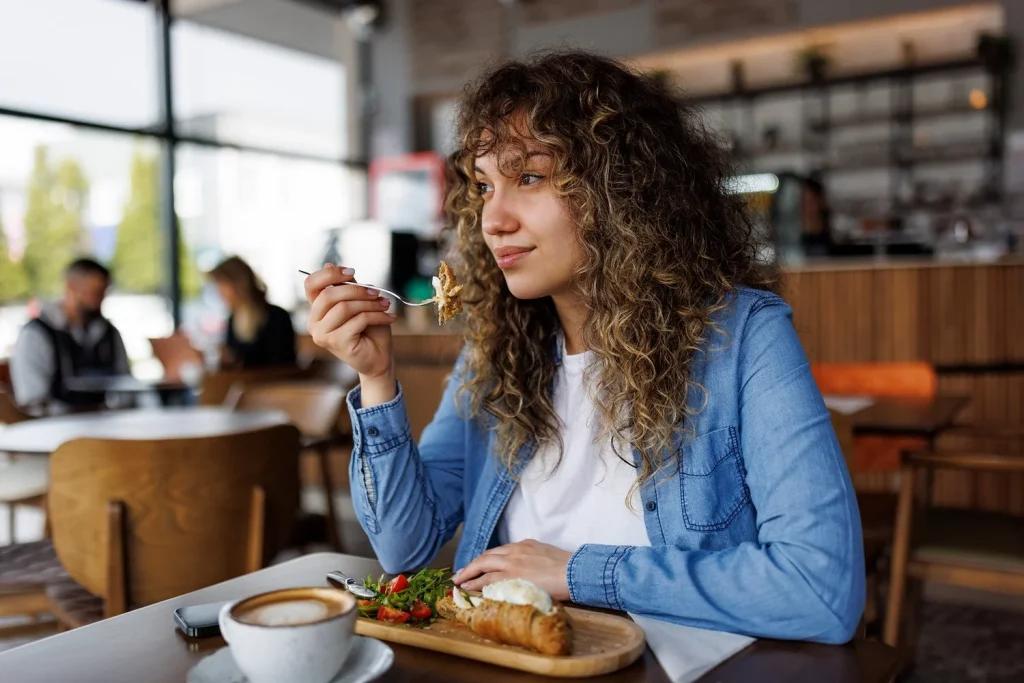
In a world that constantly encourages connection, socializing, and shared experiences, the act of eating alone might seem like an odd or even uncomfortable choice. Traditionally, meals have been viewed as social events—opportunities to gather with friends, family, or colleagues, bond over food, and enjoy the company of others. But in recent years, there’s been a noticeable shift. Eating alone is no longer seen as lonely or awkward; instead, it’s becoming a deliberate and celebrated form of self-care. Communities like HeyyyGirl are helping to normalize and promote this practice, turning solo dining into a powerful way to nurture one’s mind, body, and spirit.
Eating alone offers a rare and precious opportunity for mindfulness. When you’re not distracted by conversation or the social dynamics of a group, you have the chance to fully engage with your meal and with yourself. You can slow down, savor every bite, and tune in to the textures, flavors, and aromas of your food. This kind of focused eating encourages a deeper appreciation for nourishment, turning an everyday activity into a meditative ritual. Mindful eating is known to support digestion, improve satisfaction, and help people make more conscious food choices—all of which contribute to overall wellbeing.
Beyond mindfulness, eating alone fosters independence and self-respect. It sends a powerful message that your own company is valuable, that you don’t need external validation to enjoy life’s pleasures, and that prioritizing yourself is not selfish but necessary. In a culture that often glorifies busyness and the pressure to always be “on,” choosing to eat alone becomes a radical act of carving out space for yourself. It’s a way to reclaim control over your time, to set boundaries, and to listen deeply to your own needs without distraction.
Moreover, eating alone can drastically reduce the stress and anxiety that sometimes accompany social meals. When dining with others, people often feel the pressure to make certain food choices, eat quickly, or engage in conversation even when they’re not in the mood. There can also be an underlying fear of judgment—about what you eat, how much you eat, or even the act of eating itself. When you eat alone, these pressures dissolve. You can eat exactly what you want, at your own pace, and without feeling self-conscious. This creates a healthier, more intuitive relationship with food, one based on kindness and honesty rather than external expectations.
HeyyyGirl and similar communities champion this solo dining movement as part of a broader push toward self-awareness, intentional living, and personal boundaries. They encourage people—especially women—to embrace solitude as a source of strength rather than loneliness. Eating alone is one way to practice this philosophy, to pause amidst the chaos of life and be present with yourself. It aligns with other self-care practices that focus on emotional and mental health, such as journaling, meditation, or mindful movement.
This shift toward valuing solitude and self-nourishment also reflects a cultural reevaluation of what it means to care for oneself. Self-care used to be narrowly defined by surface-level indulgences or fleeting moments of relaxation. Today, it’s understood as a holistic practice—one that includes setting boundaries, managing energy, and honoring your emotional landscape. Eating alone fits perfectly into this new framework. It’s accessible, intentional, and deeply restorative.
Importantly, choosing to eat alone doesn’t mean isolating yourself socially. Rather, it’s about creating balance. It’s recognizing that meaningful social connections are vital, but so is honoring your individual rhythm and giving yourself permission to slow down. Solo meals can coexist with shared meals, each serving different purposes and fulfilling different needs. In fact, embracing both can lead to a healthier overall relationship with food and social life.
There’s also an empowering aspect to solo dining in terms of personal growth. Eating alone can feel vulnerable at first—especially in cultures where being alone is often stigmatized or misunderstood. But as people practice it more, they often find themselves growing more comfortable with solitude, more confident in their tastes and preferences, and more attuned to their inner world. It can be a form of self-discovery and healing, allowing space for thoughts, emotions, and creativity to surface.
In practical terms, eating alone can look different for everyone. Some might enjoy a quiet breakfast with a book or podcast. Others might prepare a nourishing dinner and savor it without screens or distractions. Some may even use solo meals as a way to experiment with cooking or new recipes, turning the experience into a joyful, creative practice. What matters most is the intention behind it—a commitment to slowing down, tuning in, and treating yourself with care.
The rise of remote work and flexible lifestyles has also made eating alone more common and accepted. Many people find themselves having lunch at their desks or in their own kitchens. Rather than viewing this as a downside, more are embracing these moments as opportunities for reset and reflection. The act of eating alone becomes a small, grounding ritual amid a busy day.
HeyyyGirl’s embrace of eating alone is part of a larger cultural narrative around reclaiming time and space for self-care in a noisy, fast-moving world. It’s a gentle reminder that sometimes the best company is your own and that taking time to nourish yourself—physically, mentally, and emotionally—is one of the most radical and loving things you can do.
In the end, eating alone isn’t about isolation or loneliness—it’s about presence, respect, and intentionality. It invites us to slow down, honor our needs, and reconnect with ourselves in a world that rarely pauses. As more people adopt this practice, solo dining is becoming not just accepted, but celebrated—a new form of self-care that nourishes far beyond the plate.