The world of sales, traditionally defined by aggressive tactics and the relentless pursuit of the “hard sell,” is being reimagined by a new generation of female leaders. They are proving that authentic, relationship-based connections are not just a softer approach, but a far more effective one for long-term success. This paradigm shift marks the future of business, moving away from transactional interactions toward a collaborative and consultative model. This transformation is particularly evident in the B2B sector, where complex sales cycles and high-value deals make empathy and genuine understanding the most valuable assets.
Female leaders are demonstrating that building trust and rapport is the key to unlocking customer loyalty. Rather than focusing solely on closing a deal, they prioritize understanding a client’s specific challenges and needs. This consultative mindset positions them as a trusted partner and problem-solver, not just a vendor. By asking insightful questions and actively listening, they can co-create solutions that truly benefit the client’s business. This approach not only leads to higher conversion rates but also fosters long-lasting relationships that result in repeat business and strong referrals.
Recent studies show a significant trend. Women in B2B sales often meet their quotas more often than men. Their success doesn’t come from aggression. Instead, they focus on what modern buyers want: a trusted advisor, not just a product pusher. By prioritizing long-term relationships, these women build customer loyalty. This leads to repeat business and a stronger market presence.
Digital communication and the decline of the in-person pitch have amplified these strengths. Virtual meetings require different skills. They demand listening, understanding needs, and creatively shaping solutions. Companies recognize this. They are now creating more inclusive environments, offering mentorship and flexible work arrangements. These efforts support women and help close the gender gap in sales leadership. The message is simple: Empower women to lead with their natural strengths, and you improve the bottom line.
Blog Article 2: The Modern Crafter: Trending Hobbies for Self-Care
Crafting is now more than a hobby; it’s a powerful tool for wellness and creative expression. In a fast-paced world, many women are using hands-on projects to de-stress, connect with a community, and create beautiful, meaningful items. The latest crafting trends blend traditional techniques with modern styles. This makes them more accessible and appealing than ever.
What’s trending now?
- Upcycling and Sustainable Crafting: People are giving new life to old items. They transform vintage tablecloths into blouses or repair clothes with “visible mending,” which turns flaws into a unique design.
- DIY Home Decor: People get creative with their homes. They use a tufting gun to create textured rugs, make handmade pottery, or craft resin coasters. A huge market exists for these personalized home goods.
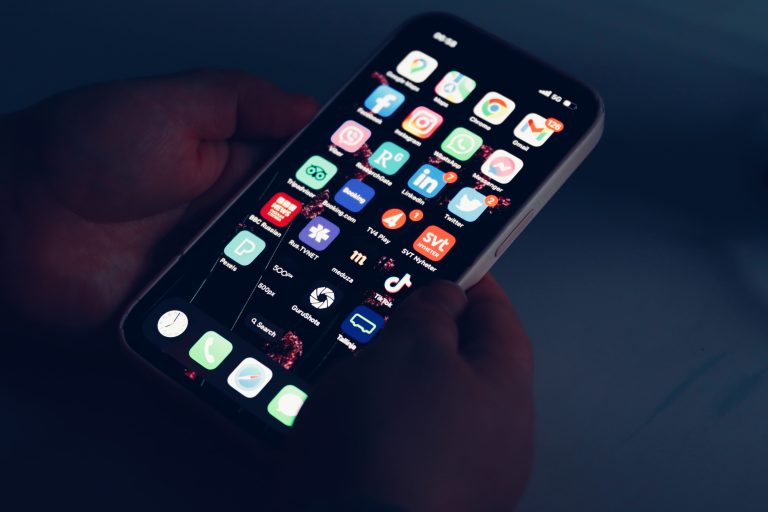
- “Gateway” Crafts: Social media platforms like TikTok have made beginner-friendly crafts a huge hit. Candle making and macrame projects are booming. Kits often make it easy for anyone to start.
The rise of crafting is more than just a hobby; it’s a movement fueled by a growing desire for personalization and sustainability. In a world of mass-produced goods, crafters are actively choosing to create unique items that reflect their personal style and values. This allows them to avoid the limitations of what’s available in stores, resulting in truly one-of-a-kind pieces that are cherished for their individuality and the story behind their creation.
At the same time, this movement is a powerful stand against waste. Crafters are inherently mindful of their materials, often repurposing old items, using scraps, or consciously sourcing sustainable materials. This eco-conscious approach minimizes a person’s environmental footprint and promotes a more circular economy. Whether you’re knitting a sweater from recycled yarn or turning old jars into decorative vases, every act of crafting contributes to a larger goal of mindful consumption.
Blog Article 3: Beauty’s New Blueprint: Clean, Personalized, and K-Beauty Trends
The beauty industry is changing. It is moving away from a one-size-fits-all approach. The new focus is on clean ingredients, personalization, and innovative routines. Consumers are more informed and demanding. This pushes brands to prioritize transparency, health, and ethical practices. This shift is not just about a product’s function. It’s also about its ingredients and values.
Key trends shaping the market:
- The Power of Clean Beauty: Demand for natural, organic ingredients keeps growing. Consumers actively look for products without harmful chemicals. Brands respond with “clean beauty” lines. Major retailers are creating special sections for these products to simplify shopping.
- Hyper-Personalization: Technology is making beauty more personal. AI-powered skin analysis and augmented reality (AR) try-ons help consumers find the perfect products for their unique skin. Some brands even create custom products based on at-home skin tests.
- The K-Beauty Influence: “Glass skin” and the detailed routines of Korean skincare dominate social media. K-pop idols and a focus on hydration and gentle ingredients have driven this trend. K-Beauty is now a cultural movement that is changing how a global audience views skincare.
The modern beauty industry is undergoing a profound transformation, moving beyond a one-size-fits-all approach to embrace personalization and purpose. This shift is driven by a new generation of conscious consumers who are not only seeking effective products but also aligning their purchasing decisions with their values. They are demanding transparency about ingredients, sourcing, and ethical labor practices, pushing brands to prioritize sustainability and social responsibility. This new blueprint for beauty is a win-win, benefiting consumers with healthier, more effective options while also fostering a more sustainable and mindful industry.
Customization is at the heart of this evolution. Instead of mass-produced formulas, consumers can now find products tailored to their specific skin type, concerns, and even lifestyle. Innovations in technology, from AI-powered skin analysis to direct-to-consumer services that create bespoke formulations, are making personalized beauty more accessible than ever. This approach not only delivers superior results but also reduces waste by ensuring consumers are buying exactly what they need.