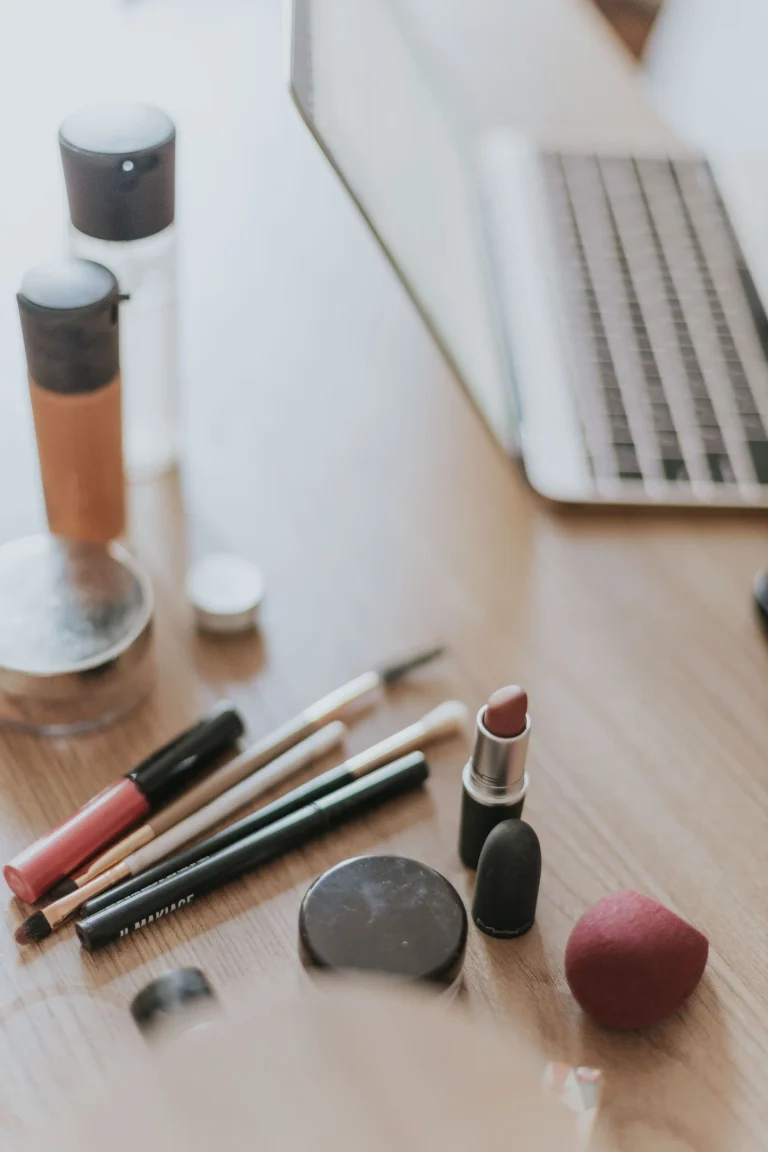
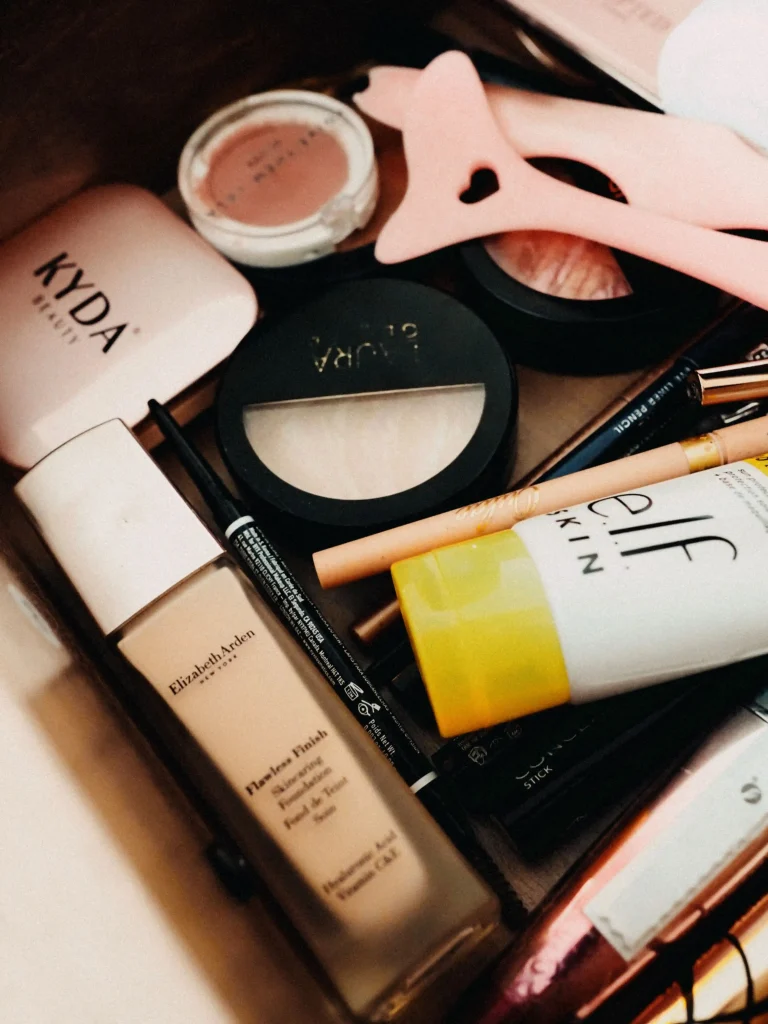
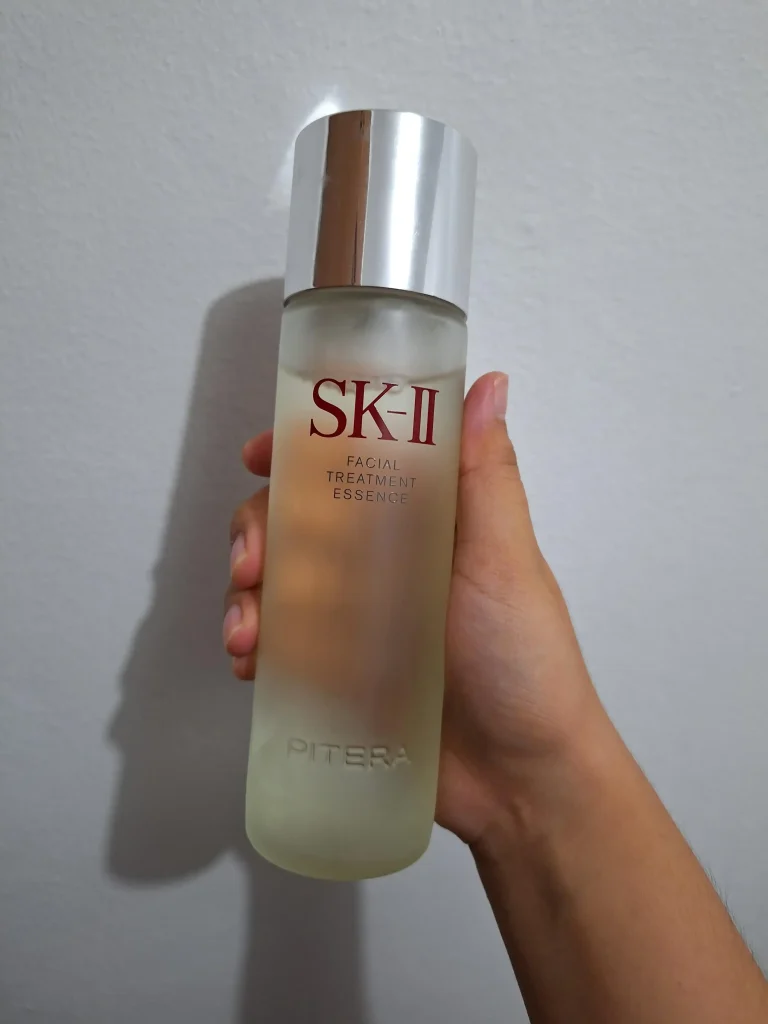
For decades, the beauty industry sold a dream packaged in plastic and formulated in secrecy. The goal was simple: a flawless face. But today, a new generation of consumers is demanding more. They are asking powerful questions that go beyond “will this hide my blemishes?” and into “where did this come from?”, “what’s in it?”, and “what happens to this bottle when I’m done?” This is the conscious glow-up, and it’s fueling the meteoric rise of sustainable beauty.
In 2025, sustainable beauty is no longer a niche market for eco-warriors; it’s a mainstream movement. Consumers understand that what’s good for the planet is also good for their skin. They are trading in single-use wipes for reusable cloths, seeking out refillable moisturizers, and scrutinizing ingredient lists like detectives. This isn’t just a trend; it’s a fundamental shift in values that is reshaping the entire beauty landscape.
Decoding the Lingo: What is Sustainable Beauty, Really?
The term “sustainable beauty” is an umbrella for several interconnected philosophies. Understanding the vocabulary is the first step to becoming a conscious consumer.
- Clean Beauty: This focuses on the safety of ingredients for human health. Clean products are formulated without controversial chemicals like parabens, phthalates, sulfates, and synthetic fragrances. The emphasis is on non-toxic, skin-loving formulas.
- Cruelty-Free & Vegan: These are ethical stances. “Cruelty-free” means no part of the product, from ingredients to the final formula, was tested on animals. “Vegan” means the product contains no animal-derived ingredients or byproducts, such as honey, beeswax, or carmine.
- Eco-Friendly & Green Beauty: This looks at the environmental impact of a product’s entire lifecycle. It considers how ingredients are sourced (sustainably farmed?), how they are processed (minimal energy use?), and the biodegradability of the final product.
- Zero-Waste & Low-Waste: This tackles the packaging problem. The beauty industry is notorious for its excessive packaging. Zero-waste brands use materials that are reusable, refillable, recyclable, or compostable. The goal is to send nothing to the landfill. Think solid shampoo bars, moisturizers in glass jars with refill packets, and makeup in compostable paper tubes.
The Pillars of a Truly Sustainable Beauty Routine
Building a sustainable routine is a journey of making small, impactful changes. Here’s what to focus on.
1. Scrutinize the Ingredients What you put on your body is as important as what you put in it.
- Look For: Plant-based oils (jojoba, rosehip), natural butters (shea, cocoa), botanical extracts, and minerals. Brands committed to transparency will explain where and how they source these ingredients.
- Avoid: The “suspicious six”—parabens, phthalates, sulfates (SLS and SLES), synthetic fragrances, silicones, and mineral oil. These are often used as cheap fillers or preservatives and can be irritating to the skin and harmful to the environment.
2. Rethink the Packaging This is one of the most visible aspects of sustainable beauty.
- Embrace Solids: Water is a precious resource, and liquid products require heavy plastic bottles. Solid bars for shampoo, conditioner, and body wash eliminate the need for plastic packaging and are fantastic for travel.
- Prioritize Refillable Options: This is the future. Brands are increasingly offering their hero products—like serums and moisturizers—in durable “forever” containers with cheaper, low-impact refill pouches or pods.
- Choose Smarter Materials: When you must buy packaged goods, opt for glass, aluminum, or post-consumer recycled (PCR) plastic, as these are more readily recyclable than virgin plastic.
3. Champion Ethical Brands Your money is your vote. Support companies that align with your values.
- Look for Certifications: While not foolproof, certifications like Leaping Bunny (cruelty-free), B Corp (verifying high standards of social and environmental performance), and Ecocert (organic certification) are good indicators of a brand’s commitment.
- Research Brand Values: Does the company use fair-trade ingredients? Do they support community initiatives? Do they pay their workers a living wage? A truly sustainable brand considers people and the planet, not just profit.
Top Sustainable Beauty Trends Dominating 2025
The innovation in this space is exciting. Here are the trends to watch.
- Waterless Beauty: As mentioned with solid bars, this trend is expanding. From powder-to-foam cleansers to concentrated serums, waterless formulations are more potent, have a longer shelf life, and have a significantly smaller environmental footprint.
- Upcycled Ingredients: To combat food waste, brands are now creating high-performance skincare from byproducts of the food industry. Think coffee grounds turned into a brightening eye cream or fruit seeds pressed into nourishing facial oils.
- Biotech and Lab-Grown Ingredients: To avoid over-harvesting rare plants or using animal-derived ingredients like squalane (traditionally from shark liver), scientists are now bio-engineering safe, effective, and sustainable alternatives in labs. This is clean beauty meets cutting-edge science.
DIY Beauty: The Ultimate Sustainable Practice
For the truly dedicated, a simple and effective routine can often be found in your own kitchen.
- Simple Sugar Scrub: Mix 1/2 cup of brown sugar with 1/4 cup of coconut or olive oil for a luxurious body scrub.
- Soothing Face Mask: Mix 2 tablespoons of plain yogurt (contains lactic acid for gentle exfoliation) with 1 tablespoon of honey (a natural antibacterial and humectant).
- Makeup Remover: Pure jojoba or sweet almond oil on a reusable cotton round will melt away even waterproof mascara.
Conclusion: Beauty That Feels as Good as it Looks
The shift toward sustainable beauty is a powerful reflection of a more mindful, informed consumer. It’s the understanding that true beauty is holistic—it encompasses personal well-being, community ethics, and planetary health. Building a sustainable routine is not about achieving perfection overnight. It’s about making one better choice at a time: choosing the refill over the new bottle, the solid bar over the plastic one, the transparent brand over the secretive one. This is the new glow-up—a radiant, healthy complexion supported by choices that are kind to your skin, to animals, and to the earth we all share.